Which Gulf leaders did Iran just put on their kill list? The answer will shock you
Source Entity
Latest News: Today's Latest News Headlines from India & World | Hindustan Times | Hindustan Times
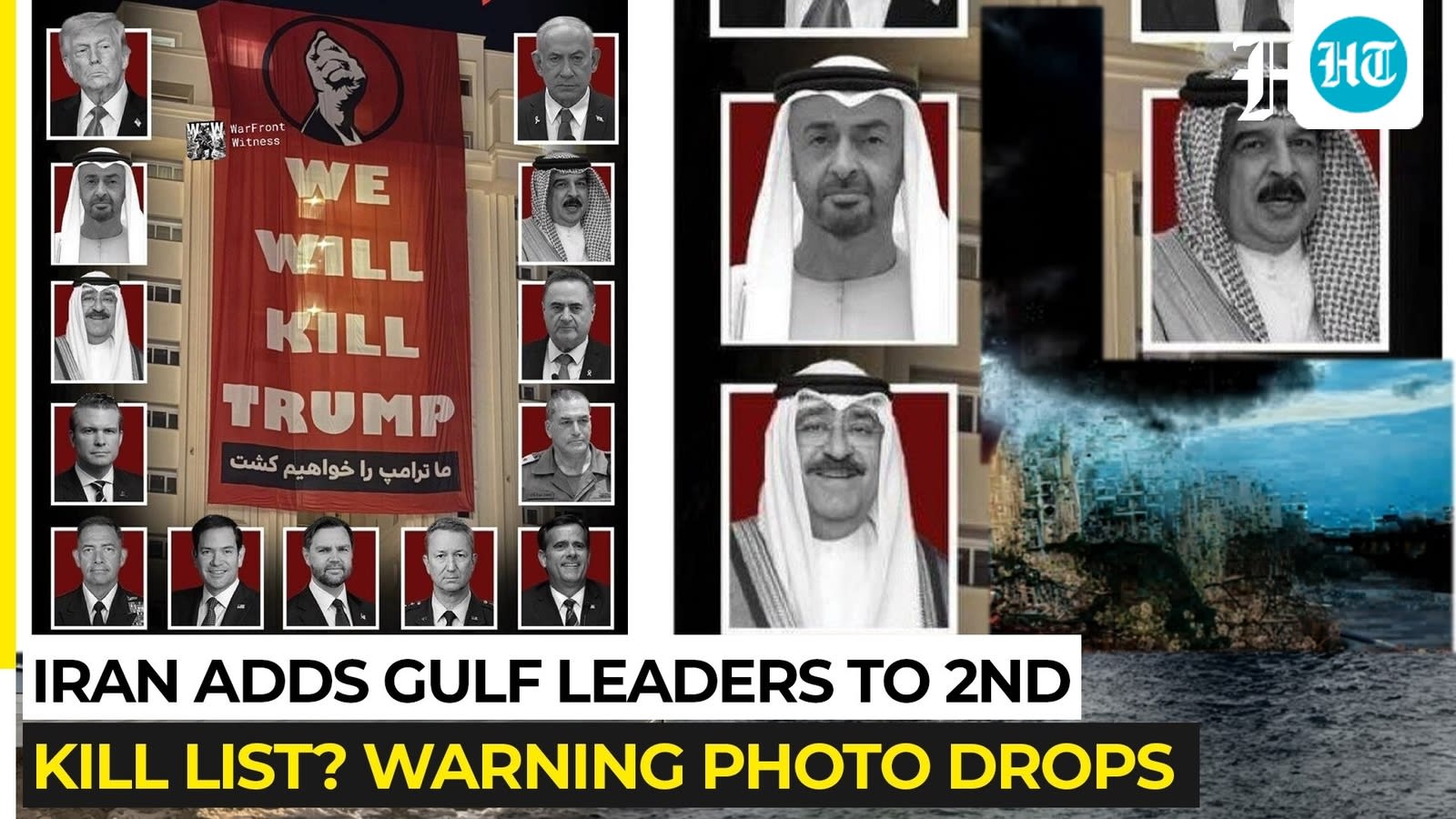
A new front page published by Iran's Hamshahri newspaper has triggered fresh regional attention after featuring Gulf, U.S. and Israeli leaders under the headline "Revenge Is Inevitable." The collage includes the leaders of the UAE, Bahrain and Kuwait alongside senior American officials such as Marco Rubio, JD Vance and CENTCOM Commander General Brad Cooper. The publication comes amid heightened tensions following recent regional conflict and has fueled debate over its political messaging and symbolism. What message is Tehran trying to send, and how could it affect the Middle East?
Analysis of Iran's Provocative Media Campaign
The recent publication of a front page by Iran's Hamshahri newspaper has sent ripples through the diplomatic corridors of the Middle East. By featuring a collage of leaders from the UAE, Bahrain, and Kuwait, alongside prominent American figures, the publication has transcended simple reporting, moving into the realm of psychological warfare. The stark headline, "Revenge Is Inevitable," serves as a provocative signal of Iran's current state of mind, reflecting a period of extreme volatility in the region where symbolic gestures often precede or mirror actual geopolitical shifts. This act of public targeting suggests a strategic attempt to project power and resolve during a time of intense regional instability.
The Strategic Targeting of Gulf Monarchies
The specific inclusion of Gulf leaders from the UAE, Bahrain, and Kuwait is particularly telling. These nations have increasingly sought closer security ties with the West and, in some cases, have normalized or explored relations with Israel, which Tehran views as a direct threat to its regional hegemony and the "Axis of Resistance." By grouping these leaders with US officials, Hamshahri is effectively framing the Gulf monarchies not as independent sovereign states, but as extensions of American foreign policy. This narrative aims to undermine the perceived autonomy of these Gulf states while simultaneously warning them of the costs associated with their strategic alignments with Washington.
Signaling to the United States Political Landscape
The mention of Marco Rubio and JD Vance, alongside CENTCOM Commander General Brad Cooper, indicates a keen awareness within Tehran of the shifting political landscape in the United States. Rubio and Vance are known for their hardline stances toward the Iranian regime, advocating for maximum pressure and strict sanctions. By specifically targeting these figures, the Iranian state-aligned media is signaling that it is monitoring the internal political dynamics of the US and preparing for a potential return to a more aggressive American posture. The inclusion of General Cooper adds a military dimension to the threat, suggesting that the "revenge" mentioned is not merely political but potentially kinetic in nature.
The Role of Semi-Official Media in Iranian Diplomacy
Historically, Iran has used state-affiliated media outlets to signal intentions or express grievances that official diplomatic channels cannot. This "semi-official" method of communication allows the regime to maintain a degree of plausible deniability while still delivering a clear message of deterrence to its adversaries. The Hamshahri publication follows a long tradition of utilizing provocative imagery—from posters to editorials—to mobilize domestic support and intimidate regional rivals. In the current climate of heightened tensions, such imagery acts as a catalyst, potentially narrowing the window for diplomatic resolution and increasing the risk of miscalculation between opposing forces.
Broader Regional Implications and Future Trends
The broader implications of this publication are profound, as they exacerbate the existing trust deficit between Iran and the Gulf Cooperation Council (GCC) countries. While there have been sporadic attempts at de-escalation and diplomatic rapprochement in recent years, such public threats suggest a regression toward a more confrontational stance. This could lead to an intensified arms race in the region, as Gulf states may feel compelled to further strengthen their military alliances with the US and other global powers to counter the perceived threat of "inevitable revenge." The shift from general rhetoric to the naming of specific individuals marks a dangerous escalation in the psychological theater of the Middle East.
Conclusion
In conclusion, the Hamshahri front page is more than a mere newspaper layout; it is a calculated piece of political communication designed to project strength and resolve. While it remains to be seen whether these threats will translate into direct action, the psychological impact is immediate. The Middle East remains in a state of precarious balance, and when state-aligned media begins listing specific leaders under the banner of revenge, it signals a dangerous escalation in the rhetoric of the regional "shadow war." The international community must now watch closely to see if this symbolic aggression is a precursor to a more tangible shift in Iranian foreign policy.
Verification Required?