Iran claims attack on LPG tanker, says vessels trying to cross Strait of Hormuz will be ‘punished’
Source Entity
Latest News: Todays Latest News Headlines from India & World | Hindustan Times | Hindustan Times
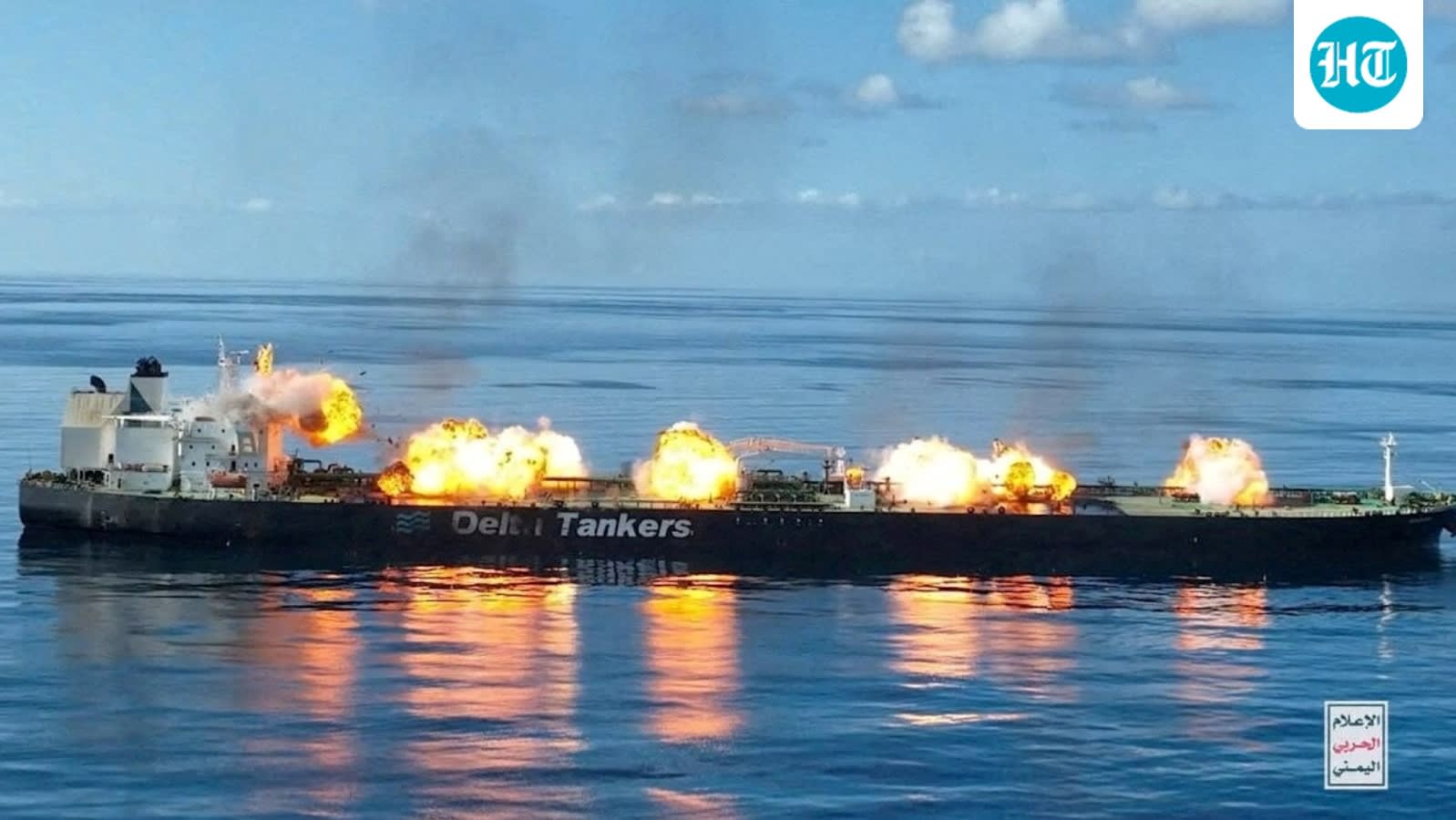
The IRGC Navy has claimed responsibility for attacking an LPG tanker, the NV Sunshine, alleging it was taking an illegal route in the Strait of Hormuz. International maritime agencies have confirmed a projectile strike near the UAE, raising concerns over regional shipping security.
Tensions Escalate in the Strait of Hormuz
Recent reports indicate a significant escalation in maritime hostilities within the Strait of Hormuz, a critical global shipping choke point. The Islamic Revolutionary Guard Corps (IRGC) Navy has publicly confirmed its involvement in an attack on the LPG carrier NV Sunshine, asserting that the vessel was engaged in an "illegal route." This admission, voiced by Ali Mohammadi, the IRGC Navy’s political deputy, highlights a deepening commitment by Iranian forces to enforce strict maritime oversight in the region.
The IRGC’s Strategy of 'Nightly Operations'
According to statements provided to the Fars news agency, the IRGC has been conducting systematic nightly operations in the Strait of Hormuz since the onset of the current regional conflict. Mohammadi framed these actions as a defensive necessity, explicitly stating that these missions are intended to "protect the country’s interests." By institutionalizing these nightly patrols, the IRGC has shifted from sporadic monitoring to a more proactive, enforcement-oriented posture that directly challenges the current status quo of international maritime transit.
Incident Verification and Maritime Safety
The attack on the NV Sunshine resulted in a massive fire aboard the vessel, an event corroborated by reports from the United Kingdom Maritime Trade Operations (UKMTO). The UKMTO documented a projectile strike approximately 13 nautical miles west of Al Jazeera, United Arab Emirates. While the fire was eventually extinguished, the incident underscores the vulnerability of commercial shipping to kinetic military action in these contested waters, where even a single projectile can jeopardize the lives of crew members and the structural integrity of massive gas carriers.
Geopolitical Implications of 'Punishment'
The rhetoric employed by Iranian officials—specifically the warning that vessels attempting to cross the strait while violating Iran’s rules will be "punished"—represents a significant departure from standard maritime engagement protocols. This assertive stance suggests that the IRGC is effectively attempting to establish a unilateral regulatory framework over the Strait of Hormuz. Such actions threaten to disrupt global energy supply chains, as the strait serves as a vital artery for the transport of liquefied petroleum gas (LPG) and crude oil to international markets.
Historical Context and Future Trends
The Strait of Hormuz has long been a flashpoint for international friction, but the current integration of "nightly operations" into the IRGC’s military strategy suggests a long-term shift. Historically, maritime transit through this area has relied on the principle of freedom of navigation. However, if Iran continues to prioritize its self-defined security interests over international norms, shipping companies may be forced to seek expensive alternatives or risk significant insurance hikes, potentially leading to long-term volatility in global energy prices.
Conclusion
The targeted strike on the NV Sunshine is a clear signal that the rules of engagement in the Persian Gulf are being rewritten by the IRGC. By linking the attack to the broader context of the ongoing war and characterizing it as a protective measure, Iran has signaled its intent to maintain a high-pressure environment for vessels traversing the strait. Moving forward, the international community faces the difficult challenge of balancing the protection of global trade routes with the reality of regional military assertions.
Verification Required?