‘Saving himself with US blood’: Iran tears into Netanyahu, calls him ‘wanted war criminal’
Source Entity
Latest News: Todays Latest News Headlines from India & World | Hindustan Times | Hindustan Times
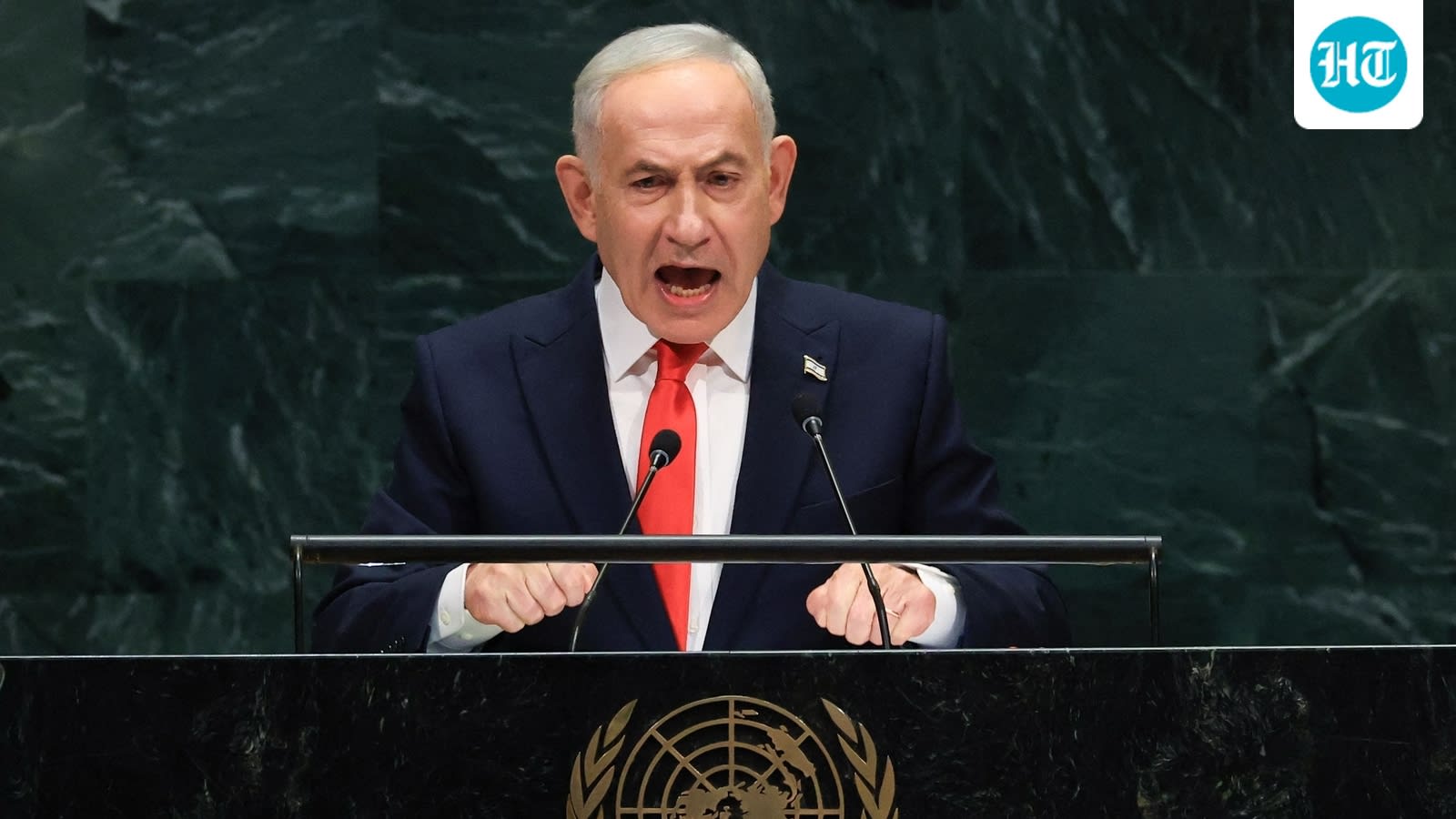
Iranian Foreign Minister Seyed Abbas Araghchi has condemned Israeli Prime Minister Benjamin Netanyahu as a 'wanted war criminal' following the ICC's issuance of arrest warrants. The statement highlights escalating tensions, with Iran accusing Netanyahu of exploiting U.S. resources to avoid accountability for conflicts in Gaza and Lebanon.
The Escalating Rhetorical War: Iran Targets Netanyahu
The recent declaration by Iranian Foreign Minister Seyed Abbas Araghchi, labeling Israeli Prime Minister Benjamin Netanyahu a "wanted war criminal," marks a significant intensification in the diplomatic hostilities between Tehran and Tel Aviv. This characterization, delivered via social media, directly references the recent decision by the International Criminal Court (ICC) to issue arrest warrants for Netanyahu, citing alleged war crimes and crimes against humanity in the Gaza conflict.
The ICC Mandate and Its Geopolitical Ripple Effects
The ICC’s involvement represents a watershed moment in the legal framework surrounding the ongoing conflict. By categorizing Netanyahu’s actions as potential war crimes, the court has provided a platform for regional adversaries like Iran to frame their opposition to Israel in international legal terms. Araghchi’s rhetoric serves to amplify the narrative that the Israeli leadership is operating outside the bounds of international law, thereby complicating Israel's diplomatic standing on the global stage.
The Accusation of Strategic Dependence
A core component of Araghchi’s critique is the assertion that Netanyahu is leveraging "US blood and treasure" to insulate himself from the consequences of his policies. By claiming that the Israeli Prime Minister is acting like a "degenerate gambler" to save his political career, Iran is attempting to drive a wedge between Israel and its primary Western ally. This narrative suggests that the conflict is not merely a regional struggle but a burden being unfairly placed upon the United States for the personal survival of one leader.
Expanding the Conflict: From Gaza to Lebanon
Araghchi’s criticism extends beyond the borders of Gaza, specifically noting Netanyahu’s handling of the conflict with Hezbollah in Lebanon. By linking these two fronts, Iran is positioning itself as a central observer of a broader regional destabilization. This indicates that Tehran views the actions in Lebanon as an extension of the same policy failures they attribute to the conflict in Gaza, suggesting that Israel’s military strategy is creating a multi-front crisis that risks drawing in global powers.
US Internal Friction and Regional Implications
The Iranian Foreign Minister further fueled his argument by noting that "even US Senators want out," pointing toward internal American political debates regarding the extent of support for Israel. This observation highlights the growing sensitivity within the US political establishment regarding the ongoing financial and military commitment to the conflict. By playing into these domestic American anxieties, Iran is strategically attempting to erode the bipartisan consensus that has historically protected the US-Israel relationship.
Conclusion: A Future of Continued Diplomatic Friction
As the legal and military situation remains volatile, this verbal escalation serves as a precursor to continued diplomatic isolation efforts. Iran’s framing of Netanyahu as a "wanted war criminal" is unlikely to dissipate, especially as long as the ICC warrants remain active. Moving forward, the international community can expect a sustained campaign from Tehran to utilize these legal developments to weaken Israel's international legitimacy while simultaneously exerting pressure on the durability of the US-Israel alliance.
Verification Required?