Pakistan’s Khyber Pakhtunkhwa, ruled by ex-PM Imran Khan, placed under emergency
Source Entity
Latest News: Todays Latest News Headlines from India & World | Hindustan Times | Hindustan Times
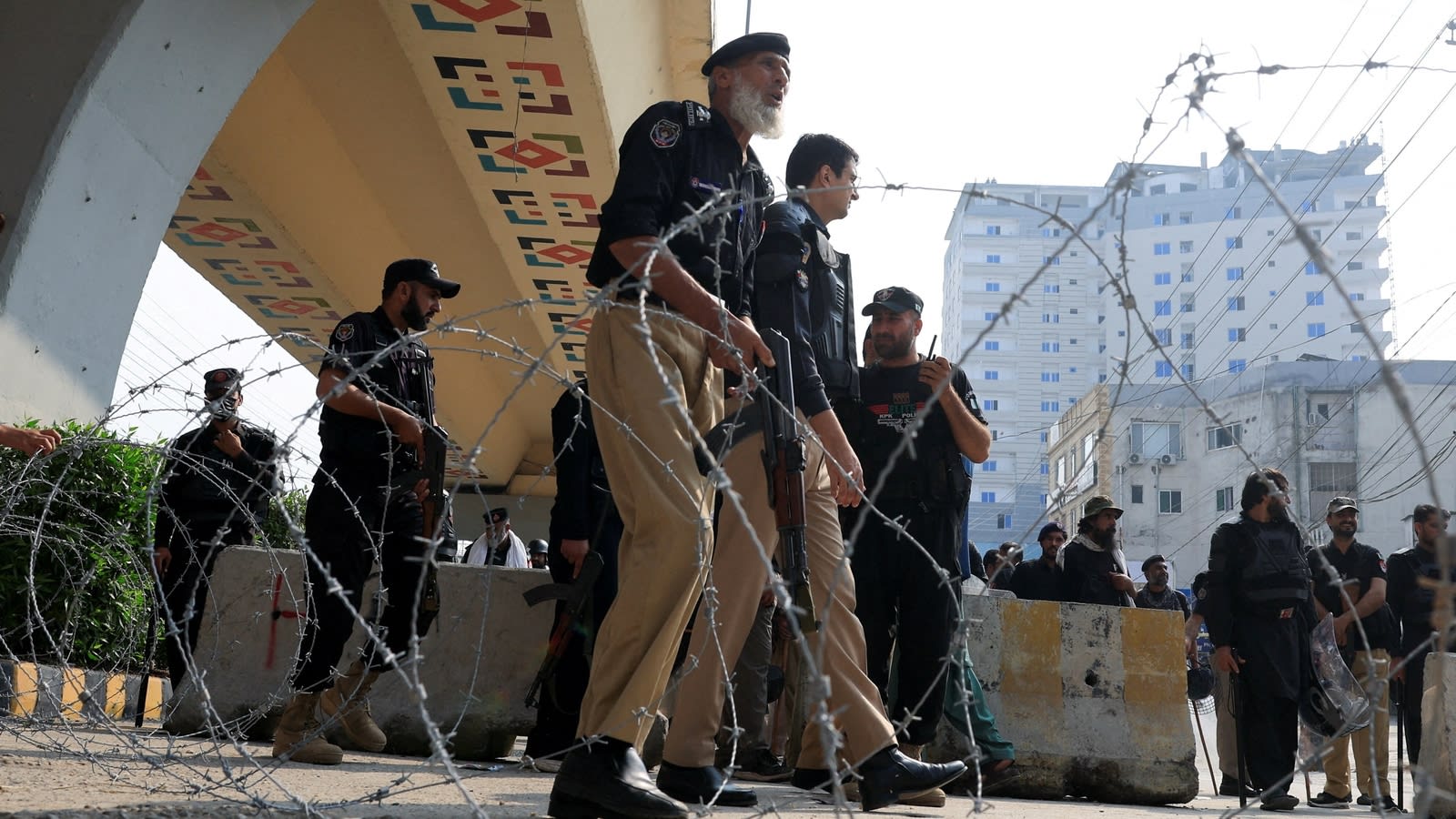
The Pakistani province of Khyber Pakhtunkhwa, a stronghold for former Prime Minister Imran Khan's party, has been placed under a state of emergency. This development signals escalating political instability and potential governance challenges within the region.
Political Instability in Khyber Pakhtunkhwa
The declaration of an emergency in Khyber Pakhtunkhwa, a province deeply associated with the political base of former Prime Minister Imran Khan, represents a significant escalation in Pakistan's ongoing political volatility. By invoking emergency measures, the provincial administration faces a critical juncture that could redefine the region's relationship with federal authorities and the broader national security apparatus.
The Context of Provincial Governance
Khyber Pakhtunkhwa has long served as the political heartland for the Pakistan Tehreek-e-Insaf (PTI), the party led by Imran Khan. The imposition of an emergency in this specific geography suggests that the friction between the provincial leadership and federal stakeholders has reached a breaking point. Historically, such measures in Pakistan are reserved for moments of acute crisis, indicating that the current situation involves severe challenges to law and order, administrative continuity, or political stability.
Implications for Federal-Provincial Relations
This development carries heavy implications for the federal structure of Pakistan. When a province governed by an opposition party is placed under emergency, it often triggers a constitutional debate regarding the reach of federal power and the autonomy of provincial governments. The state of emergency effectively grants the authorities extraordinary powers, which can lead to the suspension of standard administrative processes and the potential curtailment of political activities, further polarizing the national landscape.
Historical Precedents and Stability
Pakistan’s history is punctuated by periods of emergency rule, often used to navigate turbulent transitions or suppress civil unrest. The current situation in Khyber Pakhtunkhwa echoes past instances where internal political strife necessitated a shift toward centralized control. The challenge now lies in how this emergency will be implemented and whether it will serve to restore order or deepen the existing divide between the provincial government and federal institutions.
Future Trends and Outlook
Looking ahead, the situation in Khyber Pakhtunkhwa will likely remain a focal point for international observers and domestic political analysts. If the emergency persists, it could lead to increased scrutiny from international human rights monitors and further complicate the already fragile economic and security environment of the region. The trajectory of this event will depend heavily on the ability of local leaders to de-escalate tensions and the federal government's willingness to engage in political dialogue rather than rely on administrative force.
Conclusion
In summary, the emergency declaration in Khyber Pakhtunkhwa is a defining moment in the current political climate of Pakistan. It highlights the deep-seated friction inherent in the nation's political system and underscores the volatility surrounding the legacy and influence of former Prime Minister Imran Khan. The coming days will be crucial in determining whether this measure stabilizes the region or serves as a catalyst for further political upheaval.
Verification Required?