What Iran hid while America burned through missiles? The 20% surge no one expected after US war
Source Entity
Latest News: Todays Latest News Headlines from India & World | Hindustan Times | Hindustan Times
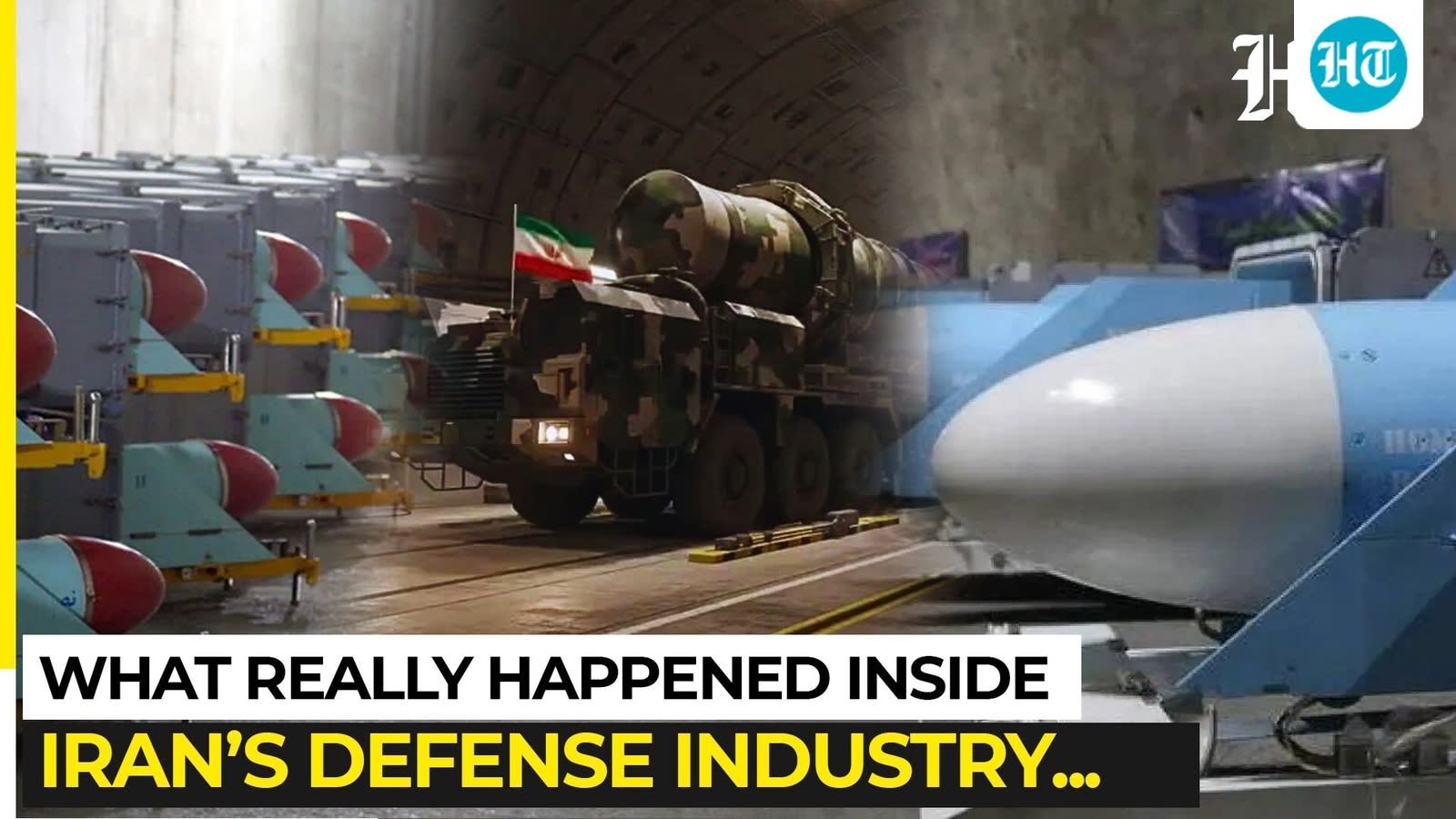
Iran reports a significant surge in domestic defense production despite recent military strikes by U.S. and Israeli forces. Concurrently, Tehran's top leadership held a secretive meeting, fueling speculation about the country's strategic military and political trajectory.
The Resilience of Iran's Defense Infrastructure
Recent reports from Tehran indicate a paradoxical outcome following intense military engagement: despite U.S. and Israeli strikes targeting the Iranian defense industry during a recent 12-day conflict, the nation claims its weapons and defense-equipment production has doubled over the past year. This assertion suggests that the targeted facilities, while damaged, were not sufficient to halt the broader momentum of Iran's military manufacturing capabilities. The ability to maintain operational output while under kinetic pressure highlights the decentralized nature of Iran’s military-industrial complex.
The Mechanics of Expansion: A Decentralized Network
Central to this growth is a sprawling, resilient architecture comprising more than 9,000 private and knowledge-based firms. By integrating domestic technology companies into its defense supply chain, Tehran has effectively mitigated the impact of traditional interdiction efforts. This network supports the development of over 1,000 types of weapons and defense systems, allowing for rapid iteration and deployment. Furthermore, Iran emphasizes that these domestically produced arms are significantly more cost-effective than foreign-made alternatives, providing a strategic advantage in a long-term war of attrition.
Geopolitical Implications of Military Growth
The claim that Iran's defense machine is not only intact but expanding raises critical questions regarding the efficacy of external strikes. If production capacity has indeed surged by 20%—or doubled in specific sectors—it suggests that the strategic objective of crippling Iran's war machine through limited strikes may have fallen short. This development forces a reassessment of how regional powers and Western allies approach the containment of Iranian military capabilities, especially as Tehran pivots toward self-sufficiency.
The Mystery of the High-Level Huddle
Mirroring these military developments is a rare, high-stakes gathering of Iran’s three primary power centers. President Masoud Pezeshkian recently hosted Parliament Speaker Mohammad Bagher Ghalibaf and judiciary chief Gholam-Hossein Mohseni-Ejei in a closed-door meeting in Tehran. While state media confirmed the occurrence of the summit, the agenda remains entirely obscured. The intersection of this political secrecy with the reported surge in defense manufacturing suggests that the leadership is coordinating a unified response to the current geopolitical climate.
Strategic Uncertainty and Future Trends
This high-level coordination is likely aimed at consolidating domestic policy in the face of ongoing external threats. With the state apparatus aligning its military-industrial goals with its political leadership, observers are left speculating about the future trajectory of Iranian strategy. Whether this meeting marks a shift toward further military escalation or a defensive consolidation, it is clear that Tehran is prioritizing the preservation of its defense sovereignty. The coming months will likely reveal whether this secrecy serves to mask a change in military doctrine or a deeper entrenchment of the current war-production model.
Verification Required?