‘20% is too much, we’ll be fair’: Iran mocks Trump over Hormuz cargo fees
Source Entity
The Indian Express
The Express Global Desk at indianexpress.com which delivers authoritative, verified, and context-driven coverage of key international developments shaping global politics, policy, and migration trends...
Geopolitical Sarcasm: Iran's Response to Trump on the Strait of Hormuz
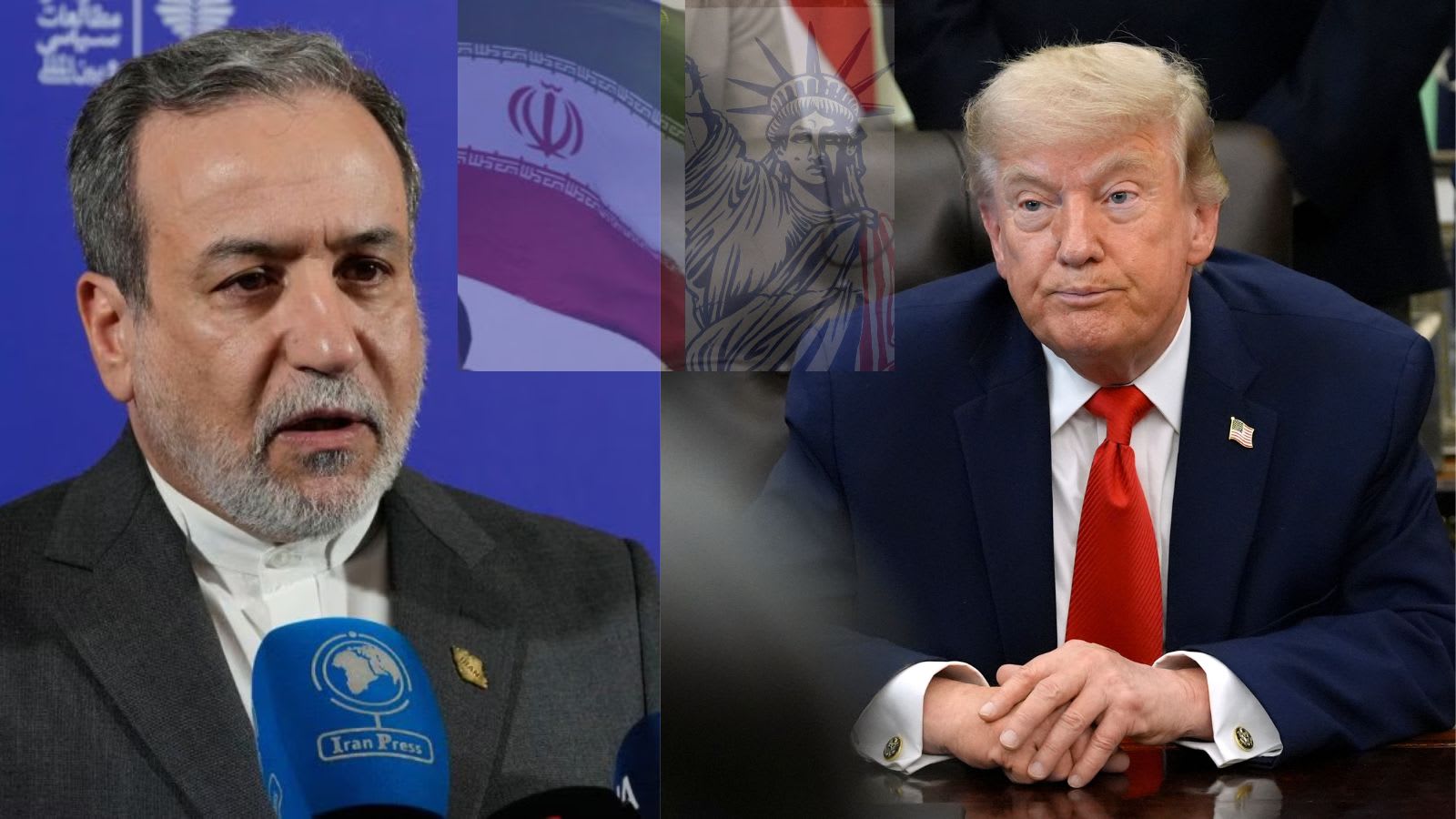
In a striking display of diplomatic defiance and psychological warfare, Iran has responded with mockery to comments made by Donald Trump regarding the imposition of cargo fees in the Strait of Hormuz. By stating that "20% is too much" and promising to be "fair," Tehran is utilizing sarcasm to undermine the perceived authority and economic logic of the former U.S. President. This exchange is not merely a war of words but a reflection of the deep-seated hostility and the strategic chess match played between the United States and the Islamic Republic over one of the world's most critical maritime chokepoints.
The Strategic Leverage of the Strait of Hormuz
To understand the weight of this exchange, one must recognize the immense strategic importance of the Strait of Hormuz. This narrow waterway connects the Persian Gulf with the Gulf of Oman and the Arabian Sea, serving as the primary artery for the global export of oil and liquefied natural gas (LNG). A significant portion of the world's daily petroleum consumption passes through this corridor. For Iran, the ability to influence or disrupt traffic in the Strait is its most potent asymmetric lever against Western economic sanctions. By mocking Trump's mention of 'fees,' Iran is subtly reminding the international community that it possesses the physical and geographical capability to impact global energy prices at will.
The Rhetoric of 'Fairness' vs. Maximum Pressure
Iran's use of the word "fair" is particularly pointed. It serves as a counter-narrative to the "Maximum Pressure" campaign championed by the Trump administration, which sought to cripple the Iranian economy through stringent sanctions to force a new nuclear deal. By framing their potential approach to cargo fees as "fair," Iran attempts to cast itself as a reasonable actor in contrast to what it perceives as the predatory and unilateral economic policies of the United States. This rhetorical flip is designed to appeal to other regional players and global powers who are wary of U.S. hegemony over international shipping lanes.
Economic Implications and Market Volatility
While the current exchange is primarily rhetorical, the mere mention of "cargo fees" or disruptions in the Strait of Hormuz triggers immediate anxiety in global energy markets. Shipping insurance premiums typically spike when tensions rise in the region, as the risk of vessel seizure or kinetic conflict increases. The suggestion that fees could be implemented—regardless of whether they are 20% or a "fairer" amount—introduces a layer of unpredictability into the cost of transporting oil. This volatility can lead to fluctuations in Brent crude prices, affecting inflation and economic stability far beyond the borders of the Middle East.
Historical Context of Maritime Confrontations
This incident is part of a long history of maritime skirmishes and threats in the Persian Gulf. From the 'Tanker War' of the 1980s to more recent seizures of foreign tankers, the Strait of Hormuz has frequently been used as a theater for geopolitical signaling. Trump's tendency to use bold, often provocative economic suggestions is met with Iran's tradition of defiant public statements. This cycle of provocation and response has become a normalized, albeit dangerous, pattern of communication between the two adversaries, where public mockery often replaces formal diplomatic channels.
Future Trends and Potential Escalation
Looking forward, this exchange suggests that the tension between the U.S. and Iran will remain highly volatile, particularly as domestic U.S. politics fluctuate. Should the rhetoric shift from "fees" to actual maritime restrictions, the risk of a direct military encounter increases. However, it is more likely that Iran will continue to use this brand of sarcastic diplomacy to maintain its image of strength and autonomy. The world will continue to watch the Strait of Hormuz not just as a transit point for oil, but as a barometer for the overall health of U.S.-Iran relations and the stability of the global energy supply chain.
Summary
Iran's mockery of Donald Trump's proposed 20% cargo fees is a calculated move to assert sovereignty over the Strait of Hormuz and challenge U.S. economic dominance. By blending sarcasm with strategic threats, Tehran highlights its role as a gatekeeper of global energy, ensuring that any attempt by the U.S. to project power in the region is met with a mixture of defiance and geopolitical leverage.