'Fear of our military': Iran mocks Trump over aircraft switch during Turkey trip
Source Entity
Latest News: Todays Latest News Headlines from India & World | Hindustan Times | Hindustan Times
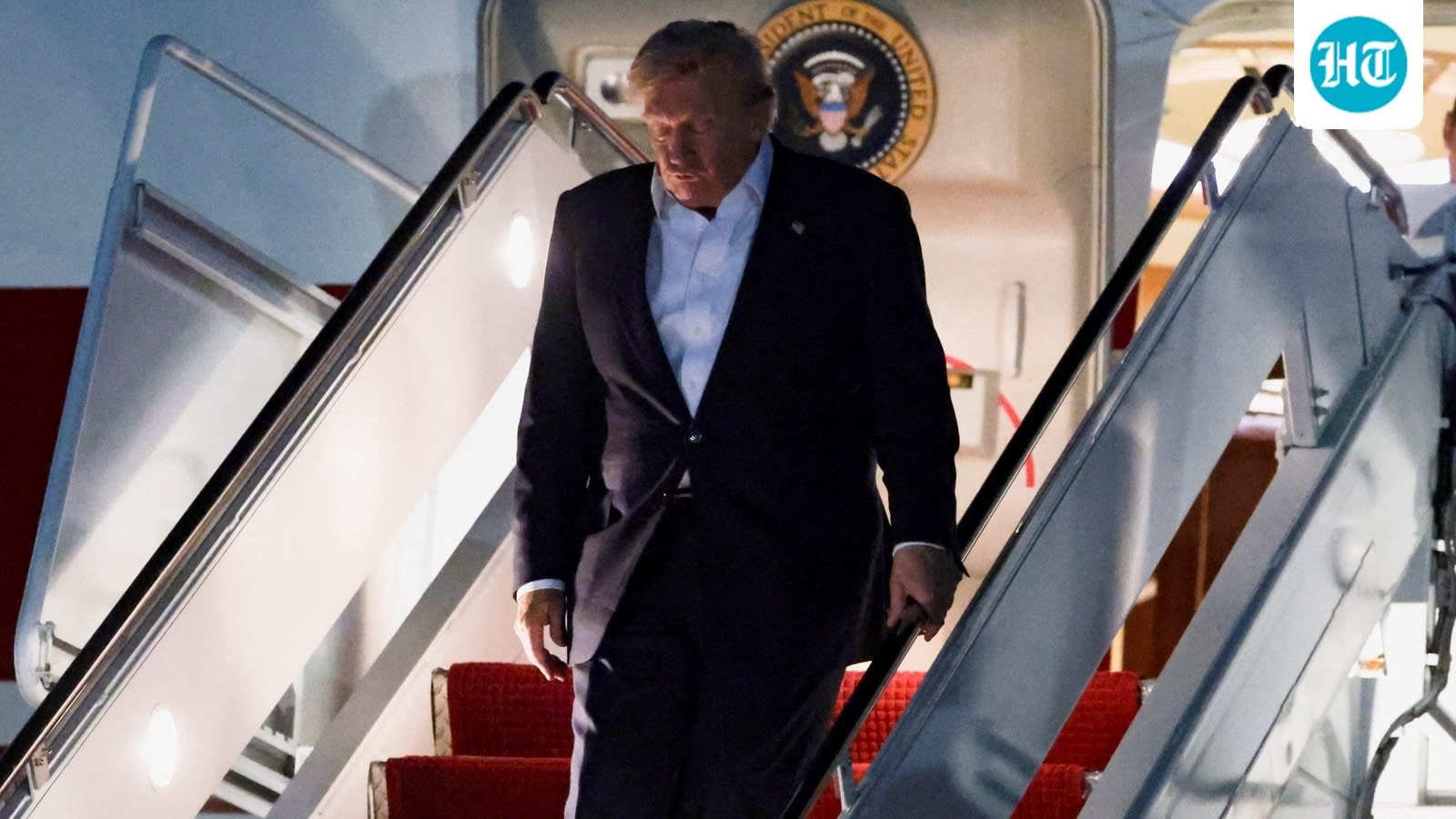
Iranian state media is mocking former President Trump over reports that he secretly switched aircraft via a catering truck while departing Turkey. The maneuver was allegedly executed to mitigate a credible security threat from Iranian military capabilities.
The Geopolitical Optics of a Secret Security Maneuver
Recent reports concerning former President Donald Trump’s departure from a NATO meeting in Turkey have sparked a significant diplomatic war of words. According to widespread media accounts, including reports from the Washington Post, the president was allegedly moved from Air Force One to a different aircraft via a catering truck. This complex security operation was reportedly necessitated by a credible threat involving the potential use of shoulder-fired missiles, heightening concerns over presidential safety during international travel.
Iran’s Narrative of "Humiliation"
Iranian state media has seized upon these reports, framing the clandestine aircraft switch not as a standard security precaution, but as a direct admission of fear regarding Iran’s military prowess. By characterizing the event as a “scandal” and a source of “humiliation,” Tehran is actively attempting to project an image of strength to its domestic audience and the international community. The Iranian embassy in South Africa further amplified this sentiment by posting mocking imagery on social media, suggesting that the United States is vulnerable to the reach of Iran's military capabilities.
The Security Logic Behind the Switch
From a logistical standpoint, the use of a catering truck to facilitate a secret transfer is a stark departure from the standard public protocols associated with Air Force One. The Secret Service frequently employs tactical shifts to obscure the movements of high-profile officials when credible intelligence suggests a specific threat. In this instance, the transition from the primary presidential aircraft to a smaller government plane—and subsequently to a Qatari-gifted jet—highlights the extreme measures taken to ensure continuity of leadership in an era of asymmetric threats.
Strategic Implications and Posturing
This incident underscores the volatile nature of US-Iran relations, where even operational security maneuvers are weaponized for propaganda. By focusing on the "catering truck" narrative, Iranian officials are attempting to undermine the aura of invincibility surrounding the American presidency. It is a calculated move to portray US leadership as being in a state of retreat or panic, rather than acknowledging the routine, albeit intense, risk-mitigation strategies that govern modern presidential travel.
Broader Context of Presidential Security
Historically, the protection of a U.S. President during foreign travel involves layers of intelligence sharing and tactical deception. While the specific details of this event have become a target for mockery, they also shed light on the reality of modern security environments where shoulder-fired missiles and other portable weapons pose a persistent threat to aviation. The reaction from Iranian media serves as a reminder that in the digital age, security logistics are no longer just operational matters; they are front-line elements of information warfare.
Conclusion
Ultimately, the mocking response from Iranian state outlets reflects the ongoing psychological operations that define the current geopolitical tension between Washington and Tehran. While the Secret Service’s actions were intended to prioritize the safety of the president, the subsequent public narrative has been successfully leveraged by Iranian actors to portray the United States as reactive and fearful. This event serves as a case study in how tactical security decisions can be reframed into symbolic victories in the theater of international relations.
Multiple Citing Sources
Verification Required?