Iran's Muslim unity call after Saudi‑Turkey‑Pakistan Mecca pact; Tehran to join 'Islamic NATO' next?
Source Entity
Latest News: Todays Latest News Headlines from India & World | Hindustan Times | Hindustan Times
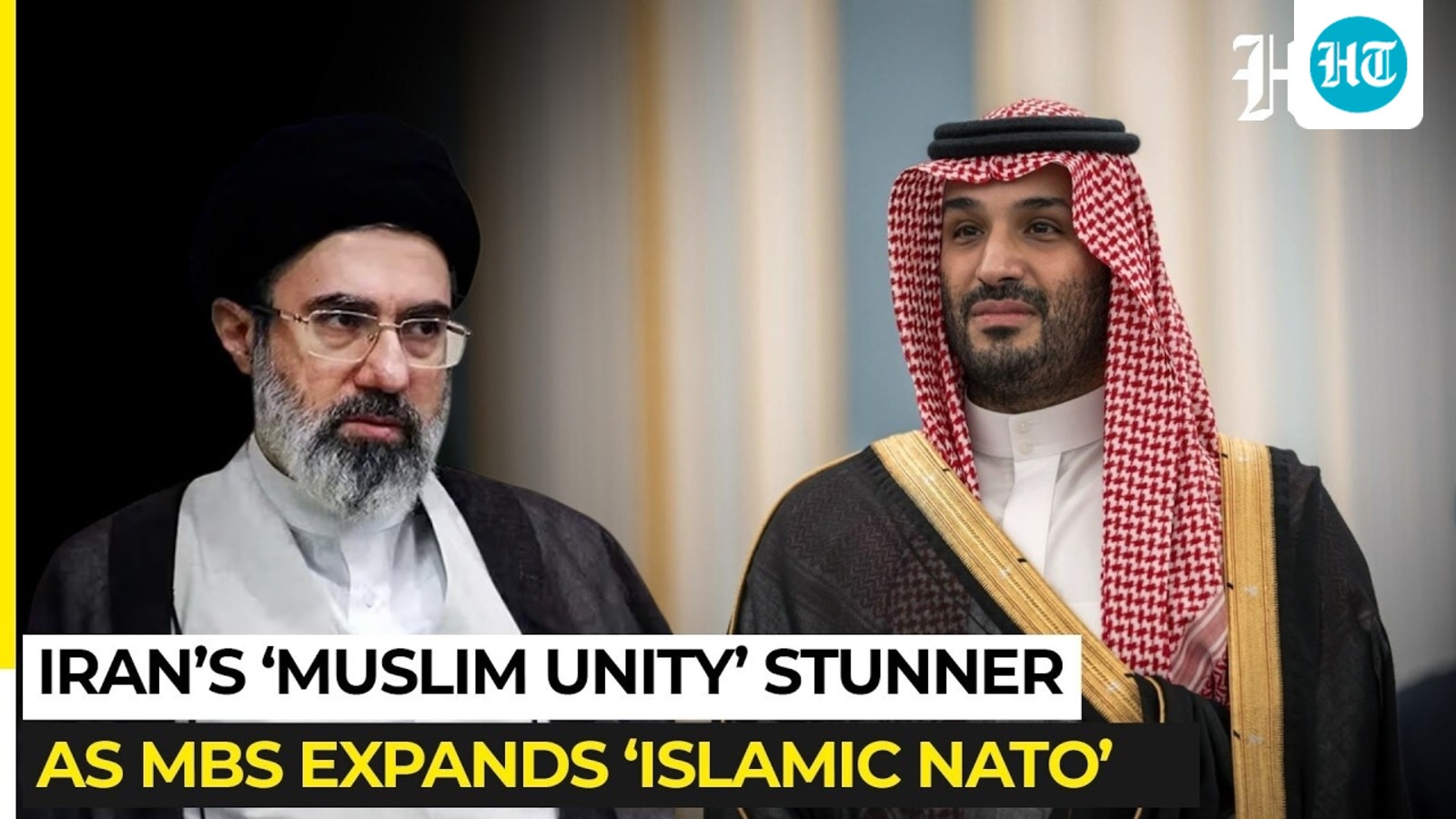
Iran is advocating for increased Muslim unity following the formation of a security pact between Saudi Arabia, Turkey, and Pakistan. This shift sparks speculation regarding Tehran's potential integration into this emerging regional defense framework despite historical geopolitical friction.
The Shifting Geopolitics of the Middle East
Recent developments in Middle Eastern diplomacy have introduced a significant pivot point in regional security architecture. The emergence of a security partnership involving Saudi Arabia, Turkey, and Pakistan—often colloquially dubbed an 'Islamic NATO'—has fundamentally altered the strategic calculus of the region. This coalition represents a major effort to consolidate defense interests among key Sunni-majority powers, signaling a move toward collective security mechanisms that have historically been fragmented.
Iran's Strategic Pivot Toward Unity
In response to this new alignment, Iran has issued a formal call for greater Muslim unity. This rhetoric, while seemingly paradoxical given Tehran's long-standing geopolitical rivalry with Saudi Arabia, suggests a calculated attempt to avoid strategic isolation. By framing its position through the lens of pan-Islamic solidarity, Tehran is signaling a willingness to engage in dialogue that could mitigate the risks posed by a consolidated security bloc operating on its periphery.
The Mecca Agreement and Regional Implications
At the heart of these developments is the Mecca agreement, a document that has catalyzed intense speculation regarding future regional defense frameworks. The pact serves as a foundational element for a more integrated military and security cooperation strategy among its signatories. For Iran, the existence of this pact necessitates a re-evaluation of its foreign policy, as the nation weighs the benefits of potential cooperation against the constraints of its existing political and ideological differences with the participating states.
Navigating Deep Political Divides
Despite the overtures for unity, the path toward any formal Iranian inclusion in such a framework is fraught with complexity. Deep-seated political differences, sectarian dynamics, and divergent foreign policy goals—particularly regarding regional influence—continue to create friction. Any potential cooperation would require a monumental shift in diplomatic posture from both Tehran and the members of the Mecca-based coalition, moving beyond historical grievances toward a pragmatic, interest-based security arrangement.
Future Trends in Collective Defense
Looking ahead, the evolution of this security partnership will likely be defined by the tension between regional competition and the necessity of shared defense against external threats. If Iran successfully maneuvers toward closer ties with this emerging framework, it could lead to a significant de-escalation of regional tensions. Conversely, if the exclusion of Tehran persists, the Middle East may see a hardening of alliances, potentially leading to a more polarized security environment characterized by competing power blocs rather than unified cooperation.
Verification Required?