Maharashtra woman’s bid to poison husband, bury him alive foiled
Source Entity
The Indian Express
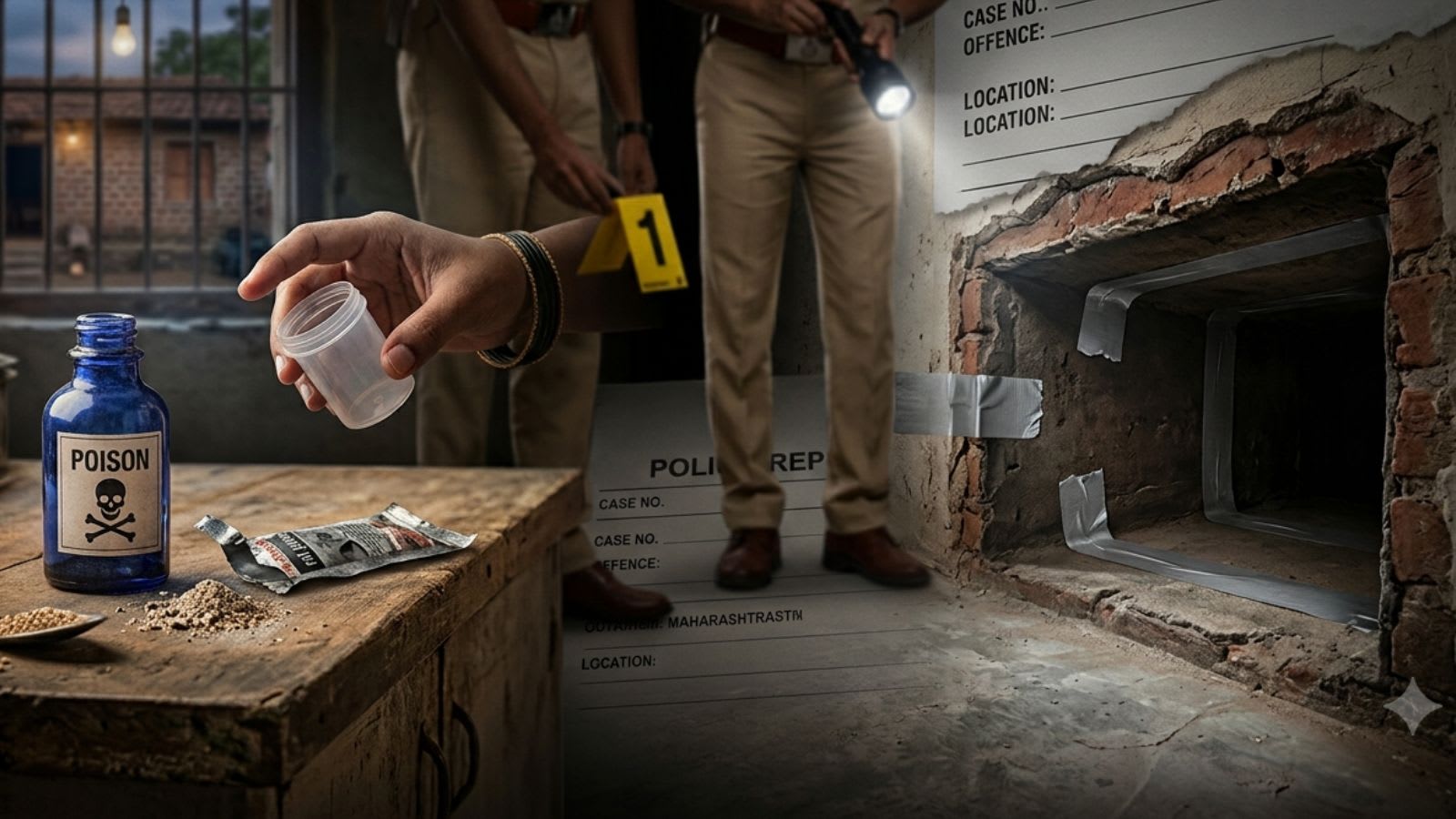
A 38-year-old woman in Baramati, Maharashtra, has been arrested for allegedly attempting to poison her husband and bury him alive in their home. The incident was brought to light after her father-in-law filed a formal complaint with the local police.
The Baramati Incident: A Deep Dive into a Domestic Tragedy
In a shocking case of domestic violence that has gripped the community of Baramati, Maharashtra, a 38-year-old woman, identified as Sharmila Pravin Jagtap, has been arrested for an alleged attempt on her husband’s life. The incident, which took place at their residence in the Indraprastha Society, involved a calculated attempt to poison her husband, Pravin Jagtap, followed by a harrowing plan to conceal his body within a makeshift duct at their home.
Legal Proceedings and Initial Reluctance
Following the discovery of the plot, the legal wheels were set in motion by the victim's family. A First Information Report (FIR) was registered at the Baramati police station on Wednesday, invoking charges under the Bharatiya Nyaya Sanhita related to the attempt to murder. Interestingly, the family was initially hesitant to approach law enforcement, a common trend in domestic disputes where family reputation often takes precedence over immediate legal intervention, highlighting the complex social dynamics at play in such cases.
The Mechanics of the Alleged Crime
According to Assistant Police Inspector Shashikant Ingawale, the investigation into the incident suggests a high degree of premeditation. The assault occurred on the night between July 30 and August 1. The use of a homemade duct as a site for concealment suggests that the perpetrator had prepared the environment specifically for this purpose, raising questions about the duration and depth of the planning involved in this attempted homicide.
The Role of Investigative Authorities
Under the leadership of the investigating officer, the Baramati police have moved quickly to secure evidence and process the scene. The shift from the family's initial reluctance to a formal legal complaint marks a turning point in the case, ensuring that the allegations of attempted murder are addressed through the formal justice system rather than being handled internally. This adherence to legal protocol is essential for ensuring accountability in cases of extreme domestic violence.
Broader Implications for Domestic Safety
This case serves as a grim reminder of the volatility that can exist within private spaces. While domestic disputes are often handled away from the public eye, the severity of this incident—involving both poisoning and the attempted burial of a living individual—underscores a critical need for awareness regarding signs of domestic distress. The transition of the legal framework to the Bharatiya Nyaya Sanhita also reflects the evolving nature of criminal justice in India, aiming to provide more robust mechanisms for prosecuting such heinous acts.
Conclusion and Future Outlook
As the investigation continues, the focus will likely remain on the forensic evidence gathered from the residence and the testimony of those involved. The case of the Jagtap family is not merely a local news item but a reflective point for society to consider the hidden dangers within households. Moving forward, the court's handling of these charges under the Bharatiya Nyaya Sanhita will be a significant indicator of how such severe domestic crimes are addressed under the updated legal statutes.