US Iran war live: Iran, Oman discuss resuming talks, Strait of Hormuz navigation
Source Entity
The Indian Express
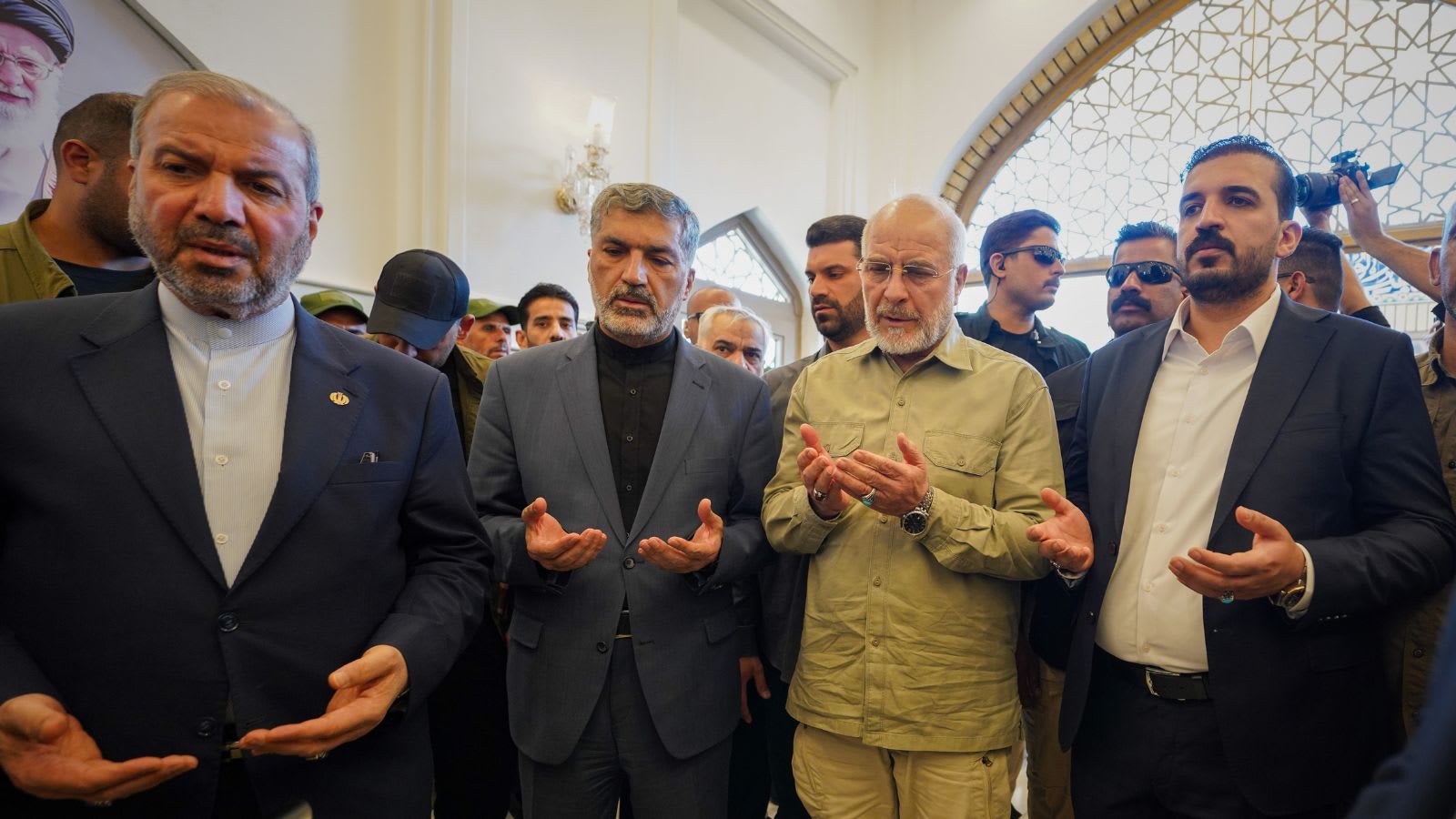
Iran is engaging in diplomatic efforts with Oman to address maritime security in the Strait of Hormuz while simultaneously rejecting new US economic sanctions. Despite rising tensions and the legacy of the 2020 drone strikes, international actors like China are advocating for dialogue over escalation.
Tensions Rise: Diplomacy and Sanctions in the Strait of Hormuz
Recent developments highlight a complex geopolitical landscape as Iran faces renewed US economic pressure. Iranian Parliament Speaker Mohammad Bagher Qalibaf’s visit to the grave of Abu Mahdi al-Muhandis in Iraq serves as a potent symbolic reminder of the historical friction between Tehran and Washington, specifically referencing the 2020 drone strike that also claimed the life of Qassem Soleimani. This event continues to color the diplomatic discourse, framing the current standoff within a long-standing narrative of regional resistance and power projection.
The Failure of Economic Coercion
Iranian Foreign Minister Abbas Araghchi has publicly dismissed the efficacy of new US economic measures, labeling them as a form of "economic terrorism" that undermines global sovereignty. By asserting that previous sanctions have historically failed to alter Iran’s strategic trajectory, the Iranian leadership is signaling a policy of resilience. This stance suggests that Tehran remains committed to its current course, viewing international economic pressure not as a deterrent, but as an external threat to be countered through political defiance.
Global Perspectives and Strategic Alliances
China has emerged as a significant counter-voice to the US strategy, explicitly stating its opposition to further sanctions on Iran. Beijing’s call for dialogue underscores a broader international preference for stability, particularly regarding the global supply chain. By urging both parties to prioritize communication over conflict, China positions itself as a mediator, emphasizing that the economic stability of the region is dependent on avoiding further escalation that could disrupt trade routes.
Maritime Security and the Strait of Hormuz
Central to these diplomatic maneuvers is the security of the Strait of Hormuz, a critical chokepoint for global energy markets. Iran and Oman are currently engaged in discussions aimed at stabilizing navigation through these waters. The success of these talks is vital, as any disruption to the Strait would have immediate and severe consequences for the global economy. The involvement of Oman, a frequent intermediary in regional disputes, suggests a pragmatic effort to isolate maritime security from the broader political friction between Tehran and Washington.
Looking Ahead: A Fragile Equilibrium
As the situation unfolds, the intersection of economic sanctions and maritime security remains a volatile flashpoint. The ability of regional actors to maintain open channels of communication—specifically regarding the Strait of Hormuz—will likely determine whether the current tensions lead to a localized crisis or remain a manageable diplomatic impasse. While the rhetoric between the US and Iran remains hardened, the active push for dialogue through third-party intermediaries provides a potential, albeit narrow, pathway toward de-escalation.