Iran's Pezeshkian greets PM Modi on I-Day, calls ties with India 'valuable asset'
Source Entity
TOI NEWS DESK
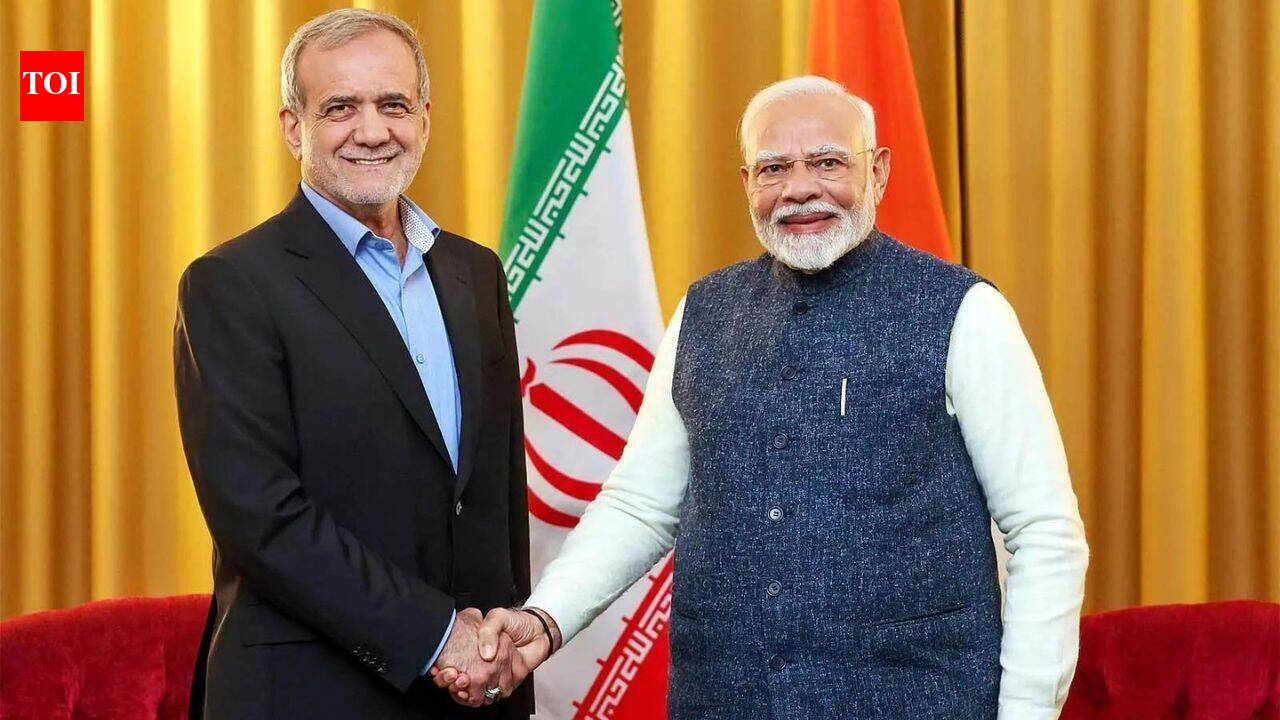
Iranian President Masoud Pezeshkian sent Independence Day greetings to India, emphasizing the value of their historical bilateral ties. Prime Minister Modi reciprocated such diplomatic acknowledgments, highlighting his commitment to strengthening global partnerships including those with Israel.
Strengthening Diplomatic Bridges: India's 80th Independence Day Celebrations
On the occasion of India's 80th Independence Day, the global diplomatic community engaged in a significant exchange of goodwill. Iranian President Masoud Pezeshkian extended formal greetings to Prime Minister Narendra Modi, characterizing the longstanding relationship between Tehran and New Delhi as a "valuable asset." This gesture underscores the persistent importance of the Indo-Iranian connection, which has historically been anchored in shared cultural heritage and strategic geopolitical interests.
The Strategic Significance of Indo-Iranian Ties
President Pezeshkian’s emphasis on a "stronger future" suggests a desire to build upon the existing framework of bilateral cooperation. Historically, India and Iran have maintained a complex but stable relationship, often centered around energy security and regional infrastructure projects like the Chabahar Port. By framing the relationship as a valuable asset, the Iranian leadership is signaling a commitment to continuity in diplomatic engagement, regardless of the broader regional tensions that often define Middle Eastern politics.
Balancing Global Relationships
Simultaneously, the diplomatic landscape was marked by Prime Minister Modi’s acknowledgment of greetings from other global leaders, notably Israeli Prime Minister Benjamin Netanyahu. Modi’s public expression of gratitude for the friendship with Israel illustrates the intricate balancing act India performs in its foreign policy. New Delhi has successfully maintained robust, independent strategic partnerships with nations that often find themselves on opposing sides of international conflicts.
Geopolitical Implications and Future Trends
These exchanges reflect a broader trend in Indian foreign policy: the pursuit of a multi-aligned strategy. By accepting and reciprocating greetings from diverse global actors, India reinforces its position as a key diplomatic mediator and a stable partner in a volatile international environment. The focus on "longstanding ties" suggests that India’s diplomatic focus remains on leveraging historical rapport to foster economic and security stability.
Conclusion: A Foundation for Continued Engagement
As India moves forward from its 80th Independence Day, these diplomatic interactions serve as a barometer for its international standing. The explicit acknowledgment of ties by both Iran and Israel highlights the strategic utility of India’s foreign policy approach. Moving forward, it is likely that India will continue to prioritize these foundational relationships, using them as a springboard for further economic integration and regional influence in the coming years.