Pakistan’s new recruits don’t cross the border. They’re Indian teens
Source Entity
Mohamed Thaver
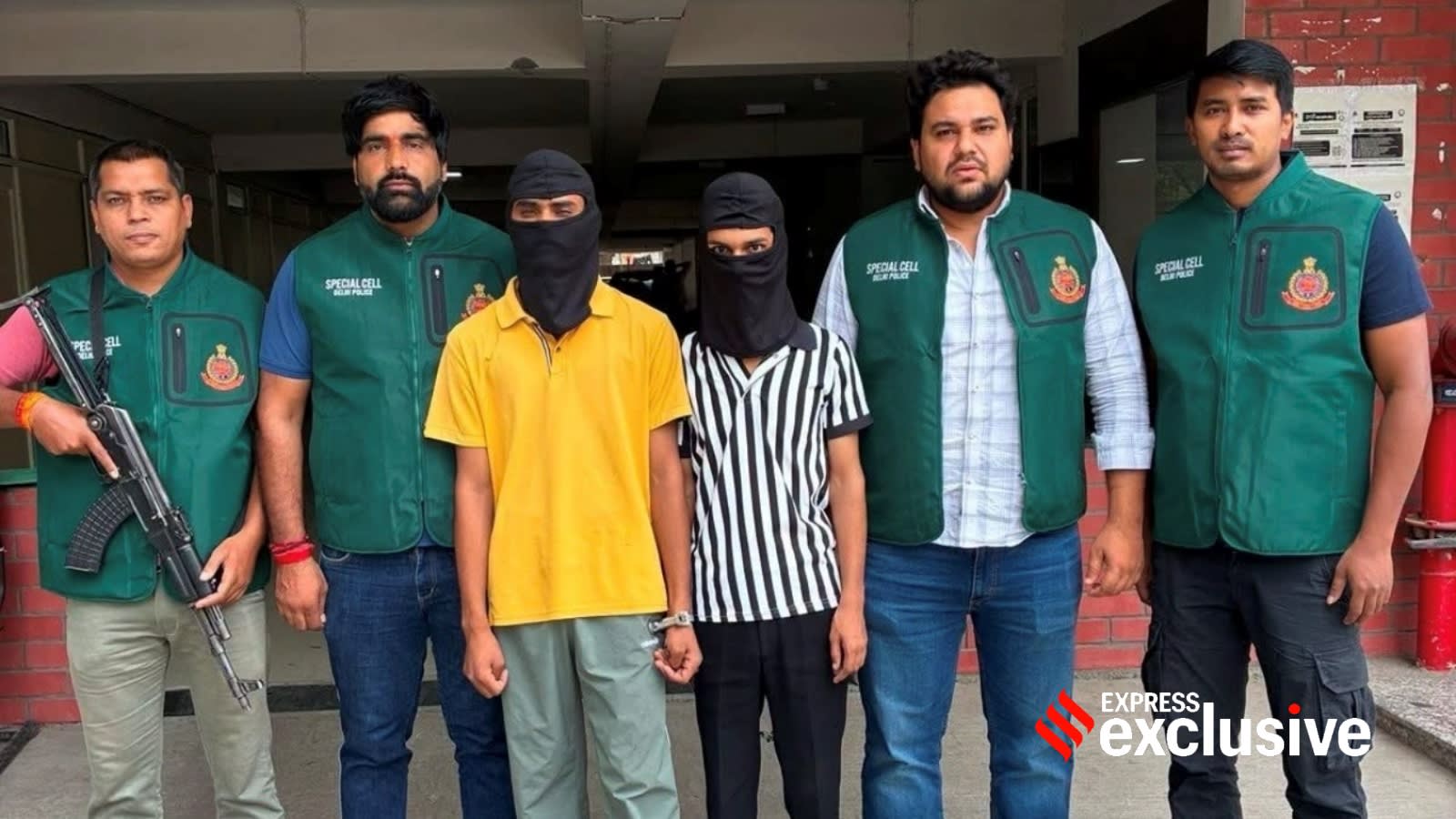
Indian security agencies have uncovered a recruitment pattern where Pakistani operatives, led by gangster Shehzad Bhatti, use social media to radicalize and recruit Indian youth as sleeper cells. This trend highlights a shift in cross-border espionage tactics, targeting vulnerable demographics within India.
The Digital Frontier of Espionage: Decoding the ISI Recruitment Model
Recent investigations by Indian law enforcement agencies have unveiled a concerning evolution in cross-border espionage. Rather than relying solely on traditional cross-border infiltration, intelligence networks linked to Pakistan’s Inter-Services Intelligence (ISI) have pivoted toward the digital exploitation of Indian youth. By utilizing social media platforms, these operatives target individuals from diverse socio-economic backgrounds, effectively turning residents into potential sleeper cells within the country's borders.
Mapping the Vulnerable Demographic
The profiles of the individuals identified—ranging from handloom workers like Ashraf Daniyal to laborers and garbage collectors—suggest a calculated strategy to exploit economic instability. The recruitment of youths such as the 19-year-old Singh brothers from Gurdaspur or the 20-year-old Krishna Mishra from Gorakhpur indicates that organizers are specifically looking for individuals who may feel disenfranchised or vulnerable to external influence. By identifying these individuals online, handlers can establish long-distance rapport before transitioning into operational control.
The Role of Criminal Proxies
Central to this operation is the alleged involvement of Pakistani gangster Shehzad Bhatti. The use of criminal networks to facilitate espionage represents a hybrid warfare tactic, blurring the lines between organized crime and state-sponsored intelligence activities. By leveraging established criminal infrastructure, the ISI can outsource the recruitment process, maintaining a layer of plausible deniability while effectively managing a network of assets across various Indian states, including Maharashtra, Uttar Pradesh, and Punjab.
Psychological Manipulation and Social Media
The ease with which handlers like Bhatti initiate contact—often beginning with seemingly benign social media interactions—underscores the dangers of the digital age. For young men like Daniyal, who was approached in early 2024, the process of radicalization or recruitment happens in a private, digital space that is often invisible to family members and community leaders until it is too late. This shift from physical recruitment to digital grooming allows handlers to cast a wide net across India without the risks associated with illegal border crossings.
Broader Implications for National Security
This trend signals a significant challenge for Indian internal security agencies. The decentralized nature of these 'sleeper cells' makes them difficult to track, as they are not traditional combatants but rather citizens living in local communities. The reliance on social media to build these networks implies that the front line of this conflict has moved into the smartphones of Indian youth. Future trends suggest that as digital connectivity increases in rural and semi-urban India, the potential for such exploitation will likely rise unless counter-radicalization and digital literacy efforts are bolstered.
Conclusion
In summary, the identification of these recruits represents a critical wake-up call regarding the sophistication of modern proxy warfare. By exploiting economic vulnerability and the ubiquity of social media, handlers have created a low-cost, high-impact method of destabilization. Addressing this threat requires not only stringent law enforcement and surveillance of digital spaces but also holistic socioeconomic initiatives aimed at providing stability to the demographic cohorts most susceptible to these external recruitment efforts.