Rubio Says US Will Continue To Hit Iranian Tankers As Tensions Escalate
Source Entity
NDTV News Search Records Found 1000
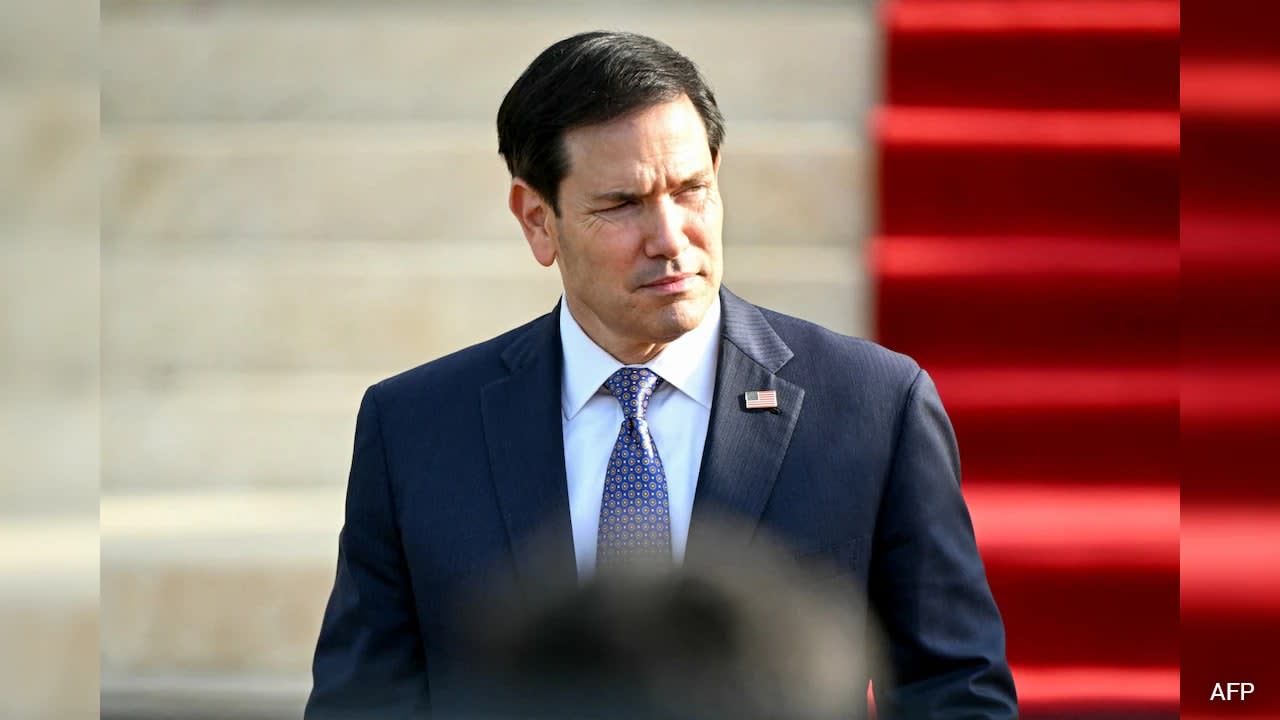
U.S. officials, including Marco Rubio, are accusing Iran of orchestrating Houthi attacks on Saudi oil facilities. The administration is monitoring the escalation while emphasizing its defense ties with Riyadh and ongoing maritime pressure on Iranian assets.
The Resurgence of Regional Proxy Warfare
The recent escalation of Houthi activity targeting Saudi Arabian energy infrastructure has reignited debates regarding the extent of Iranian influence over regional non-state actors. High-ranking U.S. officials, including Senator Marco Rubio, have explicitly identified an 'Iranian hand' behind these strikes, suggesting a calculated effort by Tehran to project power through its proxies. This narrative positions the Houthi movement not merely as an autonomous insurgent force, but as a strategic tool utilized by Iran to destabilize Saudi interests and challenge regional security architectures.
The Strategic Role of Proxy Actors
For years, the relationship between Tehran and the Houthi movement has been viewed by Washington as a central component of Iran's regional strategy. By providing technical and logistical support, Iran effectively extends its reach, allowing it to exert pressure on Saudi Arabia without engaging in direct, state-to-state conflict. The recent attacks on oil facilities are being interpreted as a manifestation of this asymmetric warfare, designed to disrupt global energy markets and test the resolve of the U.S.-Saudi defense alliance.
Washington’s Stance and Defensive Posture
In response to these provocations, the United States has publicly reaffirmed its commitment to the defense of Saudi Arabia. While Washington has confirmed that ground operations are currently underway to counter Houthi advances, it has deliberately stopped short of announcing new, direct U.S. military interventions. This measured approach suggests a preference for supporting local partners in their defensive efforts while maintaining a posture of 'close monitoring' to prevent a wider, uncontrolled regional conflagration.
Maritime Tensions and Economic Pressure
Beyond the territorial conflict, the U.S. strategy involves aggressive economic targeting. Marco Rubio’s confirmation that the U.S. will continue to target Iranian tankers underscores the shift toward using maritime interdiction as a primary lever of pressure. By disrupting the flow of Iranian oil, Washington aims to degrade Tehran's ability to fund its proxy network, thereby creating a feedback loop where maritime sanctions are used to dampen the intensity of proxy warfare on the ground.
Geopolitical Implications and Future Outlook
The persistence of these attacks signals a long-term challenge for regional stability. As the U.S. balances its defense obligations to Saudi Arabia with a desire to avoid direct combat, the risk of miscalculation remains high. Future trends suggest that if these proxy strikes continue, the U.S. may be forced to reconsider its current restraint, potentially leading to a more robust military presence or intensified sanctions regimes. The situation remains a critical focal point for global energy security and Middle Eastern diplomatic relations.
Verification Required?