C Raja Mohan: In Iran war, US midterm elections are the new front
Source Entity
C. Raja Mohan
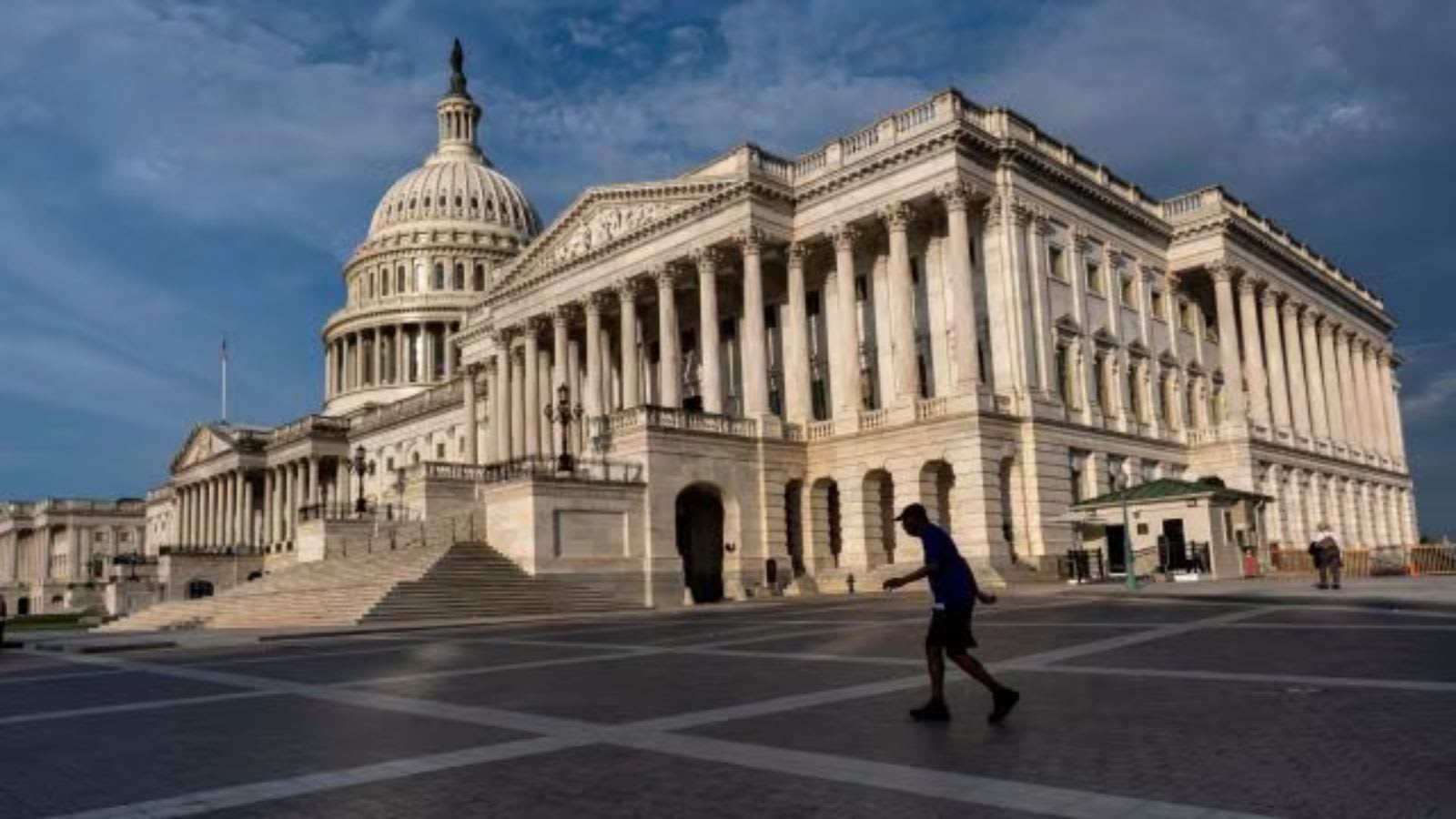
Iran's Revolutionary Guards are attempting to influence US midterm elections by appealing directly to American voters to reject Donald Trump's policies. This strategy highlights the intersection of international conflict and domestic American politics, as Tehran seeks to exploit political vulnerabilities ahead of the November vote.
The Strategic Intersection of Geopolitics and Domestic Elections
In an unprecedented move, Iran’s Revolutionary Guards have pivoted their operational focus from traditional battlefield tactics to the American domestic political arena. By issuing a 25-page letter addressed to the “honourable people” of the United States, Tehran is explicitly attempting to sway public opinion against the policies of the Trump administration. This maneuver signals a shift in modern warfare, where foreign adversaries increasingly view the destabilization of an opponent's domestic support as being equally critical to military victory.
Psychological Warfare and the American Voter
The core of this strategy relies on the premise that a divided electorate is a tactical advantage for a foreign power. By calling for “peaceful coexistence” and urging voters to reject current administration policies, the Revolutionary Guards are attempting to act as a political surrogate in the American midterm cycle. This represents a high-stakes psychological operation designed to capitalize on the existing polarization within the United States, effectively turning the American voter into a participant in the broader Iran-US conflict.
The Pressure Cooker of Midterm Politics
Timing is essential to this strategy, as the letter arrives just weeks before critical midterm elections. With the Republican party facing significant electoral vulnerabilities, the intervention by Iran adds an unpredictable layer of complexity to the campaign trail. The administration’s strategy of “maximum pressure”—characterized by intense economic sanctions and military posturing—is now being countered by Tehran’s attempt to leverage the anxiety of the American populace regarding potential conflict.
The Evolution of Asymmetric Warfare
Historically, states have engaged in propaganda to weaken an enemy’s resolve, but the digital age allows for this to occur with unprecedented speed and directness. By bypassing traditional diplomatic channels to communicate directly with the electorate, Iran is utilizing asymmetric warfare techniques to bypass the standard barriers of state-to-state conflict. This evolution suggests that future international disputes will increasingly be fought in the digital and electoral spaces of the adversary.
Broader Implications and Future Trends
As the lines between foreign policy and domestic political contests continue to blur, the United States faces a new paradigm of national security. If Tehran’s attempt to influence the midterms gains traction, it could set a precedent for other nations to intervene in American democratic processes. Moving forward, the effectiveness of such tactics will depend heavily on the resilience of the American voting public and the ability of the political establishment to insulate the midterm elections from foreign strategic interference.
Conclusion
In summary, the effort by Iran’s Revolutionary Guards to reach the American voter underscores a dangerous shift in the Iran-US standoff. By making the midterm elections a theater for their broader strategic goals, Tehran is forcing a collision between international military pressure and the internal political stability of the United States. The consequences of this strategy will likely reverberate long after the ballots are counted, defining a new era of global geopolitical maneuvering.