Kenya confirms first Ebola case and says patient has died
Source Entity
Reuters in Nairobi
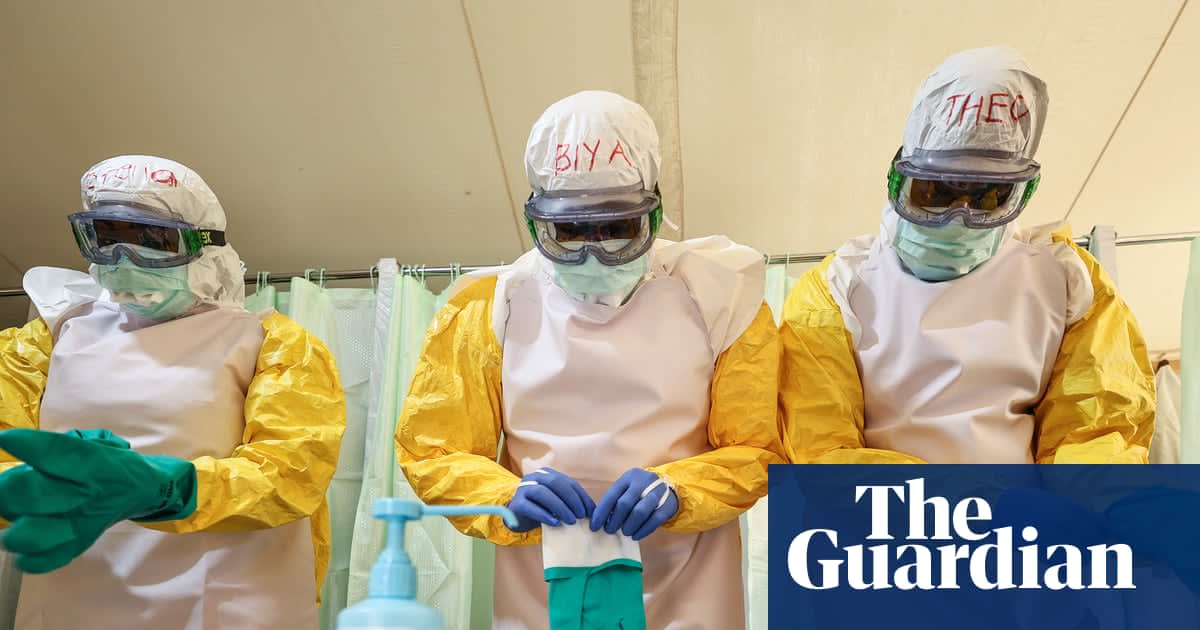
Kenya has recorded its first confirmed Ebola death involving a citizen who traveled from the Democratic Republic of the Congo. Authorities have identified 28 contacts for monitoring and have urged the public to remain calm while mitigation systems are activated.
Kenya Faces First Confirmed Ebola Fatality
Kenya has officially confirmed its first recorded case of Ebola, involving a Kenyan citizen who had been residing in the Democratic Republic of the Congo (DRC) for seven years. The individual, who had reportedly been ill for approximately one month, traveled by road from the DRC to Kampala, Uganda, before flying to Nairobi. Tragically, the patient succumbed to the virus shortly after arrival, marking a significant development in the regional health crisis.
Regional Context and the DRC Epidemic
This incident is intrinsically linked to the ongoing Ebola epidemic in the eastern regions of the DRC, which currently stands as the second-largest outbreak on record, having surpassed 8,000 cases. The virus involved is identified as the rare Bundibugyo species. Kenya now joins a small list of nations—including Uganda and France—that have recorded cases directly associated with this specific epidemic, highlighting the immense challenge of managing trans-border disease transmission in East Africa.
Immediate Public Health Response
In response to the confirmed fatality, Health Minister Aden Duale has initiated rigorous contact tracing protocols. As of the latest reports, 28 individuals, including family members and healthcare workers who interacted with the deceased, have been identified for monitoring. Minister Duale has publicly urged the Kenyan populace to avoid panic, emphasizing that the government has activated established systems designed to mitigate the potential spread of the virus.
Historical Tensions and Infrastructure
The arrival of the virus in Nairobi brings to light previous domestic tensions regarding epidemic preparedness. Earlier this year, the Kenyan government faced significant public backlash regarding plans to establish an Ebola treatment facility at the Laikipia Air Base. The public reaction was notably hostile, reflecting broader anxieties about the risks of housing specialized facilities for highly infectious diseases within proximity to civilian centers.
Future Implications and Containment
As Kenya navigates its first encounter with the virus, the focus remains on the efficacy of its containment strategy. The successful management of similar outbreaks in neighboring Uganda, which was declared Ebola-free in August after managing 20 cases, provides a potential blueprint for Kenya. The ability of the Ministry of Health to effectively quarantine the identified 28 contacts will be the primary indicator of whether this incident remains an isolated event or escalates into a larger national health crisis.
Conclusion
The confirmation of an Ebola death in Kenya serves as a stark reminder of the interconnected nature of regional health security. While the government maintains that all necessary protocols are in place to prevent further transmission, the situation requires vigilant monitoring. The international community will be watching closely to see how Kenya’s public health infrastructure handles the containment of the Bundibugyo strain, given the high mobility of travelers between the DRC, Uganda, and Nairobi.