Araghchi blames US, Europe for wars, Lavrov slams energy policy
Source Entity
Latest News: Todays Latest News Headlines from India & World | Hindustan Times | Hindustan Times
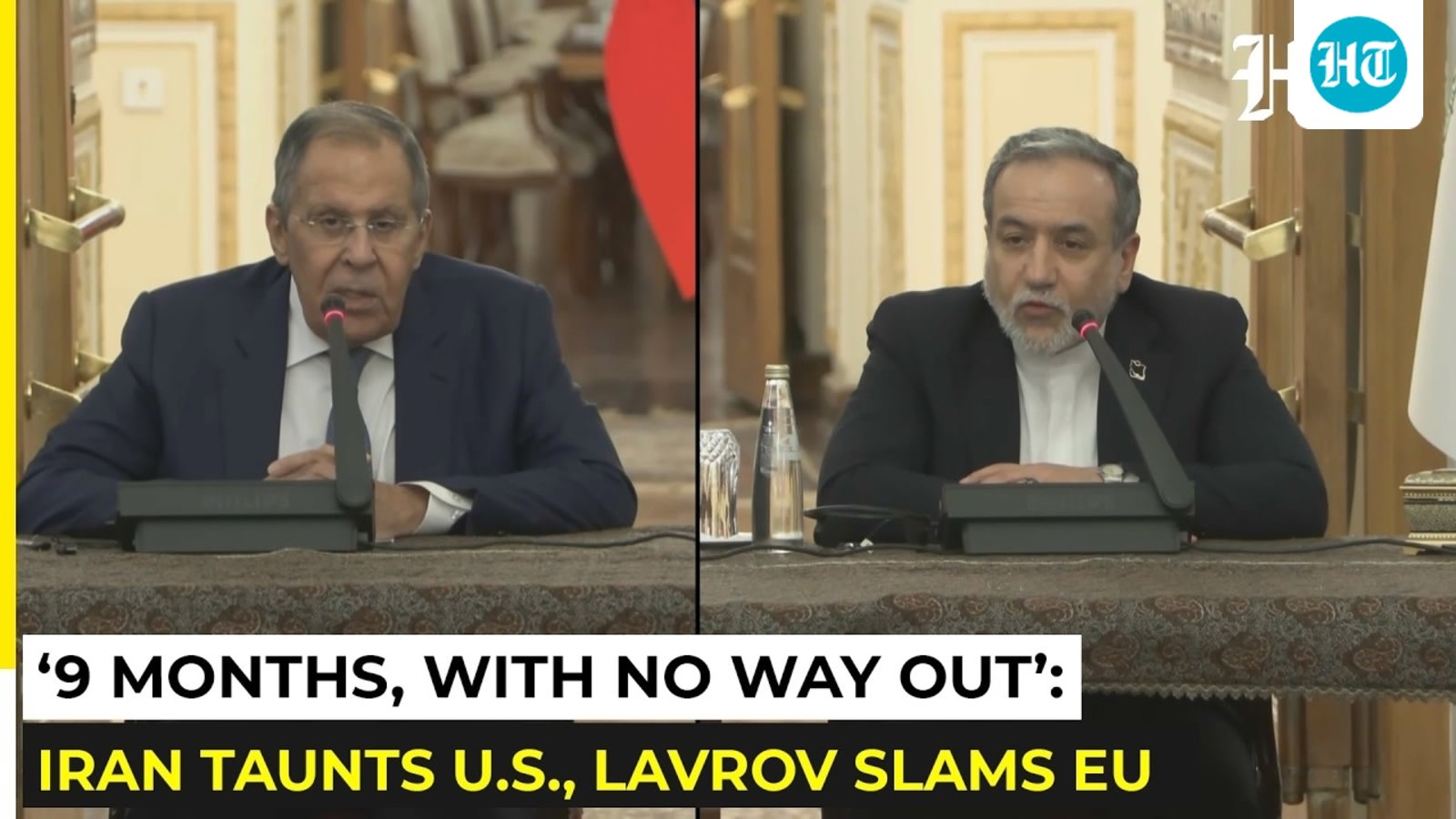
Iranian FM Abbas Araghchi and Russian FM Sergei Lavrov met in Tehran to condemn Western foreign policy, specifically criticizing US and EU involvement in Ukraine and Gaza. Both officials argued that Western strategies have destabilized global security and energy markets.
Strategic Alignment in Tehran: Araghchi and Lavrov Critique Western Policy
A Unified Front Against Western Influence
In a significant diplomatic meeting in Tehran, Iranian Foreign Minister Abbas Araghchi and his Russian counterpart, Sergei Lavrov, presented a cohesive critique of Western geopolitical strategy. The core of their argument centers on the assertion that the United States and the European Union are the primary drivers of global instability. By framing Western policy as 'misguided,' both nations are signaling a strengthening of the Tehran-Moscow axis, which seeks to challenge the established international order led by Western powers.
The Geopolitics of Ukraine and Gaza
Araghchi specifically targeted Western support for Ukraine and Israel, positing that such military and political backing serves only to prolong the conflict in Eastern Europe and exacerbate the humanitarian crisis in Gaza. This rhetoric reflects Iran's long-standing position regarding the 'Axis of Resistance' and its opposition to Western-backed military presence in the Middle East. By linking the two theaters of war, Iran is attempting to consolidate a narrative that positions the West as an indiscriminate interventionist force.
Miscalculations in the Iranian Theater
Perhaps the most pointed remark from the Iranian Foreign Minister was the claim that Washington and its allies fundamentally miscalculated the conflict with Iran. Araghchi asserted that Western powers expected a rapid surrender from Tehran, only to find themselves ensnared in a protracted struggle. This statement serves as a psychological deterrence strategy, suggesting that Iran is prepared for a long-term standoff and remains undeterred by external pressure or sanctions.
Energy Policy as a Weapon of Disruption
Expanding the scope of the critique, Russian Foreign Minister Sergei Lavrov focused on the impact of Western energy policies. He explicitly blamed the European and American efforts to decouple from Russian energy sources for the current volatility in global energy markets. Lavrov’s comments highlight the economic dimension of the ongoing diplomatic friction, suggesting that the West’s attempt to achieve energy independence is ultimately self-defeating and harmful to global economic stability.
Broader Implications and Future Trends
The meeting in Tehran underscores the deepening military and political cooperation between Russia and Iran. As both countries face extensive Western sanctions, their alignment is increasingly focused on mutual support and the creation of alternative geopolitical frameworks. Future trends suggest that this bloc will continue to leverage regional conflicts to challenge Western influence, potentially resulting in further polarization of international diplomatic channels and a continued shift in global energy trade dynamics.
Conclusion
The joint statements from Araghchi and Lavrov represent a clear attempt to define the narrative of modern conflict as a product of Western overreach. Whether through military intervention in the Middle East, support for Ukraine, or the restructuring of energy markets, the two nations are positioning themselves as the primary counter-balance to the United States and its European allies, ensuring that the geopolitical landscape remains highly volatile.
Verification Required?