US-Iran War Live News Updates: Washington refutes Tehran claim that ‘advanced’ drone seized in Hormuz
Source Entity
The Indian Express
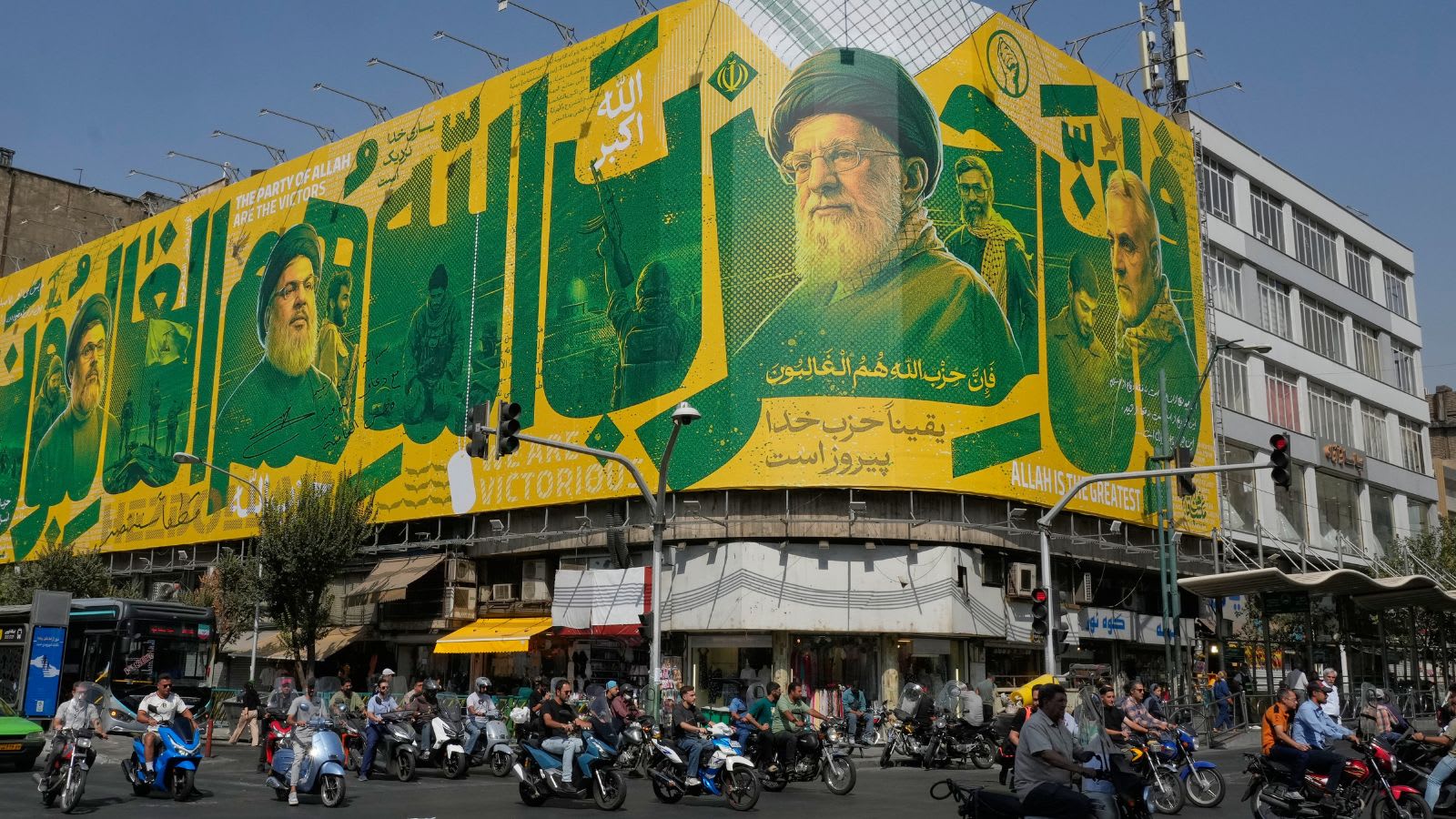
The Iranian Revolutionary Guard Corps claims to have seized two U.S. unmanned underwater vehicles in the Strait of Hormuz. Iran maintains that the strait will remain blockaded until specific conditions are met, despite ongoing indirect diplomatic talks.
Tensions Escalate in the Strait of Hormuz
The Strait of Hormuz, a critical maritime chokepoint through which a significant portion of the world's oil supply passes, has become the epicenter of a dangerous game of geopolitical brinkmanship. Recent reports confirm that the Islamic Revolutionary Guard Corps (IRGC) has claimed the capture of two U.S. unmanned underwater vehicles (UUVs), including an advanced Remus 600 model. These seizures are not isolated incidents but represent a strategic manifestation of Iran’s ongoing blockade of the waterway, which Tehran utilizes as leverage in its broader confrontation with the United States.
The Strategic Value of UUVs
The capture of sophisticated U.S. technology, such as the Remus 600, carries profound implications for electronic warfare and intelligence gathering. By seizing these autonomous systems, the IRGC claims it is "analyzing data" retrieved from the vessels. This suggests that the conflict is no longer confined to surface naval maneuvering but has extended into the subsurface domain, where underwater drones are used for mapping, surveillance, and reconnaissance. The loss of such hardware provides Iran with a potential window into U.S. operational capabilities and sensitive navigational data.
The Dual Track of Diplomacy and Defiance
Despite the aggressive rhetoric and military posturing, a paradoxical diplomatic reality persists. Iran’s foreign minister has maintained that indirect talks with the U.S. remain the only viable path to resolving the current deadlock. This suggests that while the IRGC engages in provocative actions—characterizing the U.S. military as an "American terrorist army"—the civilian leadership in Tehran remains open to a negotiated settlement, provided their undisclosed conditions are fulfilled. This dual-track approach highlights the complex internal power dynamics governing Iranian foreign policy.
Impact on Regional Stability and Daily Life
While the geopolitical stakes are high, the impact of these tensions is uniquely felt in port cities like Bandar Abbas. Despite the military posturing and the blockade, daily life for residents continues, illustrating the normalization of high-stakes tension in the region. The juxtaposition of citizens enjoying the waterfront at sunset in Bandar Abbas against the backdrop of an active naval standoff underscores how entrenched this conflict has become in the regional status quo.
Future Implications and Outlook
The persistence of the blockade and the refusal of Iranian leadership to back down, even in the face of direct rebukes from U.S. leadership, suggests that the Strait of Hormuz will remain a volatile flashpoint. As Iran continues to prioritize the fulfillment of its conditions over international pressure, the likelihood of further "coordinated and complex" operations against U.S. assets remains high. The international community faces a precarious future where the freedom of navigation is constantly challenged by the technological and military assertiveness of the IRGC, necessitating a careful balance between diplomatic outreach and the deterrence of further escalation.