Watch: BBC reports from the front-line of an escalating war in Yemen
Source Entity
BBC News
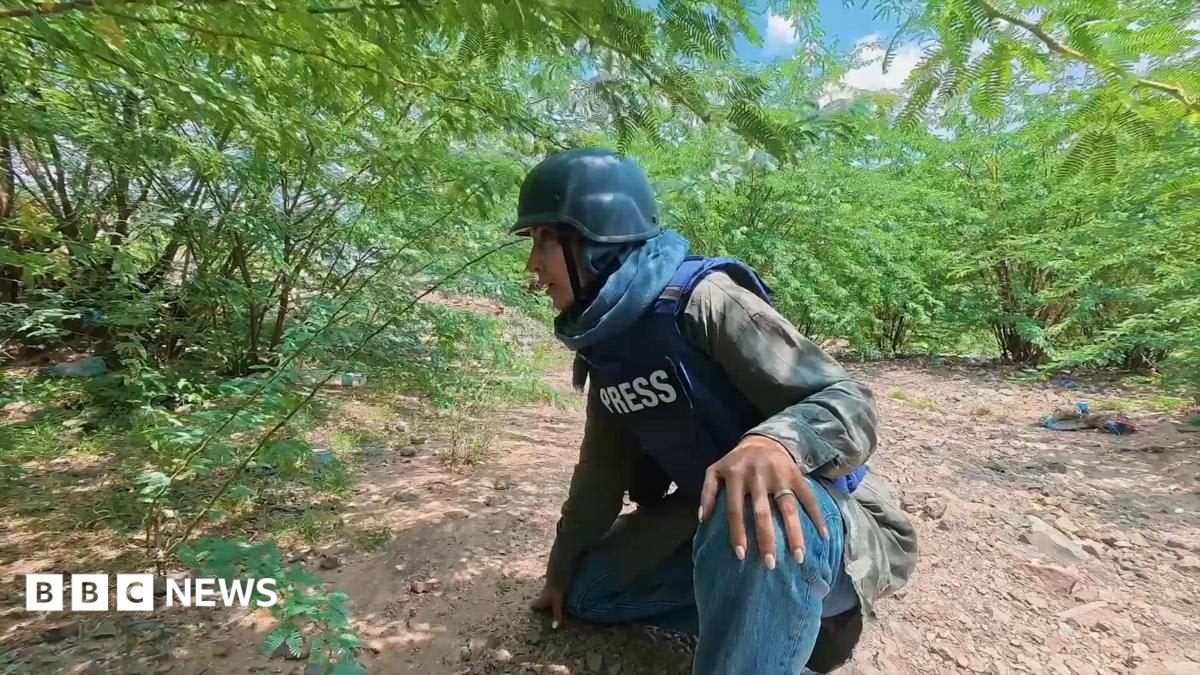
Recent reporting from Taiz, Yemen, highlights the intense volatility of the ongoing civil war as Houthi forces secure key shipping chokepoints. Journalists accompanying pro-government troops faced direct exposure to drone threats and artillery fire, underscoring the escalating danger in the region.
The Intensifying Conflict in Taiz: A Front-Line Perspective
Recent rare, on-the-ground reporting from the mountainous regions surrounding Taiz, Yemen, has provided a harrowing glimpse into the shifting dynamics of the country’s protracted civil war. As Saudi-backed pro-government forces attempt to stall the momentum of Houthi fighters, the region has become a microcosm of the broader struggle for territorial control. The presence of international media at these front lines serves to illuminate the extreme volatility that defines the current landscape, where the demarcation between government-held territory and 'no man's land' is increasingly fluid.
The Drone Threat and Tactical Warfare
Modern warfare in Yemen is increasingly characterized by the use of unmanned aerial vehicles (UAVs), which have become a signature tactical element for Houthi forces. The reports from Taiz confirm that these drones serve as precursors to artillery strikes, creating an environment of constant surveillance and immediate physical risk for both combatants and observers. The sound of a buzzing drone, now a harbinger of imminent danger, forces soldiers and civilians alike to seek cover, illustrating the psychological and tactical toll of this high-stakes attrition.
Strategic Shifts on the Red Sea Coast
The recent movement of Houthi fighters toward the Red Sea coast represents a significant tactical escalation. By securing key shipping chokepoints, the Houthis have successfully expanded the theater of war, moving beyond inland mountain skirmishes to threaten vital maritime logistics. This strategic pivot not only complicates the military objectives of the Saudi-backed coalition but also elevates the geopolitical stakes, as the Red Sea remains one of the world's most critical conduits for global trade and energy supplies.
The Humanitarian and Security Impasse
The difficulty in identifying a clear front line in the mountains south-west of Taiz highlights the fragmented nature of the conflict. This ambiguity complicates humanitarian efforts and complicates the ability of pro-government forces to establish a stable defensive perimeter. As checkpoints become the only markers of control, the civil population remains trapped in a state of perpetual displacement and uncertainty, caught between the competing ambitions of the warring factions.
Broader Implications and Future Outlook
Looking ahead, the situation in Taiz suggests a deepening of the conflict rather than a path toward de-escalation. The ability of Houthi forces to maintain control over coastal chokepoints while simultaneously engaging in intense mountain warfare indicates a level of operational sophistication that poses a sustained challenge to the Saudi-backed government. Without a significant shift in diplomatic engagement or military parity, the region is likely to remain a flashpoint, characterized by frequent artillery exchanges and a persistent threat to regional maritime stability.