Iran trade falls as Supreme Leader Khamenei urges less reliance on the U.S. dollar
Source Entity
US Top News and Analysis
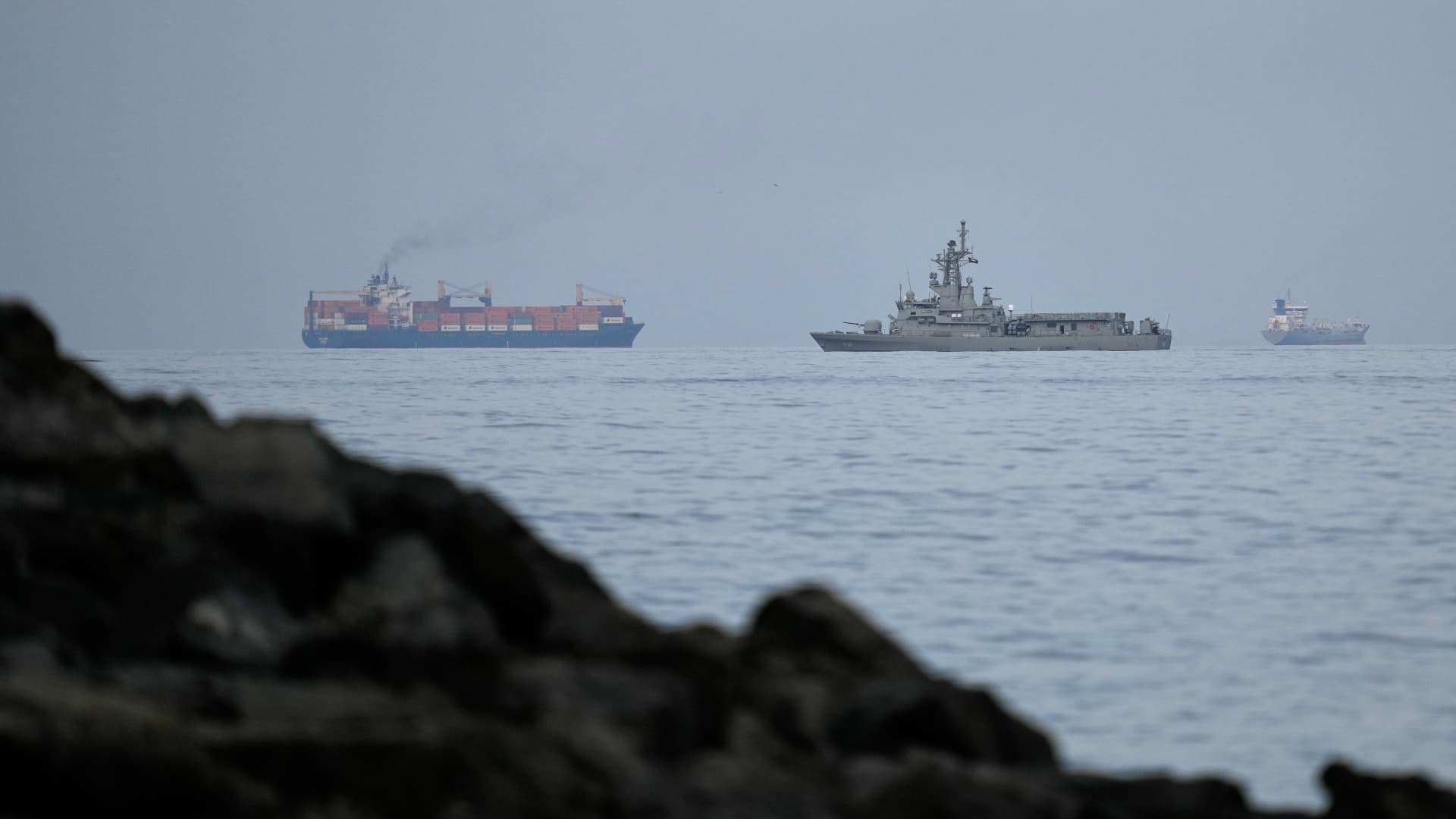
Iran reports a significant decline in international trade due to ongoing U.S. sanctions and maritime pressures. President Pezeshkian and Supreme Leader Khamenei are now pushing for de-dollarization to mitigate economic strain.
The Economic Toll of Sanctions on Iranian Trade
Iranian President Masoud Pezeshkian recently confirmed that the nation’s trade volume has suffered a sharp decline, reporting a contraction between 25% and 35%. This economic downturn is directly attributed to the compounding pressures of stringent U.S. sanctions and an intensifying naval blockade in the Strait of Hormuz. By highlighting that imports have fallen at a faster rate than exports, the administration is signaling a growing difficulty in accessing essential foreign goods, which creates a precarious environment for domestic industries and consumer stability.
Strategic Shifts and the Call for De-dollarization
In response to these systemic challenges, Supreme Leader Mojtaba Khamenei has issued a directive to reduce the nation's reliance on the U.S. dollar. This move represents a long-standing desire within the Iranian leadership to insulate the national economy from the hegemony of the American financial system. By attempting to pivot away from the dollar, Iran hopes to bypass traditional banking channels that are currently policed by U.S. enforcement mechanisms, effectively creating a parallel financial track for its remaining trade partners.
The Impact of Maritime Security and Blockades
The geography of the Strait of Hormuz remains a critical bottleneck in this economic crisis. With the presence of naval forces—such as the UAE navy patrolling near cargo vessels—the maritime domain has become a site of high-stakes tension. This physical blockade disrupts the flow of commodities, exacerbating the logistical hurdles that Iranian exporters face. The inability to secure safe passage for vessels significantly inflates insurance costs and discourages international shipping firms from engaging with Iranian ports.
Domestic Implications of Import Contraction
President Pezeshkian’s admission that imports have decreased more significantly than exports suggests that Iran is struggling to maintain its supply chain for critical raw materials and technology. A sharper decline in imports often precedes domestic shortages, which can lead to inflationary pressures and social unrest. As the government attempts to balance its export-driven revenue with the necessity of importing consumer and industrial goods, the focus on de-dollarization serves as both a political statement and a desperate economic survival strategy.
Future Trends and Regional Stability
Looking forward, the success of Iran’s pivot away from the U.S. dollar will likely depend on the willingness of regional allies and non-Western powers to facilitate trade in alternative currencies. However, as long as the naval blockade in the Strait of Hormuz persists, the physical barriers to trade may outweigh any financial policy adjustments. The coming fiscal quarters will be pivotal in determining whether the Iranian economy can stabilize under this new, restricted regime or if the current downward trend in trade volume will necessitate further, more drastic adjustments to their economic policy.