‘I thought I was angry with my brother’: The unspoken grief of growing apart in adulthood
Source Entity
Shruti Kaushal
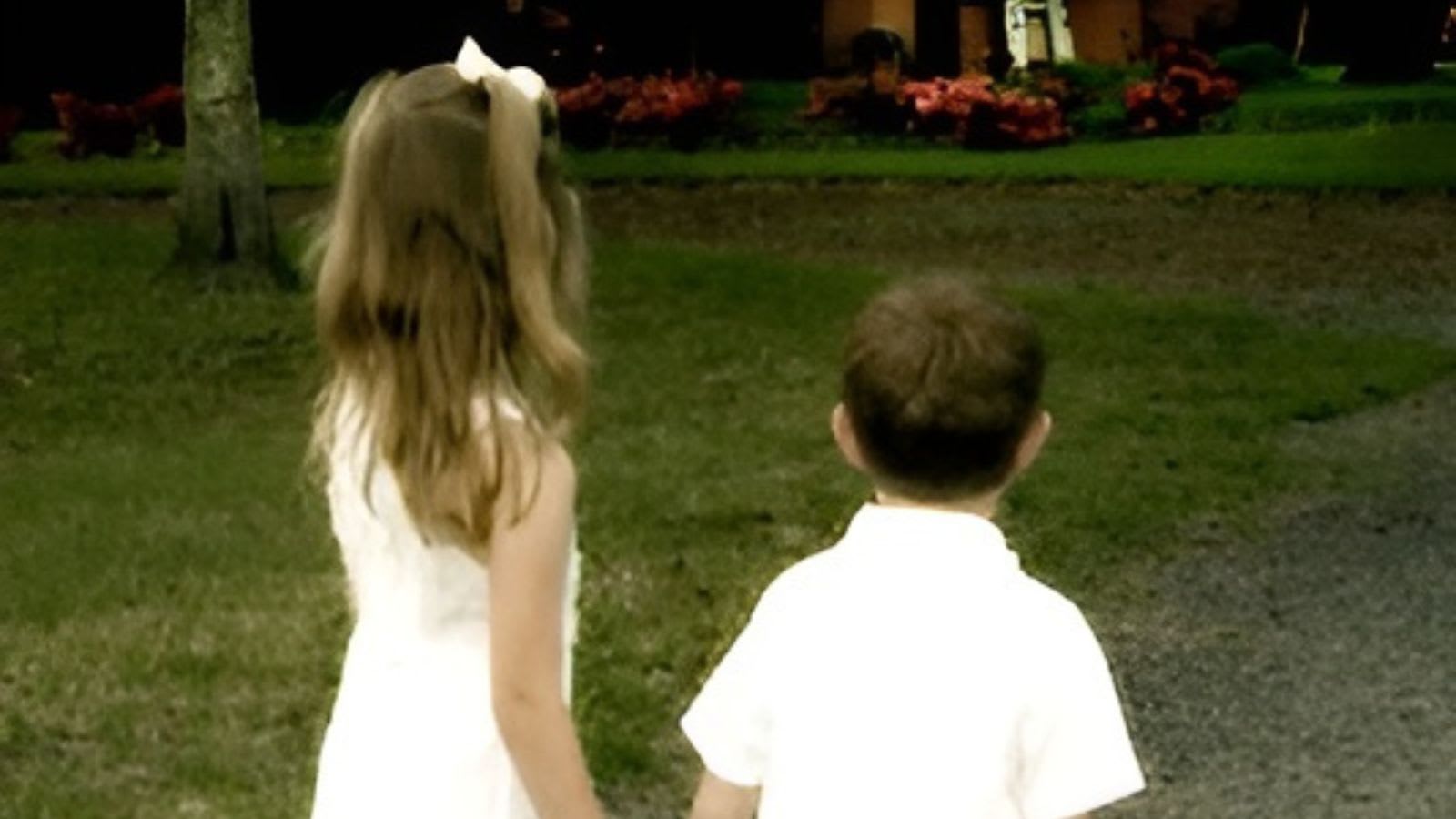
The transition from childhood rituals to adult estrangement often masks deeper, unresolved grief. This analysis explores how the shifting dynamics of sibling relationships reflect broader societal changes in communication and emotional intimacy.
The Silent Erosion of Sibling Bonds
Childhood rituals, such as the shared celebration of Raksha Bandhan, serve as the foundational architecture of sibling intimacy. The sensory memories of home-cooked cholay-puri and the anticipation of small gifts like a Cadbury Celebration box create a sense of security and shared identity. However, as individuals transition into their late 20s and early 30s, these structured traditions often face the pressures of independent adult lives, leading to a natural, yet often painful, emotional divergence.
The Shift from Ritual to Reality
The author’s reflection highlights a poignant reality: the transition from a shared, supervised childhood to a fragmented adulthood. When siblings grow up, the 'shubh muhurat'—once a parental mandate—becomes a voluntary choice. The shift from active participation in these rituals to a sense of distance often manifests as anger or annoyance. This anger, however, is frequently a secondary emotion, serving as a defensive mechanism to mask the underlying grief of losing the effortless companionship of youth.
Analyzing the Anatomy of Estrangement
Approaching the age of 30 often triggers a period of introspection regarding familial roles. For the author, looking through old photographs serves as a catalyst for examining the 'tumultuous bond' with a younger brother. This psychological process is common; as life trajectories diverge—career paths, geographic relocation, and shifting priorities—the previous 'perfect picture' captured by a parent becomes a stark contrast to the modern reality of infrequent communication and emotional disconnect.
Societal Implications of Adult Sibling Dynamics
In modern society, the expectation that sibling bonds remain static from childhood through adulthood is a significant source of relational pressure. Unlike friendships, which are often chosen, sibling relationships are inherited. When these bonds fray, the lack of a clear 'script' for navigating adult conflict leads to silence. The author's admission of confusing grief with anger is a profound insight into how the loss of an intimate sibling connection is rarely acknowledged as a legitimate form of mourning.
Navigating the Future of Family Ties
Predicting the trajectory of such relationships requires acknowledging that reconciliation is not merely about returning to childhood habits, but about establishing a new, adult-to-adult connection. The acknowledgement of this 'unspoken grief' is the necessary first step toward bridging the gap. Future trends in family sociology suggest that as traditional structures evolve, siblings who proactively redefine their roles—moving away from the 'ritual' and toward 'intentional connection'—are more likely to sustain meaningful relationships in their later years.
Conclusion: The Path Toward Understanding
Ultimately, the evolution of a sibling relationship from the simplicity of childhood rituals to the complexities of adulthood is a universal human experience. By identifying the underlying grief hidden beneath the guise of typical sibling conflict, one can begin to dismantle the barriers of estrangement. The journey from the nostalgia of a Raksha Bandhan thali to the nuanced understanding of a 26-year-old brother is not a loss, but an opportunity for a more profound, albeit different, form of love.