Beyond Trending: What is propaganda?
Source Entity
Ashiya Parveen
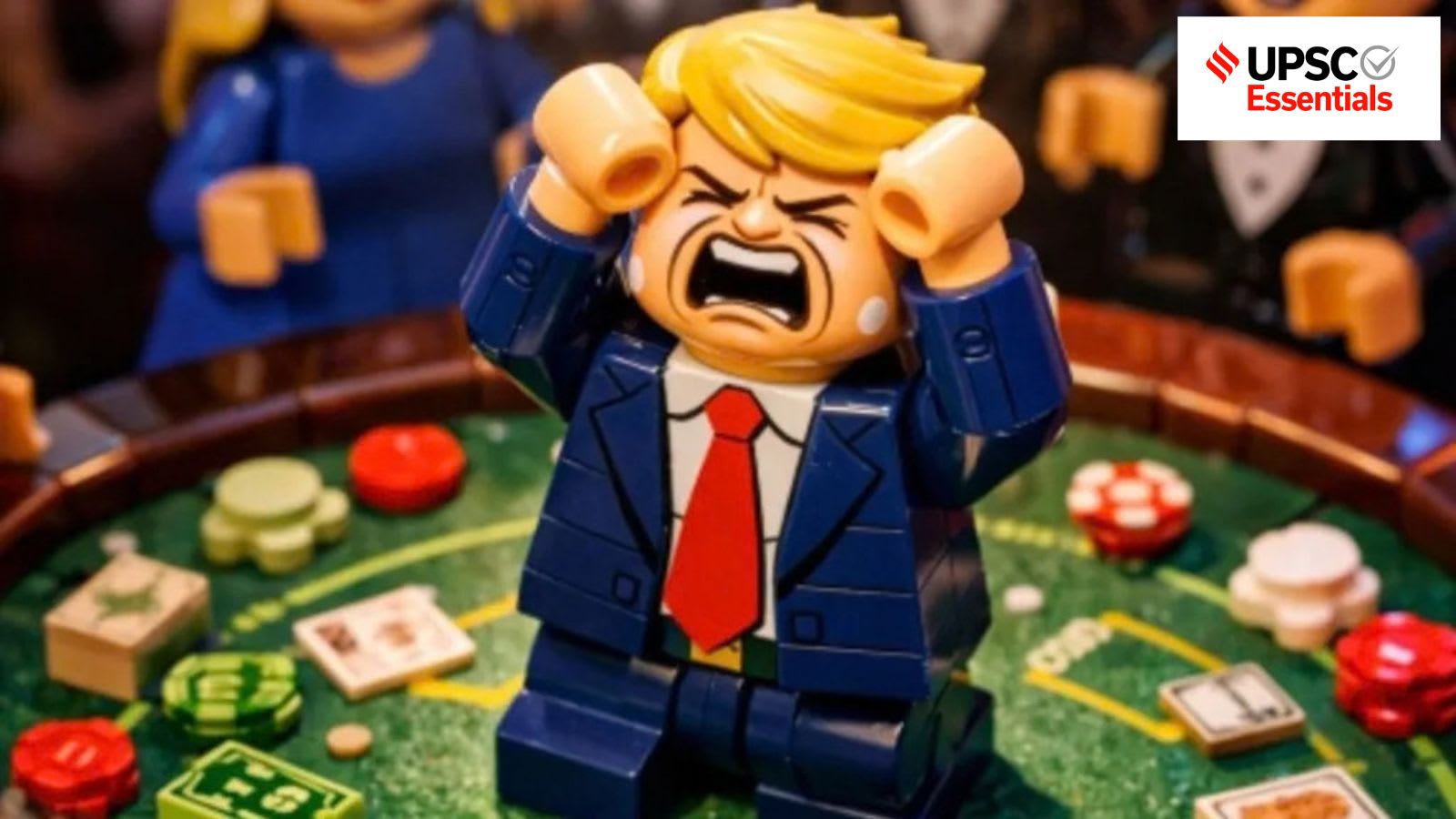
Iranian President Masoud Pezeshkian is calling for a US return to the memorandum of understanding as regional tensions surge due to Houthi escalations. Simultaneously, modern warfare is increasingly shifting toward digital fronts, utilizing sophisticated propaganda tactics like AI-generated content to influence global perceptions.
The Intersection of Geopolitics and Digital Warfare
Recent statements from Iranian President Masoud Pezeshkian on the sidelines of the UN General Assembly have highlighted a critical diplomatic window, with Tehran expressing a desire for the United States to return to the memorandum of understanding (MoU) ahead of the US midterm elections. This diplomatic overture occurs amidst a volatile backdrop in the Middle East, where Yemen’s Houthi forces have significantly escalated their military operations against Saudi Arabia and solidified their control over vast stretches of Yemen’s Red Sea coastline. These developments suggest a heightened risk of a broader regional conflict that carries the potential for significant global economic and security consequences.
The Shift Toward Non-Kinetic Warfare
While traditional military strength remains a key component of national power, modern conflicts are increasingly defined by non-kinetic means. The recent surge in regional instability is being mirrored by a sophisticated digital campaign, marking a shift in how state and non-state actors project influence. The emergence of AI-generated, LEGO-style videos designed to mock US political leadership, specifically President Donald Trump, serves as a prominent example of this evolution in digital warfare. This indicates that propaganda is no longer just a broadcast medium but a precision-targeted, algorithmically driven tool.
Defining the Modern Propaganda Machine
At its core, propaganda functions as a form of mass communication designed to shape perceptions, manipulate cognitions, and influence the behavior of targeted populations. By moving beyond traditional rhetoric, these modern digital tactics aim to bypass conventional media filters, reaching audiences directly through social media platforms. The use of generative AI represents a democratization of influence operations, allowing entities to create high-quality, engaging content that can rapidly alter public discourse during sensitive geopolitical negotiations.
Strategic Implications of Digital Influence
The synchronization of Houthi maritime aggression with AI-driven digital campaigns creates a multi-layered threat environment. By coupling kinetic actions—such as the seizure of the Red Sea coast—with psychological warfare, actors are attempting to force diplomatic concessions while simultaneously undermining the credibility of their adversaries. This dual-track approach complicates the ability of international observers and policymakers to respond, as they must address both physical security threats and the rapid spread of digital misinformation.
The Path Forward
As the US approaches its midterm elections, the pressure on the current administration to navigate these complex regional demands will likely increase. The interplay between the Iranian request for an MoU return and the ongoing Houthi escalations suggests that the situation is far from stable. Understanding the role of propaganda is essential for any comprehensive analysis of these events, as it underscores that the struggle for influence in the Middle East is as much about the battle for the digital narrative as it is about territorial control or regional security pacts.