Peshawar seeks revival of Dilip Kumar’s ancestral home as heritage landmark
Source Entity
YUDHVIR RANA
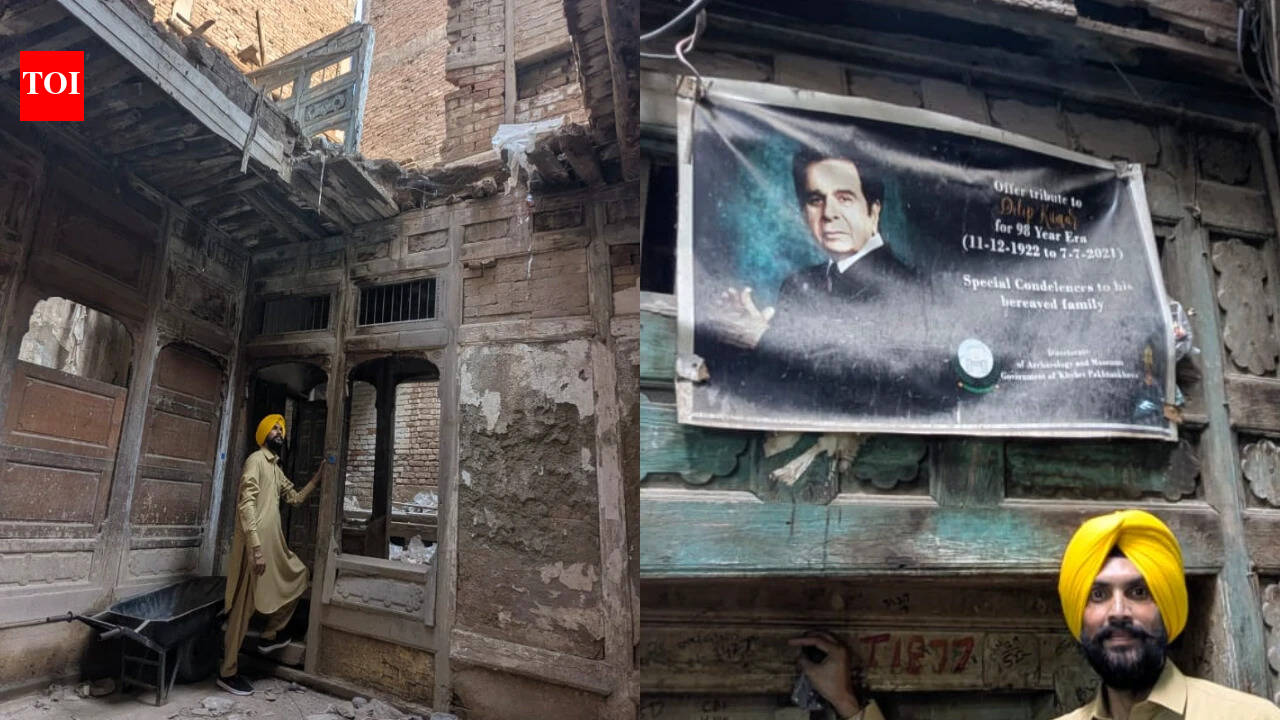
The Saragarhi Gurdwara Parbandhak Committee is urging the Khyber Pakhtunkhwa government to restore Dilip Kumar’s ancestral home in Peshawar. The restoration is requested ahead of the late actor’s birth anniversary on December 11 to preserve his cultural legacy.
The Call to Preserve Cinematic History in Peshawar
The Saragarhi Gurdwara Parbandhak Committee has issued a formal appeal to the government of Khyber Pakhtunkhwa (KPK), Pakistan, calling for the immediate restoration of the ancestral home of the legendary actor Dilip Kumar. Born as Muhammad Yusuf Khan on December 11, 1922, in the historic Mohalla Khudadad area of Peshawar, Kumar remains one of the most significant figures in the cinematic history of the Indian subcontinent. The committee's urgency stems from the deteriorating state of the century-old structure, which currently stands as a fragile remnant of its former self.
Architectural and Cultural Significance
Located near the iconic Qissa Khwani Bazaar—a site historically known as the 'Bazaar of Storytellers'—the house is more than just a private residence; it is a cultural landmark that bridges the shared history of India and Pakistan. Sunny Singh, president of the committee, highlighted the gravity of the situation after visiting the site. The degradation of such a landmark represents a loss of tangible heritage that connects modern generations to the early 20th-century socio-cultural fabric of Peshawar.
The Urgency of Restoration
The request specifically targets a deadline of December 11, coinciding with the late actor's birth anniversary. By setting this timeline, the committee is attempting to leverage the symbolic importance of the date to compel local authorities to prioritize conservation efforts. Restoration is seen as a vital step in preventing the total collapse of a site that holds immense sentimental value for millions of film enthusiasts globally.
Broader Implications for Cultural Diplomacy
Preserving the birthplace of an icon like Dilip Kumar serves as a form of soft-power diplomacy. Cultural sites often act as conduits for people-to-people connections across borders. If the KPK government commits to this restoration, it could signify a positive trend toward valuing historical preservation over neglect, potentially transforming the house into a museum or a cultural center that celebrates the artistic legacy of a man who transcended regional and national boundaries.
Future Outlook and Heritage Protection
Looking forward, the restoration of the Peshawar residence could establish a precedent for how Pakistan manages other colonial-era and pre-partition landmarks. Should the government heed the call, it would demonstrate a commitment to protecting the diverse historical narrative of the region. Conversely, continued neglect risks losing a permanent link to the life of one of the greatest actors in the history of South Asian cinema, leaving a void in the cultural landscape of the city of Peshawar.