‘I was crying, in pain’: How 3 rapists turned Delhi teen’s b’day into horror
Source Entity
ABHAY
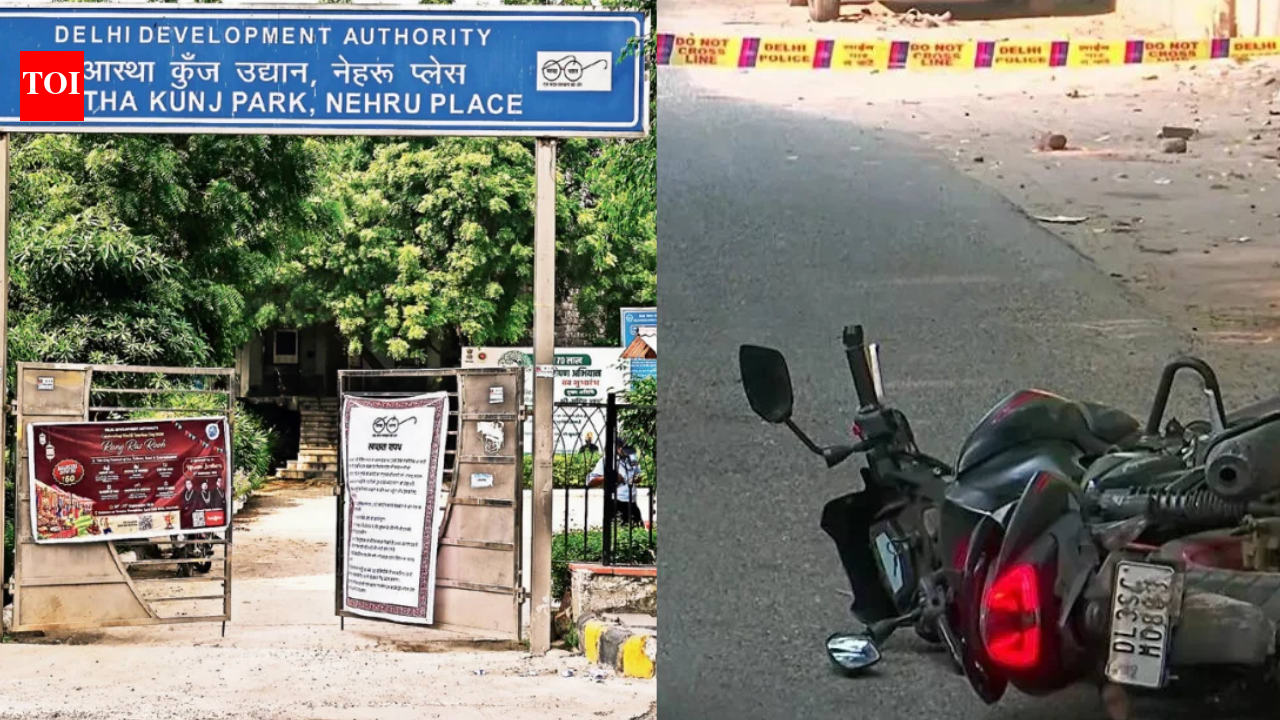
A 17-year-old girl was gang-raped by three men posing as police officers at Delhi's Aastha Kunj Park. Following the incident, Delhi Police have intensified security measures, including increased bus patrolling, in vulnerable areas.
The Aastha Kunj Park Incident: A Breach of Safety
The recent incident at Aastha Kunj Park, where a 17-year-old girl was subjected to a brutal gang-rape on her birthday, has sent shockwaves through the community. The survivor, who had gone to visit the nearby Kalkaji Temple, was accosted by three men who utilized the guise of police authority to intimidate and overpower her and her friend. Armed with knives, these assailants turned a day of celebration into a traumatic nightmare, highlighting the extreme vulnerability of public spaces in urban environments.
The Modus Operandi of the Assailants
The use of impersonation is a particularly chilling aspect of this crime. By posing as law enforcement officers, the perpetrators exploited the trust and fear typically associated with authority figures to gain control over their victims. This tactic suggests a calculated approach to coercion, allowing the attackers to isolate the victims before revealing their true, violent intentions. The survivor's detailed account, provided in her FIR, includes specific descriptions and nicknames, which remain critical to the ongoing investigation and the pursuit of justice.
Immediate Response and Security Escalation
Following the prompt reporting of the crime by the survivor’s friend, the Delhi Police initiated an immediate investigation. The gravity of the situation prompted a swift tactical response, with authorities intensifying security measures across the city. Notably, the Delhi Police have deployed women constables to conduct bus patrolling at terminals such as Nehru Place. This initiative aims to address the heightened sense of insecurity among commuters and deter potential offenders in high-traffic or vulnerable transit zones.
Urban Safety and Public Spaces
This incident forces a broader conversation regarding the safety of public parks and transit hubs within Delhi. Aastha Kunj Park, while intended as a space for recreation and peace, became the site of a heinous crime, raising questions about lighting, surveillance, and the frequency of police patrols in such areas. The failure of existing security measures to prevent this assault underscores the urgent need for structural improvements in city planning and safety oversight.
Future Implications and Policy Trends
The deployment of women constables in public transport is a reactive measure that signals the police department's intent to regain public trust. However, the long-term efficacy of these patrols depends on sustained presence and systemic reform. Future trends in urban policing in Delhi will likely emphasize a more visible, gender-sensitive approach to patrol duties, particularly in areas frequented by women and students. As the legal process unfolds for this specific case, the public and advocacy groups will be watching closely to see if these security shifts translate into a genuine reduction in crime rates.
Conclusion
The gang-rape of a teenager in the heart of the city is a stark reminder of the persistent threats to women's safety. While the rapid response by the Delhi Police to increase patrols is a necessary step, it must be supported by a comprehensive strategy that addresses the root causes of such violence. The pursuit of justice for the survivor remains the primary priority, as the city reflects on how to better protect its most vulnerable citizens in public spaces.