Something massive is about to happen in the Strait of Hormuz? Iran just dropped a terrifying warning
Source Entity
Latest News: Today's Latest News Headlines from India & World | Hindustan Times | Hindustan Times
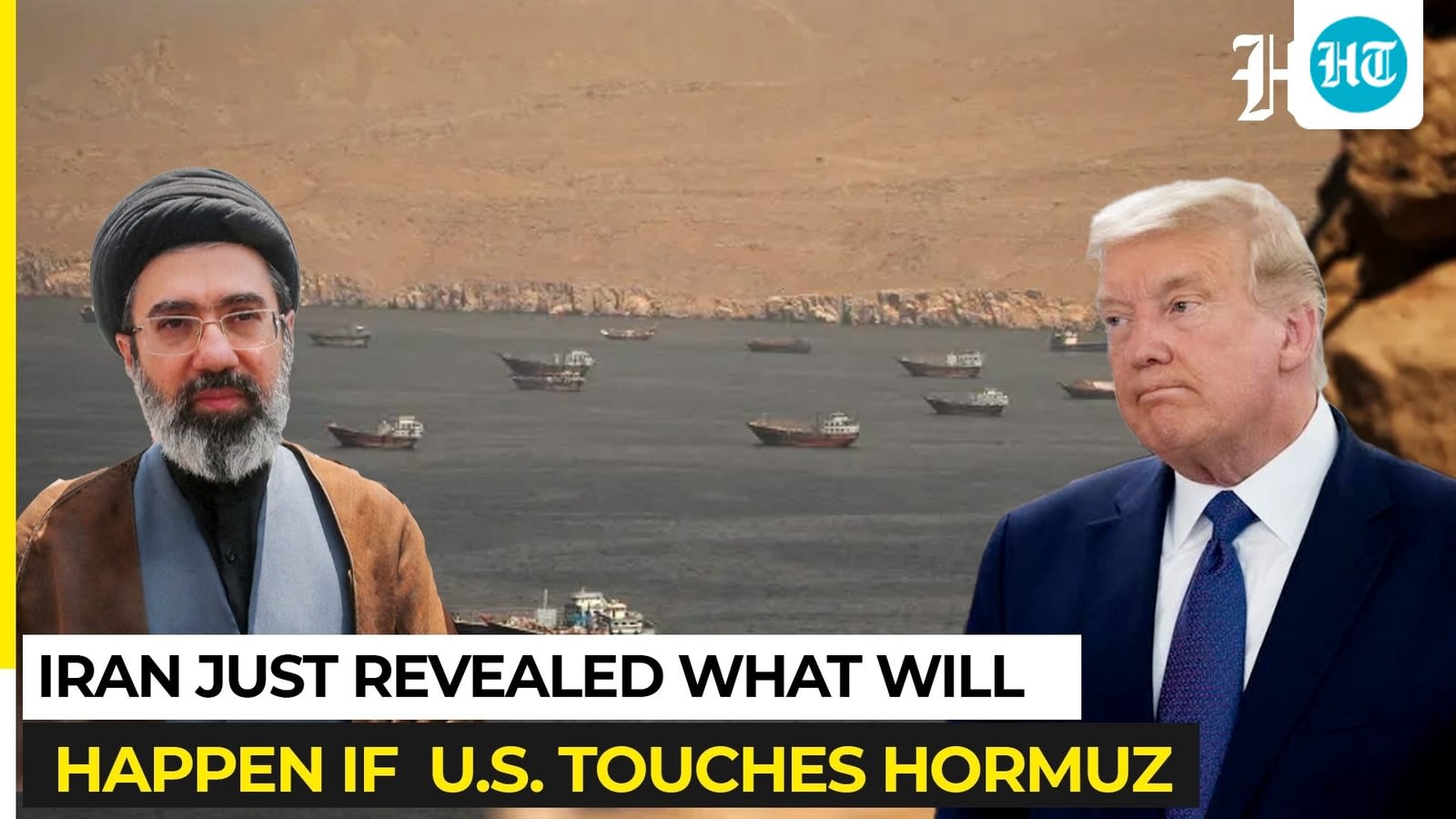
Iran has issued a fresh warning against any U.S. involvement in the Strait of Hormuz, with an IRGC spokesperson saying Tehran will not allow foreign interference in managing the strategic waterway. The statement also warned regional countries against providing logistical support to U.S. military operations, claiming such cooperation could widen the conflict. The remarks come after Donald Trump discussed U.S. control over the vital shipping route during a television interview, adding to already heightened tensions. Could the latest rhetoric push the Gulf toward another dangerous confrontation?
Geopolitical Volatility: Iran's Warning and the Struggle for the Strait of Hormuz
The recent warnings issued by the Islamic Revolutionary Guard Corps (IRGC) regarding the Strait of Hormuz signal a dangerous escalation in the long-standing confrontation between Tehran and Washington. By explicitly stating that foreign interference in the management of this strategic waterway will not be tolerated, Iran is asserting its role as the primary regional hegemon and the self-appointed guardian of the Gulf's most critical maritime artery. This rhetoric is not merely a diplomatic formality but a calculated move to signal resolve in the face of perceived Western encroachment.
The Catalyst: Political Rhetoric and Strategic Control
The immediate spark for this tension appears to be comments made by Donald Trump regarding U.S. control over the shipping route. In the realm of high-stakes geopolitics, language regarding "control" is often interpreted as a precursor to military posture or policy shifts. For Iran, the suggestion that the United States could or should exert control over the Strait is viewed as a direct threat to its national security and sovereign interests. The IRGC's reaction serves as a deterrent, reminding the U.S. that any attempt to physically or politically dominate the waterway could result in a direct military clash.
Isolating the U.S.: The Warning to Regional Allies
A critical component of the IRGC's statement is the warning directed at neighboring regional countries. By cautioning these nations against providing logistical support to U.S. military operations, Iran is attempting to create a strategic buffer. Tehran recognizes that U.S. power projection in the Gulf relies heavily on the cooperation of regional partners for basing, refueling, and intelligence. By threatening that such cooperation could "widen the conflict," Iran is attempting to pressure Gulf states into a policy of neutrality, effectively trying to isolate U.S. forces and limit their operational capacity in the region.
The Strategic Weight of the Strait of Hormuz
To understand the gravity of these warnings, one must consider the global economic significance of the Strait of Hormuz. As the world's most important oil chokepoint, a significant portion of the globe's petroleum passes through this narrow passage daily. Any disruption—whether through mining, ship seizures, or full-scale closure—would lead to an immediate spike in global energy prices and trigger economic instability worldwide. Iran has historically used the threat of closing the Strait as its primary asymmetric lever against international sanctions, making this current warning a potent tool of economic warfare.
Historical Precedents and Patterns of Escalation
This current friction is not an isolated incident but part of a recurring cycle of escalation. From the "Tanker War" of the 1980s to the seizure of tankers in recent years, the Strait has frequently been the stage for Iranian signaling. The pattern typically involves a period of high-level political rhetoric, followed by a show of force (such as naval exercises or drone activity), and finally a diplomatic standoff. The current situation follows this blueprint closely, suggesting that while the rhetoric is "terrifying," it is also a familiar tactic used by Tehran to negotiate from a position of perceived strength.
Future Outlook: Risks of Miscalculation
Looking forward, the risk of a kinetic confrontation remains high due to the potential for miscalculation. As both the U.S. and Iran increase their naval presence and rhetoric, the margin for error narrows. A single misunderstood naval maneuver or a rogue incident involving a commercial vessel could trigger a chain reaction that leads to an unintended conflict. The global community must now watch whether these warnings lead to a strategic recalibration or if they are the opening salvos of a more direct confrontation in the Gulf.
Summary
In essence, the IRGC's warnings are a response to U.S. political rhetoric, aimed at maintaining Iranian influence over the Strait of Hormuz and deterring regional cooperation with Washington. Given the waterway's role in global energy security, these tensions pose a significant risk to international economic stability and regional peace.
Verification Required?