Iran warns US ships in Indian Ocean ‘will be attacked’ if war resumes, says ‘totally prepared’ for naval confrontation
Source Entity
Latest News: Todays Latest News Headlines from India & World | Hindustan Times | Hindustan Times
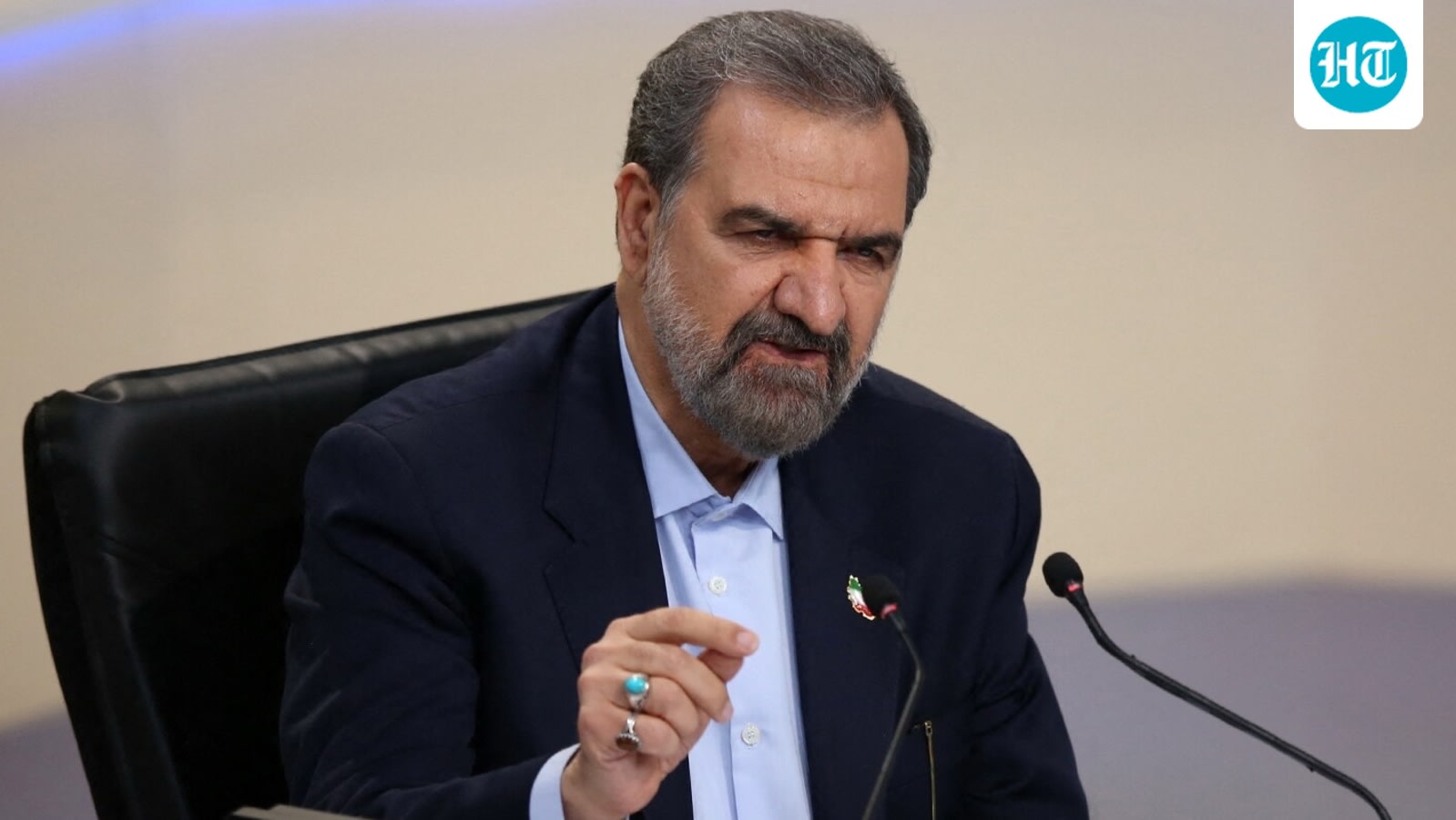
Iran has issued a stern warning of 'unlimited' retaliation against US interests and regional allies if new military strikes occur. This follows a diplomatic deadlock where Tehran submitted seven truce conditions via Qatari mediators to reopen the Strait of Hormuz.
Tensions Escalate: Iran Warns of 'Decisive War' Amid Diplomatic Deadlock
The Current Standoff
The geopolitical landscape in West Asia remains precariously balanced as Iran’s central military command has issued a direct warning regarding potential new military actions by the United States. Following reports that the US, potentially supported by regional allies, may be preparing for fresh strikes, Tehran has responded with a vow of "no limits" in its retaliation. This development marks a significant hardening of rhetoric months after the initial US-Israeli strikes on Iran in late February, signaling that the window for a peaceful resolution is rapidly narrowing.
The Diplomatic Track vs. Military Readiness
Despite the bellicose warnings, there remains a parallel effort toward de-escalation. Iranian Parliament Speaker Mohammad Bagher Ghalibaf has articulated a dual-track strategy, emphasizing that the nation must maintain both "military action and negotiations at the appropriate time." Through Qatari mediators, Tehran has officially communicated seven specific conditions for a truce to Washington. This diplomatic maneuver is intrinsically tied to the strategic importance of the Strait of Hormuz, with Iran threatening its closure should its demands be ignored or rejected by the United States.
Regional Implications and Alliances
A critical component of Iran’s recent warnings is the explicit inclusion of regional nations. Tehran has made it clear that any country providing support or a staging ground for US military operations will be considered a participant in the conflict. By framing the potential US action as a coalition-backed effort, Iran is effectively expanding the theater of potential instability, warning that American bases and interests across the entire West Asian region would face sustained strikes should hostilities resume.
Historical Context of the Conflict
The current deadlock is a direct evolution of the hostilities that commenced in late February. The initial US-Israeli strikes established a pattern of direct kinetic engagement that has forced both sides into a cycle of posturing and tactical maneuvering. The persistence of this conflict suggests that the underlying issues—ranging from regional influence to maritime security—remain unaddressed, leading to a state of perpetual high alert for military forces stationed in the region.
Future Trends and Strategic Risks
Looking ahead, the situation remains highly volatile. The "path of deception" rhetoric from Iranian officials indicates a profound lack of trust in the current diplomatic process. If the US fails to engage with the seven conditions presented via Qatar, the likelihood of a "decisive war" increases significantly. The global economy remains particularly vulnerable to these developments, as any kinetic action involving the Strait of Hormuz would have immediate and severe consequences for international energy supplies and maritime trade routes.
Conclusion
The situation is defined by a fragile paradox: while formal negotiations continue through intermediaries, the military infrastructure on both sides is actively preparing for a potential escalation. The coming weeks will be crucial in determining whether the diplomatic overtures, such as the proposed seven-point truce, can override the current momentum toward further military confrontation. Stability in West Asia now hinges on the willingness of both Washington and Tehran to move beyond the current cycle of threats and counter-threats.
Verification Required?