German Chancellor Merz vows to stay on despite 'disaster' in state election
Source Entity
BBC News
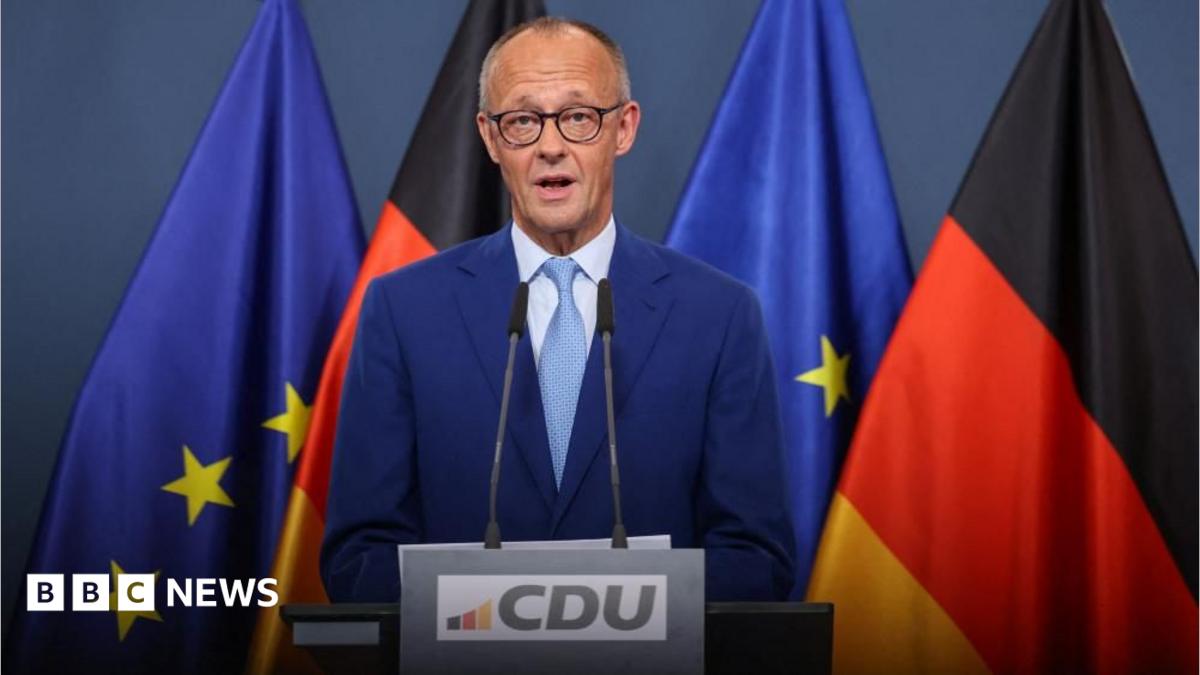
Chancellor Friedrich Merz faces severe political instability following disastrous results for the CDU in Berlin and Mecklenburg-Vorpommern. These losses, compounded by recent AfD gains in Saxony-Anhalt, have fueled intense speculation regarding a potential mid-term leadership change.
The Fragile State of the Merz Chancellorship
Germany is currently navigating a period of significant political turbulence, as recent state elections in Berlin and Mecklenburg-Vorpommern have delivered what Chancellor Friedrich Merz has candidly described as a "disaster" for his Christian Democratic Union (CDU). These electoral outcomes are not merely local setbacks; they serve as a critical barometer for the national mood and underscore a deepening crisis for the centre-right coalition.
The Erosion of CDU Dominance
The electoral performance in Mecklenburg-Vorpommern, where the CDU barely secured enough support to enter parliament, represents a historic low for the party in the region. Simultaneously, the loss in Berlin to the left-wing Die Linke party highlights a broad-based rejection of the current administration’s platform. These results follow a troubling trend established only a fortnight prior in Saxony-Anhalt, where the CDU saw its vote share halved during a significant victory for the far-right Alternative for Germany (AfD).
The Rise of the AfD and Political Polarization
The surging momentum of the AfD, particularly following their triumph in Saxony-Anhalt, has fundamentally altered the German political landscape. By capturing the most votes in Mecklenburg-Vorpommern, the AfD has solidified its role as a disruptive force capable of challenging the traditional establishment. This shift has placed immense pressure on Chancellor Merz, who now finds his party squeezed between the ideological pull of the far-right and the electoral gains of the left.
Speculation of a Mid-Term 'Chancellor Swap'
Given the sustained decline in approval ratings and the string of electoral defeats, whispers of a "chancellor swap" have begun to permeate the halls of power in Berlin. While Merz has publicly vowed to remain in his position, the structural integrity of his leadership is being openly questioned by political analysts and party insiders alike. The prospect of a mid-term replacement is a rare and destabilizing event in German politics, signaling the severity of the current crisis.
Future Trends and Governing Stability
The path forward for Chancellor Merz is fraught with peril. If he cannot stabilize the CDU’s electoral support and regain public trust, the pressure for a transition in leadership will likely intensify. The combination of poor polling data and the emboldened opposition suggests that the coming months will be a defining period for the future of the CDU and the stability of the current governing coalition. Should the trend of voter attrition continue, Germany may face an era of unprecedented political fluidity.
Multiple Citing Sources