Iraq resistance group offers $10 million reward to assassinate Trump: Report
Source Entity
Latest News: Today's Latest News Headlines from India & World | Hindustan Times | Hindustan Times
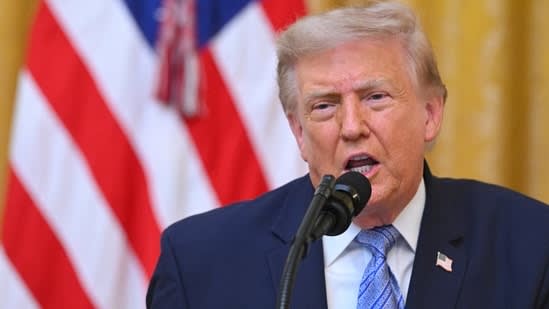
An Iran-backed Iraqi resistance group has reportedly placed a $10 million bounty on the life of President Donald Trump. This threat, framed as retaliation for the deaths of senior commanders, highlights escalating tensions between US forces and regional militias.
Escalating Tensions: The $10 Million Bounty Threat
Recent reports indicate that an umbrella group of Iraq-based resistance factions, often associated with Iranian influence, has announced a $10 million reward for the assassination of US President Donald Trump. According to media outlets including Press TV, this bounty is being presented as a direct retaliatory act following the deaths of senior resistance commanders. The declaration marks a significant escalation in the rhetoric utilized by these groups against the United States.
Contextualizing the Conflict
The announcement of this bounty occurs against a backdrop of long-standing friction between the United States and various militia groups operating within Iraq. These factions have historically cited the US military presence and specific targeted actions against their leadership as primary drivers for their hostility. By framing the bounty as a "curse" or a formal retaliation, the group aims to project strength and mobilize its network of supporters and donors.
Impact on Diplomatic Relations
The timing of these threats is particularly sensitive, as it coincides with official state visits, such as the recent trip by Iraqi leadership to Washington to meet with President Trump. Such hostile declarations complicate the delicate diplomatic balance between the US and the Iraqi government, which is tasked with maintaining order while managing the presence of various armed factions. The tension is further exacerbated by concurrent reports of drone activity near US diplomatic facilities, such as the consulate in Erbil, suggesting a multi-pronged approach to pressuring US interests.
Geopolitical Implications
This incident underscores the broader, volatile nature of the US-Iran proxy conflict. The use of financial incentives to encourage violence against a sitting head of state is a rare and extreme escalation in irregular warfare. It highlights the shifting strategies of non-state actors who are increasingly utilizing both kinetic actions—such as drone strikes—and psychological operations to challenge US policy in the Middle East.
Future Trends and Security Outlook
Looking ahead, the security environment for US personnel and officials in the region remains precarious. The existence of a bounty, even if symbolic or aspirational, necessitates heightened security protocols and intelligence vigilance. Experts suggest that as long as the underlying grievances—driven by regional power struggles and military interventions—remain unaddressed, the risk of asymmetric threats against American leadership will likely persist, forcing a continued recalibration of US foreign policy in the region.
Multiple Citing Sources
Verification Required?