New IRCTC website launched: How to book train tickets in 5 simple steps
Source Entity
Anish Mondal
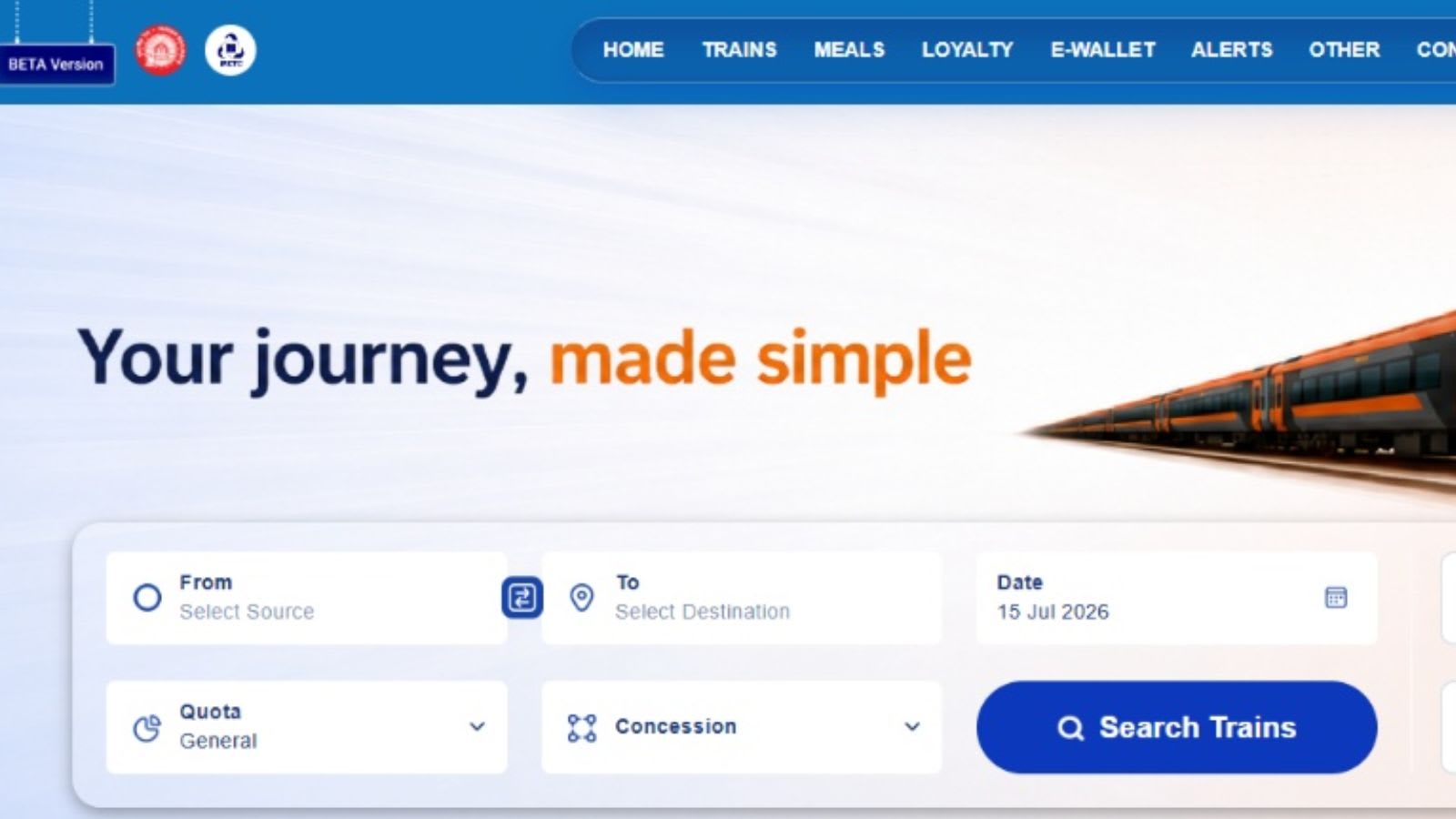
IRCTC has launched the beta version of its new website designed to simplify the train ticket booking process for millions of passengers across India.
IRCTC Modernizes Digital Infrastructure: Analysis of the New Beta Website Launch
The Indian Railway Catering and Tourism Corporation (IRCTC) has officially rolled out the beta version of its new website, marking a significant step in the digitalization of India's rail transport system. This update, sanctioned by the Ministry of Railways, aims to streamline the ticket booking process, making it more intuitive and accessible for the general public. By introducing a simplified five-step booking process, the organization is addressing long-standing user complaints regarding the complexity and clunkiness of the previous interface.
The Strategic Importance of a Beta Rollout
The decision to launch a "beta" version is a critical strategic move. In software development, a beta release allows the organization to test the platform in a real-world environment with actual users before a full-scale deployment. For a system as massive as IRCTC, which handles millions of concurrent requests—particularly during the high-pressure Tatkal booking windows—this phase is essential. It enables the technical team to identify bottlenecks, fix bugs, and optimize server response times without risking a total system collapse during peak hours. This agile approach suggests a shift toward modern software engineering practices within Indian government digital services.
Enhancing User Experience (UX) and Accessibility
The emphasis on a "5 simple steps" booking process indicates a focused effort on User Experience (UX) design. For years, the IRCTC portal has been criticized for its cluttered layout and confusing navigation. By distilling the journey from search to payment into five clear steps, IRCTC is reducing the cognitive load on the user. This is especially vital for first-time users or those in rural areas who may not be digitally literate. A more streamlined interface not only improves customer satisfaction but also reduces the likelihood of transaction errors and session timeouts, which have historically been major pain points for travelers.
Technological Scalability and the Digital India Vision
Beyond the visual interface, the launch of a new website typically implies upgrades to the underlying backend infrastructure. To support a more fluid user journey, the Ministry of Railways likely invested in improved cloud scalability and more robust API integrations. This update aligns perfectly with the broader "Digital India" initiative, which seeks to transform the country into a digitally empowered society. By upgrading the gateway through which the majority of the population accesses rail travel, the government is ensuring that the digital infrastructure can keep pace with the growing number of smartphone users and internet penetration across the subcontinent.
Historical Context and the Evolution of Rail Booking
To understand the significance of this launch, one must look at the evolution of railway ticketing in India. The transition from physical queues at reservation counters to the early days of the IRCTC website was a revolutionary shift. However, as the volume of digital traffic grew, the legacy systems often struggled to maintain stability. This new beta version represents the next evolutionary leap—moving from mere "digitization" (converting a manual process to digital) to "digital transformation" (optimizing the process for the best possible user outcome). It reflects a transition from a utility-based portal to a service-oriented platform.
Future Trends and Anticipated Improvements
Looking forward, this beta launch likely paves the way for more advanced features. We can expect the integration of AI-driven predictive analytics to help users determine the probability of ticket confirmation (Waitlist prediction) more accurately. Furthermore, the simplification of the booking flow suggests that IRCTC may soon integrate more seamless payment options, such as enhanced UPI interfaces and one-click payments, to further reduce the time taken to secure a seat. This trajectory points toward a future where rail travel booking is as seamless as booking a ride-sharing service or an e-commerce product.
Summary
In conclusion, the launch of the new IRCTC beta website is more than just a cosmetic update; it is a necessary infrastructural upgrade. By focusing on a simplified five-step process and employing a cautious beta testing phase, IRCTC is prioritizing stability and user-centricity. This move not only improves the daily commute for millions but also reinforces the technological maturity of India's public transport systems.