'Black Smoke' Chokes Pakistan Maternity Ward As Hospital Fire Kills 14 Infants
Source Entity
NDTV News Search Records Found 1000
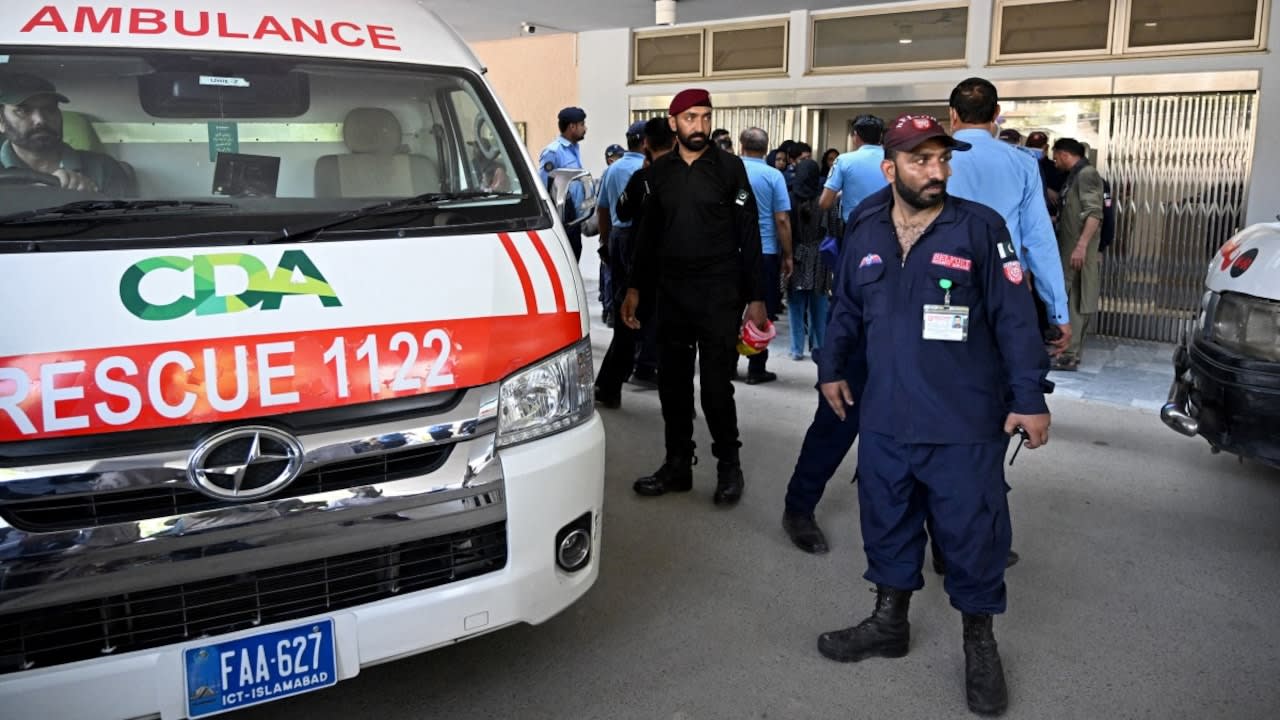
A tragic fire at the Pakistan Institute of Medical Sciences (PIMS) maternity ward in Islamabad resulted in the deaths of 14 to 15 infants. The blaze, reportedly caused by an air-conditioning compressor explosion or short circuit, has sparked controversy regarding hospital safety protocols and emergency response times.
Tragedy at Pakistan Institute of Medical Sciences
A devastating fire erupted on Wednesday morning at the Pakistan Institute of Medical Sciences (PIMS) in Islamabad, resulting in the loss of 14 to 15 newborn lives. The blaze, which reportedly originated in the hospital's gynaecological ward around 6:45 AM, has sent shockwaves through the nation, raising urgent questions about infrastructure maintenance and fire safety standards in government-run medical facilities.
The Cause and Immediate Response
Preliminary reports suggest the fire was triggered by a technical failure within the hospital's infrastructure. Multiple sources, including rescue personnel, have indicated that an air-conditioning compressor explosion or a short circuit in the cooling system served as the catalyst for the inferno. While rescue teams managed to douse the flames and initiate cooling operations, the rapid spread of smoke through the ward created a chaotic environment, leaving families scrambling for the safety of their newborns.
Contested Safety Protocols
Central to the unfolding investigation is the state of the ward's accessibility during the emergency. Witnesses and grieving parents have expressed frustration, alleging that the ward door was locked, which they claim hindered escape efforts and delayed rescue. Conversely, hospital officials have issued a rebuttal, stating that the door was not locked but was instead being manned by security guards specifically assigned to protect the infants. This discrepancy highlights a critical tension between security measures and emergency egress requirements.
The Human Impact
Accounts from those present, such as Hivsa Walid, illustrate the sheer terror of the event. Walid, who was at the facility to support a relative who had recently given birth, described a scene of confusion and panic. Her experience—fleeing without belongings to save a newborn—reflects the harrowing reality faced by families who expected a place of healing but instead encountered a disaster. The emotional toll on these families is compounded by allegations that they were left waiting for hours for adequate assistance.
Broader Implications for Healthcare Infrastructure
This tragedy serves as a grim indictment of the maintenance standards within public health institutions. The reliance on aging infrastructure, such as air-conditioning units that pose fire risks, suggests a systemic failure in routine safety audits. In a capital city like Islamabad, where PIMS is intended to be a premier medical facility, the inability to prevent or quickly contain a fire in a high-risk area like a nursery points toward a need for immediate nationwide reform in hospital fire safety regulations.
Future Trends and Oversight
Moving forward, the incident will likely trigger a high-level inquiry into the operational practices at PIMS. Beyond the immediate forensic investigation into the electrical failure, there will be increased public and political pressure to upgrade fire suppression systems and emergency evacuation training for hospital staff. Ensuring the safety of the most vulnerable patients requires not only updated equipment but also a robust culture of transparency regarding emergency protocols, ensuring that 'security' measures never again impede the preservation of life.
Multiple Citing Sources
Verification Required?