India rejects UN panel’s observations on its ‘rights violations’
Source Entity
The Indian Express
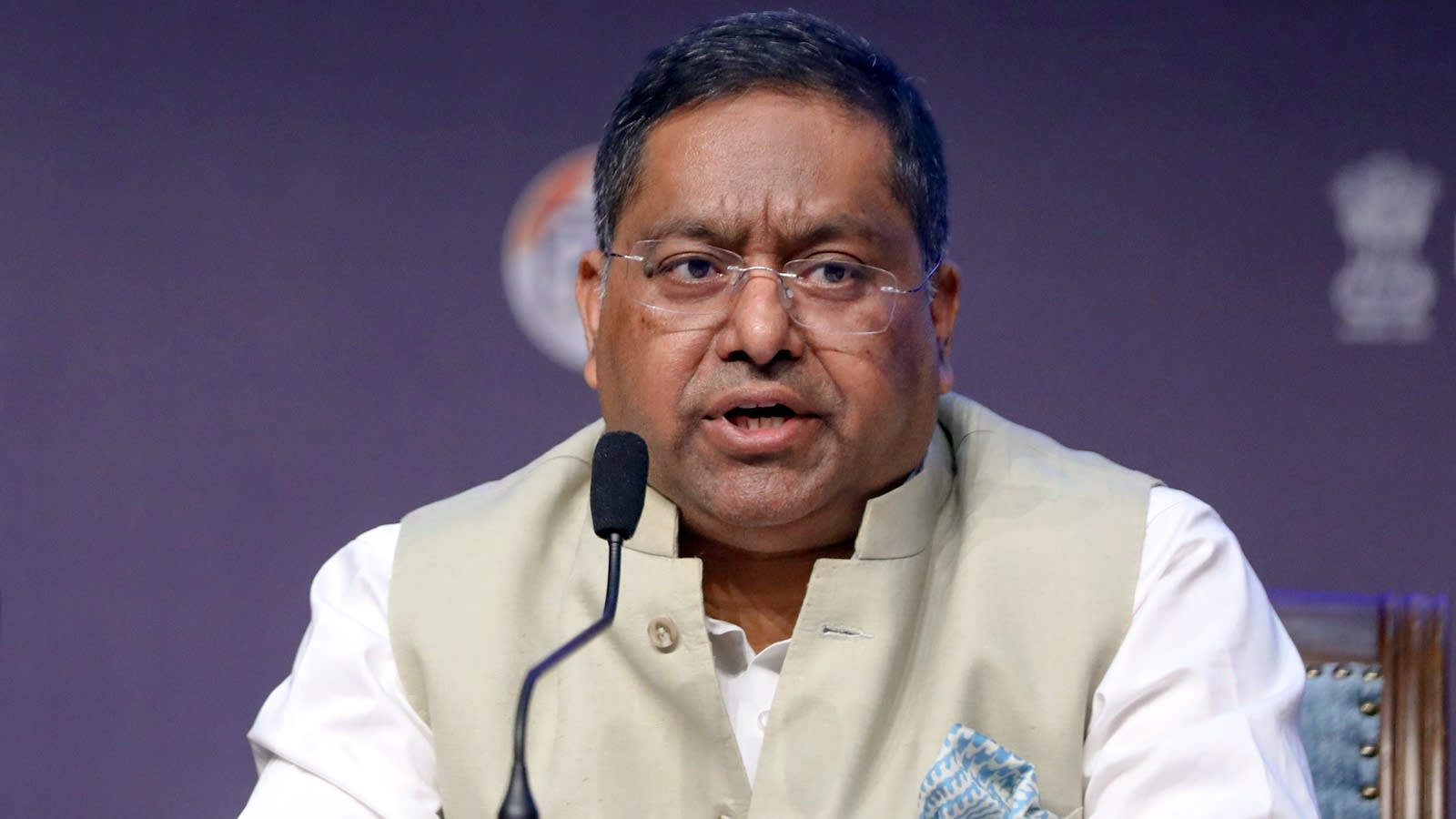
The Indian government has dismissed a UN committee report alleging human rights violations against ethnic and religious minorities as politically motivated and malicious. New Delhi maintains its commitment to combating discrimination while rejecting the panel's calls to suspend domestic policies like the NRC.
India Rejects UN Panel Findings on Human Rights
The Stance of the Indian Government
In a firm diplomatic response, the Indian Ministry of External Affairs (MEA), represented by spokesperson Randhir Jaiswal, has categorically rejected a report issued by the UN Committee on the Elimination of Racial Discrimination (UNCERD). The government described the panel’s observations—which allege widespread discrimination against Scheduled Tribes, Scheduled Castes, and Rohingya refugees—as "politically motivated" and "highly malicious." India maintains that its national commitment to equality and the elimination of racial discrimination remains steadfast and unwavering.
Core Concerns Raised by UNCERD
The UNCERD report, finalized following a review session that also included evaluations of nations like Finland and Honduras, expressed grave concern regarding the treatment of marginalized groups in India. The committee specifically highlighted reports of extra-judicial killings, arbitrary detention, and sexual violence allegedly perpetrated by law enforcement. Furthermore, the panel pointed to an increase in operations targeting Rohingya, Bengali-speaking Muslims, and asylum-seekers, linking these actions to specific legislative orders and security incidents, such as the April 2025 Pahalgam attack in Kashmir.
Policy Disputes: The NRC and SIR
Beyond allegations of physical abuse, the UN committee has waded into India’s internal administrative policies. The panel explicitly called for the suspension of the National Register of Citizens (NRC) and a revision of the Special Intensive Revision (SIR) process. The committee claimed that these mechanisms have led to the disenfranchisement of over nine million people in West Bengal. By intervening in these specific domestic processes, the UN has positioned itself in direct opposition to the Indian government's approach to migration and citizenship verification.
Geopolitical Implications
The tension between New Delhi and UN human rights bodies is not a new phenomenon, but the intensity of this exchange reflects growing friction over how international standards are applied to India's internal security and administrative policies. The mention of the 2025 Pahalgam attack suggests that the UN is attempting to link broader human rights monitoring with specific, localized security challenges, a move that the Indian government views as an infringement on its sovereign right to maintain internal order.
Future Trends and Diplomatic Trajectory
Looking ahead, this rejection signals that India will continue to prioritize its domestic legislative framework over international recommendations that it deems interference. The government’s use of strong language indicates a strategy of "defensive diplomacy," where New Delhi frames such reports as biased tools used by international actors to undermine its national sovereignty. As India continues to assert its role as a global power, expect further friction with international bodies regarding the intersection of security operations and human rights protocols.