Scottish Highlands benefiting from 'coolcation' trend
Source Entity
BBC News
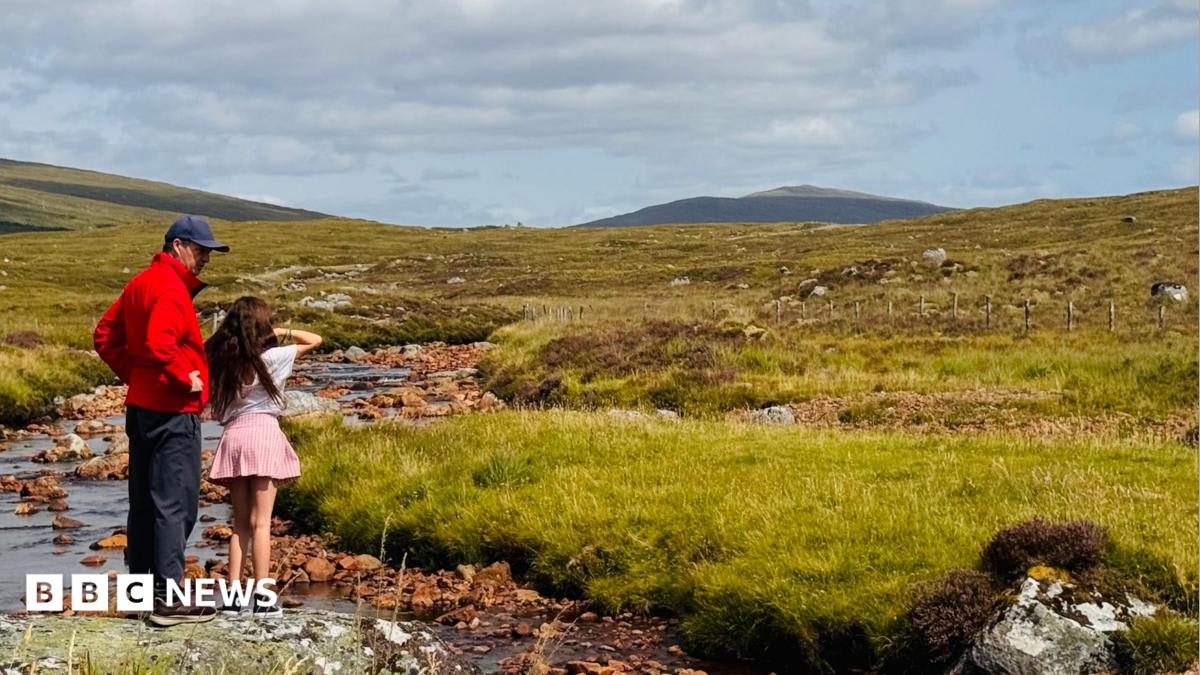
The Scottish Highlands are experiencing a tourism surge as travelers pivot to 'coolcations' to escape southern Europe's extreme heat. This shift highlights how climate change is fundamentally altering traditional tourism patterns across the continent.
The Rise of the 'Coolcation': A New Era for Scottish Tourism
Recent reports indicate a significant transformation in the travel industry as the Scottish Highlands emerge as a primary beneficiary of the 'coolcation' trend. As record-breaking heatwaves, persistent droughts, and devastating wildfires plague traditional summer hotspots in southern Europe, travelers are increasingly seeking refuge in the cooler, more temperate climates of northern Europe. This shift represents more than just a seasonal preference; it marks a fundamental change in how global tourists navigate an environment altered by climate change.
Shifting Perspectives on Highland Weather
Historically, the Scottish Highlands were often perceived by tourists as destinations hampered by unpredictable weather, characterized by frequent rain and the presence of midges. However, anecdotal evidence from local industry experts, such as James MacLeod of the Glencoe House Hotel, suggests that these concerns are being overshadowed by the desire for thermal comfort. The narrative has shifted from 'beautiful but wet' to 'comfortably cool,' indicating that travelers are now prioritizing escape from extreme heat over traditional notions of 'sunny' vacation weather.
Climate Change as a Catalyst
Climate change is effectively redrawing the map of European summer tourism. As southern European nations struggle with the logistical and environmental consequences of extreme heat, northern regions are finding themselves uniquely positioned to capitalize on this volatility. The 'coolcation' is no longer a niche preference but a growing market segment driven by the necessity of avoiding the health risks and discomfort associated with southern summer temperatures.
Economic Implications and Regional Growth
Early data suggests that this trend is already translating into tangible economic growth for Scotland. By attracting visitors who are specifically fleeing the heat, the region is diversifying its tourism base and extending its appeal beyond traditional peak seasons. This influx of visitors brings both opportunities and challenges for infrastructure, as local hospitality sectors must adapt to manage increased demand from a new demographic of climate-conscious travelers.
Future Trends in European Travel
Looking ahead, the 'coolcation' phenomenon is likely to persist as long as temperature anomalies continue to plague the Mediterranean and southern regions. We can expect to see northern European nations investing more heavily in marketing their temperate climates as a primary competitive advantage. As tourists become more climate-resilient in their planning, the seasonality of European travel will continue to evolve, potentially leading to a more balanced distribution of tourism revenue across the continent throughout the year.
Conclusion
The emergence of the Scottish Highlands as a premier 'coolcation' destination underscores the growing impact of climate reality on the global travel industry. While the shift is currently a boon for local economies, it serves as a stark reminder of the broader environmental changes reshaping our world. For now, the Highlands stand as a sanctuary for those seeking to escape the heat, signaling a new, permanent chapter in the narrative of international tourism.