9/11 'Mastermind' Khalid Sheikh Mohammed To Face Trial In 2028: Report
Source Entity
NDTV News Search Records Found 1000
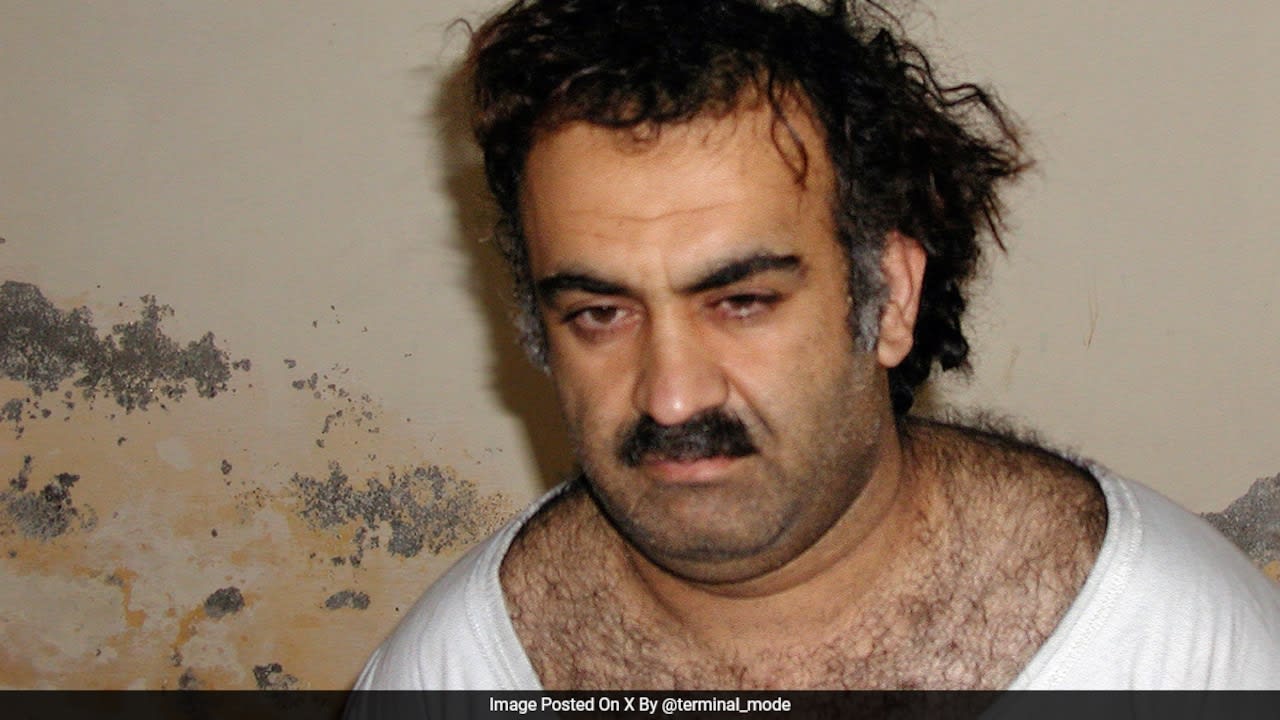
Khalid Sheikh Mohammed, a former top lieutenant to Osama bin Laden, is reportedly scheduled to face trial in 2028. Captured in 2003, he remains a central figure in the legal proceedings regarding the 9/11 attacks.
The Long Road to Accountability: Khalid Sheikh Mohammed’s Impending Trial
A Decades-Long Legal Saga
The announcement that Khalid Sheikh Mohammed, widely recognized as the principal architect of the September 11, 2001, terrorist attacks, is slated to face trial in 2028 marks a significant, albeit delayed, milestone in international counter-terrorism justice. As a high-ranking lieutenant to Al-Qaeda leader Osama bin Laden, Mohammed’s capture in March 2003 in Pakistan was hailed as a major victory in the early stages of the Global War on Terror. However, the subsequent years have been defined by complex legal hurdles, jurisdictional debates, and the logistical challenges inherent in prosecuting high-profile detainees held by the United States.
The Historical Context of Capture
To understand the gravity of this upcoming trial, one must revisit the capture of Mohammed in Rawalpindi, Pakistan, in 2003. At the time, his apprehension was considered a turning point, providing the United States with unprecedented intelligence regarding Al-Qaeda's operational structure. This capture came during a period of intense geopolitical scrutiny as the international community grappled with the aftermath of the 9/11 attacks and the subsequent invasion of Afghanistan. The delay between his capture and the projected 2028 trial date underscores the immense difficulties of the military commission process and the constitutional questions surrounding the treatment of detainees at Guantanamo Bay.
Implications for International Justice
The 2028 trial date raises critical questions about the efficacy of military commissions compared to civilian federal courts. By setting a timeline, authorities are attempting to provide closure to the families of the victims of the 9/11 attacks, a process that has been stalled for over two decades. This trial will undoubtedly reignite debates over the rule of law, the ethics of detention, and the transparency of a judicial system that has struggled to reconcile national security imperatives with the fundamental rights of the accused.
The Future of Counter-Terrorism Prosecutions
Looking ahead, the trial of Khalid Sheikh Mohammed will serve as a definitive case study for future counter-terrorism prosecutions. The legal precedents set during these proceedings will likely influence how governments manage high-value detainees and the evidentiary standards required for complex conspiracy charges. The extended timeline reflects the reality that in cases of global terrorism, the pursuit of justice is often a generational endeavor, subject to shifting political landscapes and evolving legal interpretations.
Conclusion: Moving Toward Resolution
While 2028 remains several years away, the establishment of a trial date is a necessary step toward addressing the crimes of the past. The case of Khalid Sheikh Mohammed remains inextricably linked to the history of Al-Qaeda and the broader conflict that reshaped 21st-century global politics. As the world awaits the proceedings, the focus will remain on the integrity of the judicial process and the ultimate goal of ensuring that those responsible for the most significant terrorist attack in modern history are held accountable within the framework of the law.
Verification Required?