Lindsay Clancy trial outcome: Could her paralysis change verdict? Former killer mom prosecutor predicts big twist
Source Entity
Latest News: Todays Latest News Headlines from India & World | Hindustan Times | Hindustan Times
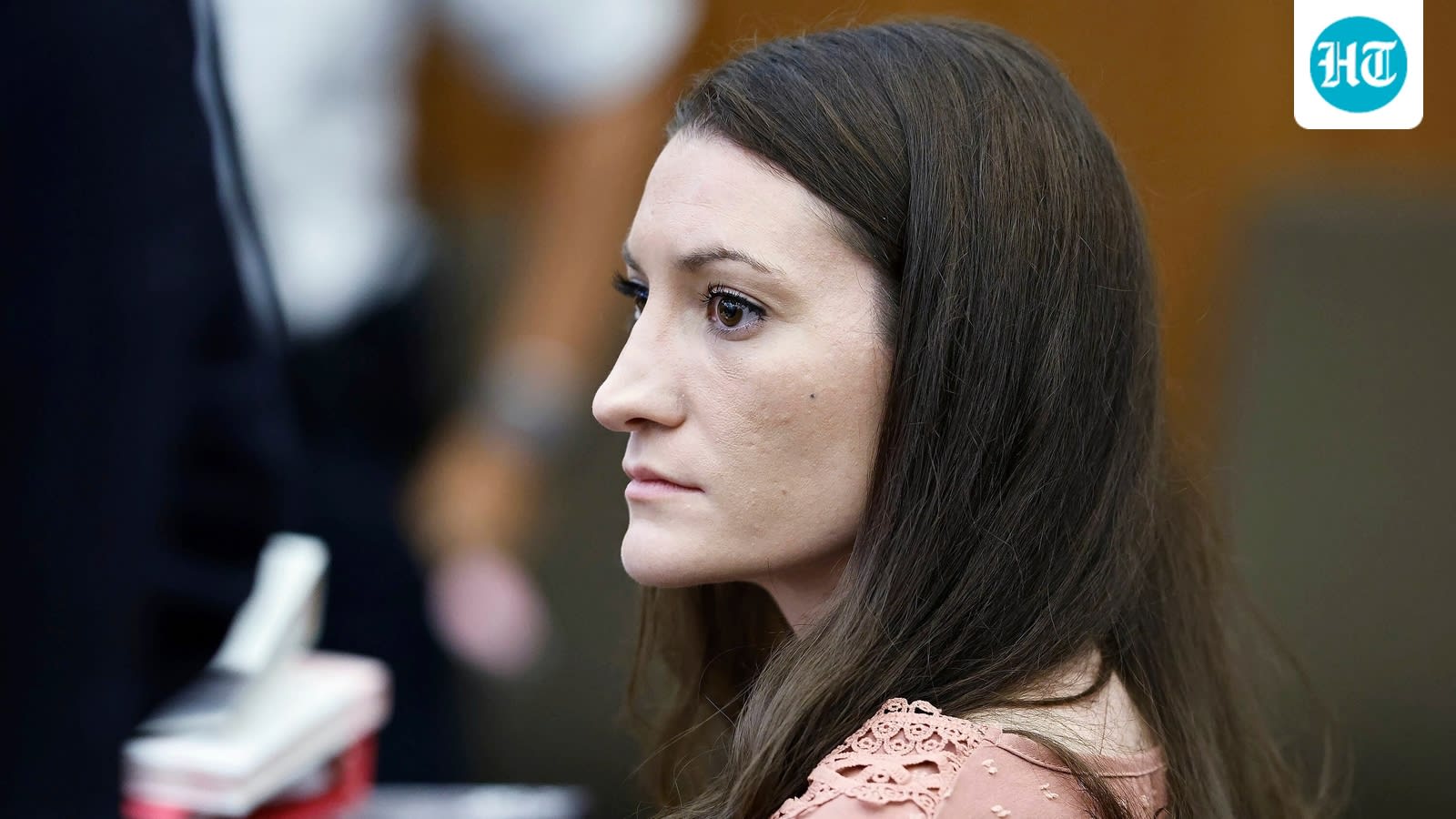
The murder trial of Lindsay Clancy is nearing its conclusion as the jury prepares to weigh claims of postpartum psychosis against prosecution arguments of criminal responsibility. Former prosecutor Tommy Pope suggests that Clancy's physical paralysis and the nature of the defense could lead to an unpredictable verdict.
The High-Stakes Trial of Lindsay Clancy
The criminal trial of Lindsay Clancy, who is accused of killing her three children, has reached a critical juncture. As the proceedings move toward closing arguments, the central conflict remains a battle over mental capacity and criminal intent. Clancy does not dispute the act of killing her children but asserts that she was suffering from severe postpartum psychosis, a condition she argues rendered her not criminally responsible for her actions.
The Role of Postpartum Psychosis as a Legal Defense
The defense’s reliance on postpartum psychosis places a heavy burden on the jury to distinguish between a medical crisis and criminal premeditation. Postpartum psychosis is a rare but severe mental health condition that can cause hallucinations, delusions, and a detachment from reality. The prosecution, however, maintains that Clancy possessed the necessary awareness and understanding of her actions at the time of the incident, framing the tragedy as a calculated event rather than a symptom of an uncontrollable psychological break.
Expert Perspectives on Jury Dynamics
Tommy Pope, a former prosecutor known for his work on the high-profile Susan Smith case, has offered a unique perspective on the potential outcome. Pope suggests that the jury’s decision may be influenced by factors beyond the clinical evidence. Specifically, he challenges the assumption that female jurors will naturally sympathize with Clancy due to personal experiences with postpartum depression. Instead, he posits that the complexity of the testimony and the gravity of the charges will likely lead to a rigorous, unpredictable deliberation process.
The Impact of Physical Paralysis on Juror Perception
One of the most nuanced aspects of this trial is the impact of Clancy’s current physical state. Following the incident, Clancy suffered paralysis, a factor that Pope suggests could subconsciously alter how jurors perceive her. The presence of a defendant who is visibly incapacitated may complicate the jury's ability to reconcile the image of a mother suffering from a mental health crisis with the horrific nature of the crimes committed. This physical reality adds a layer of human complexity to a trial already burdened by intense emotional weight.
Broader Legal and Social Implications
This trial serves as a significant touchstone for how the legal system addresses mental health crises in parents. The outcome will likely influence future discussions regarding the intersection of psychiatric medicine and criminal law. By forcing a jury to define the boundaries of 'criminal responsibility' in the context of severe mental illness, the Clancy trial highlights the ongoing struggle to balance justice for victims with an understanding of complex medical conditions that can lead to catastrophic outcomes.
Conclusion: Awaiting the Verdict
As the court prepares for closing arguments, the legal community and the public remain focused on the jury's upcoming deliberation. The intersection of medical testimony, the defendant's physical condition, and the prosecution’s counter-arguments creates a volatile environment for a verdict. Regardless of the final decision, the case of Lindsay Clancy will undoubtedly remain a focal point for debates regarding postpartum mental health and the standards of accountability within the American judicial system.
Verification Required?