Somali piracy surges as the impact of the US-Iran war ripples outwards
Source Entity
BBC News
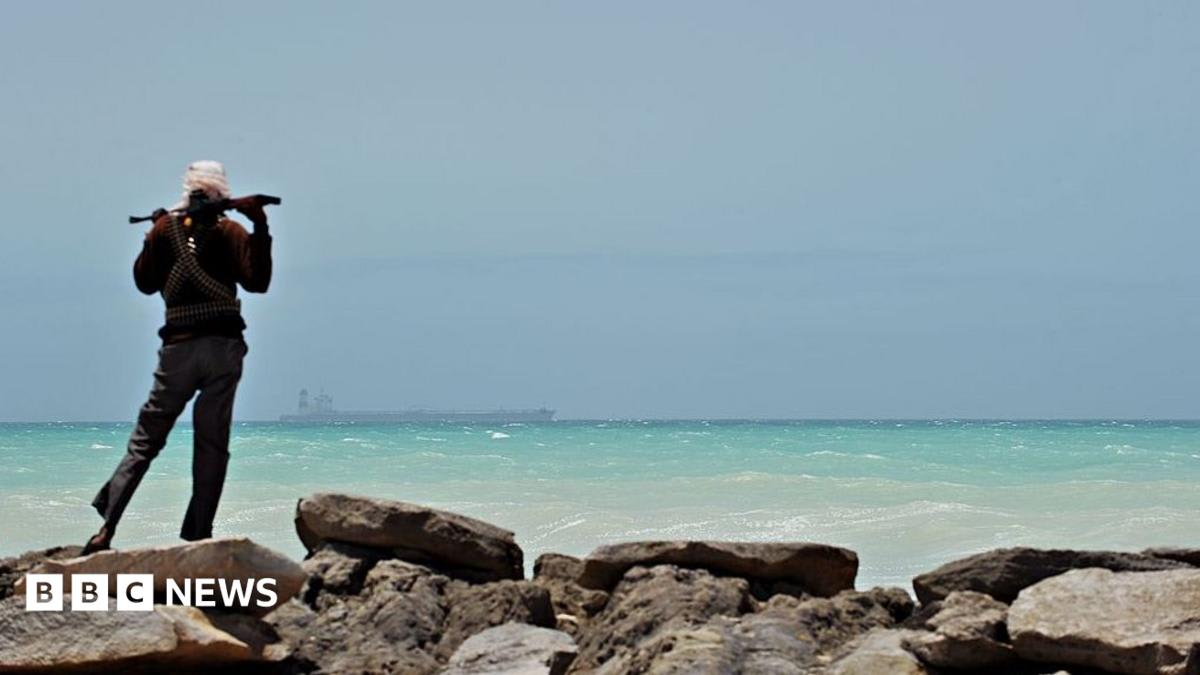
Somali piracy is experiencing its largest resurgence in over a decade due to regional instability linked to the US-Iran conflict. This escalation in the Gulf of Aden has prompted rare drone strikes against pirate vessels to protect vital shipping lanes.
The Resurgence of Somali Piracy: A Consequence of Regional Conflict
A Decade-High Surge in Maritime Insecurity
The maritime security landscape in the Gulf of Aden and the Indian Ocean is currently undergoing its most significant period of instability in over ten years. With at least 13 vessels attacked since the beginning of the year—including two seizures occurring within a four-day window last week—the resurgence of Somali piracy has shifted from a dormant threat to an immediate crisis for the international shipping community. This rapid escalation signals a return to the volatile conditions that once necessitated massive global naval task forces to safeguard one of the world's most vital trade arteries.
The Geopolitical Catalyst: The US-Iran Conflict
The primary driver behind this resurgence is the spillover effect from the ongoing conflict between the United States and Iran. As regional waterways further north face maritime blockades and military posturing, the focus of naval assets has been diverted toward managing state-level tensions. This shift in maritime surveillance has inadvertently created a power vacuum, allowing criminal networks to operate with renewed impunity. The volatility in the region has essentially provided the cover necessary for pirate syndicates to re-mobilize.
Opportunistic Criminality in a Power Vacuum
As noted by Omar Mahmood of the International Crisis Group, piracy remains fundamentally a crime of opportunity. The current regional instability has effectively lowered the threshold for risk that pirate groups are willing to take. By exploiting the diversion of international naval resources, these groups are successfully identifying and targeting cargo vessels that are already navigating through a high-pressure environment. The intersection of local socio-economic grievances in Somalia and the broader geopolitical friction between Tehran and Washington has created a perfect storm for these maritime threats.
Unprecedented Military Responses
The severity of these recent hijackings has forced a shift in tactical responses. The use of drone strikes against pirate vessels marks an escalation in the counter-piracy strategy, representing a departure from traditional naval interdiction and boarding techniques. This tactical shift underscores the gravity with which international powers view the threat to global supply chains. By utilizing advanced aerial surveillance and precision strikes, military forces are attempting to re-establish deterrence in an area where conventional patrols have proven insufficient.
Broader Implications for Global Trade
The Gulf of Aden serves as a critical gateway for global commerce, linking the Suez Canal to the Arabian Sea. Any sustained disruption in this area does not merely threaten the individual vessels seized; it increases insurance premiums, drives up shipping costs, and causes significant delays in the delivery of essential goods. Should this surge in piracy persist, it could lead to the permanent re-routing of commercial fleets, further exacerbating the economic strain already caused by the broader US-Iran conflict.
Future Trends and Outlook
Looking ahead, the stability of these waters remains inextricably linked to the resolution of the broader regional conflict. Unless the maritime security architecture in the region is bolstered to manage both state-level naval threats and non-state criminal actors, the risk to commercial shipping will likely remain elevated. Future efforts will likely focus on an integrated approach, combining high-tech surveillance with strengthened regional cooperation to address the root causes of why piracy is once again being viewed as a viable, albeit dangerous, opportunity by local actors.