Israel’s Netanyahu and Eisenkot parties fail to reach agreement in second round of coalition talks
Source Entity
Latest News: Todays Latest News Headlines from India & World | Hindustan Times
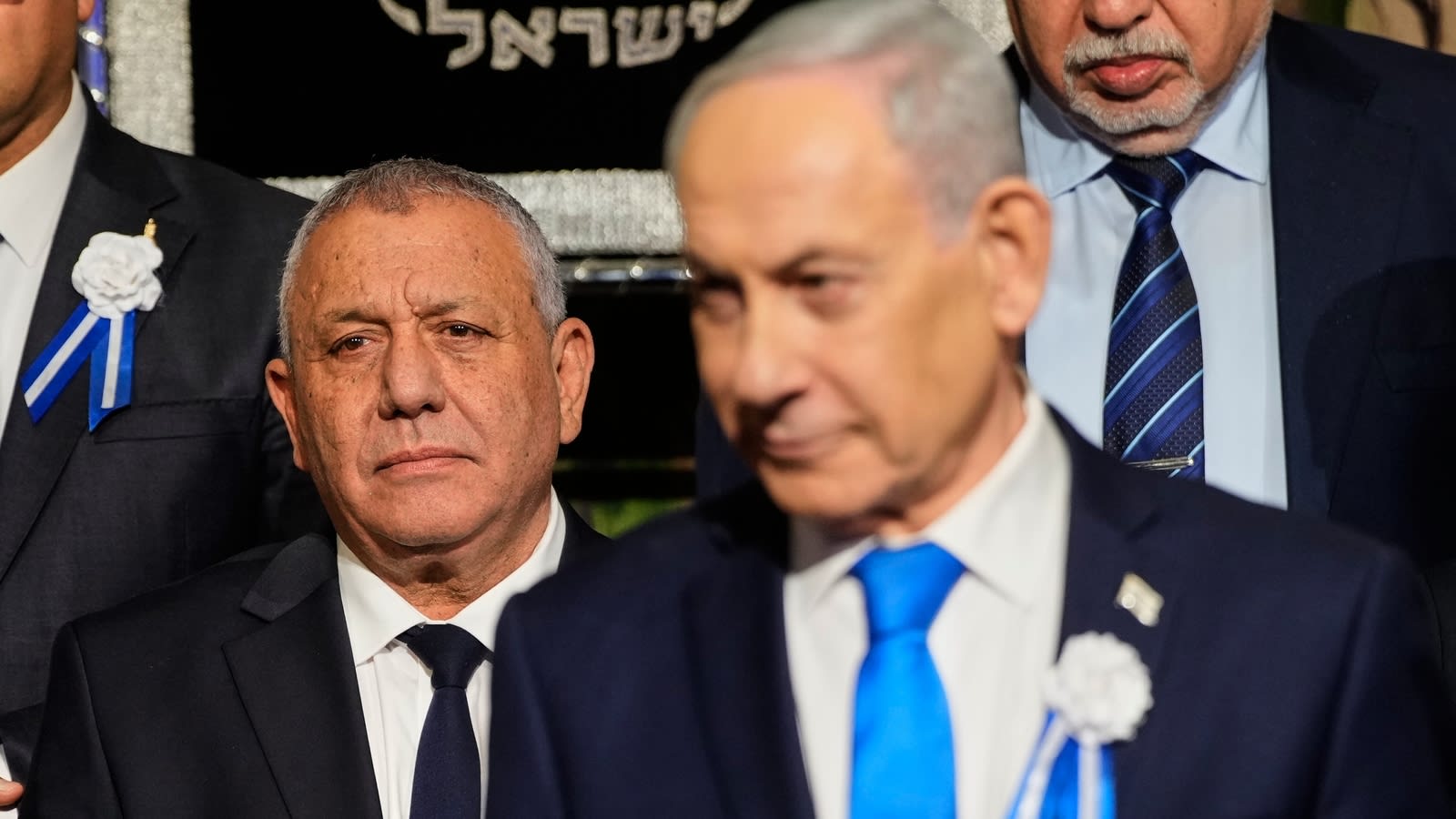
Coalition talks between Benjamin Netanyahu's Likud party and Gadi Eisenkot's Yashar party have stalled after a four-hour meeting. Eisenkot faces a December 6 deadline to form a government as political deadlock continues in Israel.
Stalled Coalition Talks: Israel's Ongoing Political Deadlock
The Failure of Recent Negotiations
The political landscape in Israel remains characterized by deep instability following the latest failed round of coalition negotiations between caretaker Prime Minister Benjamin Netanyahu’s Likud Party and Gadi Eisenkot’s Yashar Party. Despite a four-hour meeting held at a hotel in Herzliya, representatives from both sides were unable to bridge their ideological and strategic gaps. While the parties issued a joint statement confirming they had outlined their positions on substantive issues, the lack of a concrete agreement underscores the profound difficulty of forming a governing majority in the current legislative climate.
The Clock Ticking Toward December 6
Gadi Eisenkot is currently operating under a high-pressure timeline, with a firm deadline of December 6 to successfully assemble a governing coalition. This deadline represents a critical juncture for Israeli governance, as the failure to secure a majority could trigger further political volatility or force the nation toward another period of uncertainty. The inability to finalize terms with Likud suggests that Eisenkot’s path to replacing Netanyahu is fraught with procedural and political hurdles that are becoming increasingly difficult to clear as the clock runs down.
The Role of Arab Parties in the Legislative Landscape
A significant factor complicating these coalition efforts is the influence of Arab parties within the legislature. These parties, which secured a record 19 seats, have remained staunchly opposed to Benjamin Netanyahu remaining in power. Netanyahu and his allies have consistently targeted these factions during their political maneuvering, creating a polarized environment that limits the options for coalition building. The refusal of these parties to support a Netanyahu-led government forces other political actors to navigate a narrow path to a majority that does not rely on traditional alliances.
Strategic Maneuvering and the Threat of Defection
Reports suggest that Eisenkot is considering a surprise government reveal, coupled with a swift Knesset vote, as a tactical measure to prevent defections. By attempting to consolidate support quickly, Eisenkot hopes to bypass the protracted negotiations that often provide opponents with the time necessary to destabilize a nascent coalition. This strategy highlights the fragile nature of the current Knesset, where individual member loyalty is frequently tested by competing political interests and the constant threat of early elections.
Broader Implications for Israeli Governance
The ongoing deadlock reflects a systemic challenge in the Israeli political system, where the fragmentation of seats makes the formation of stable, long-term governments exceedingly rare. The inability of major parties to find common ground not only stalls domestic policy but also leaves the country in a state of suspended animation regarding its legislative agenda. As these talks continue without a clear timeframe for the next session, the stability of the state remains in question, with the potential for further electoral cycles looming if a breakthrough is not achieved by the December 6 deadline.
Verification Required?