US intelligence chief says Putin is ‘not America’s friend,’ but defends Trump’s remark
Source Entity
Latest News: Todays Latest News Headlines from India & World | Hindustan Times
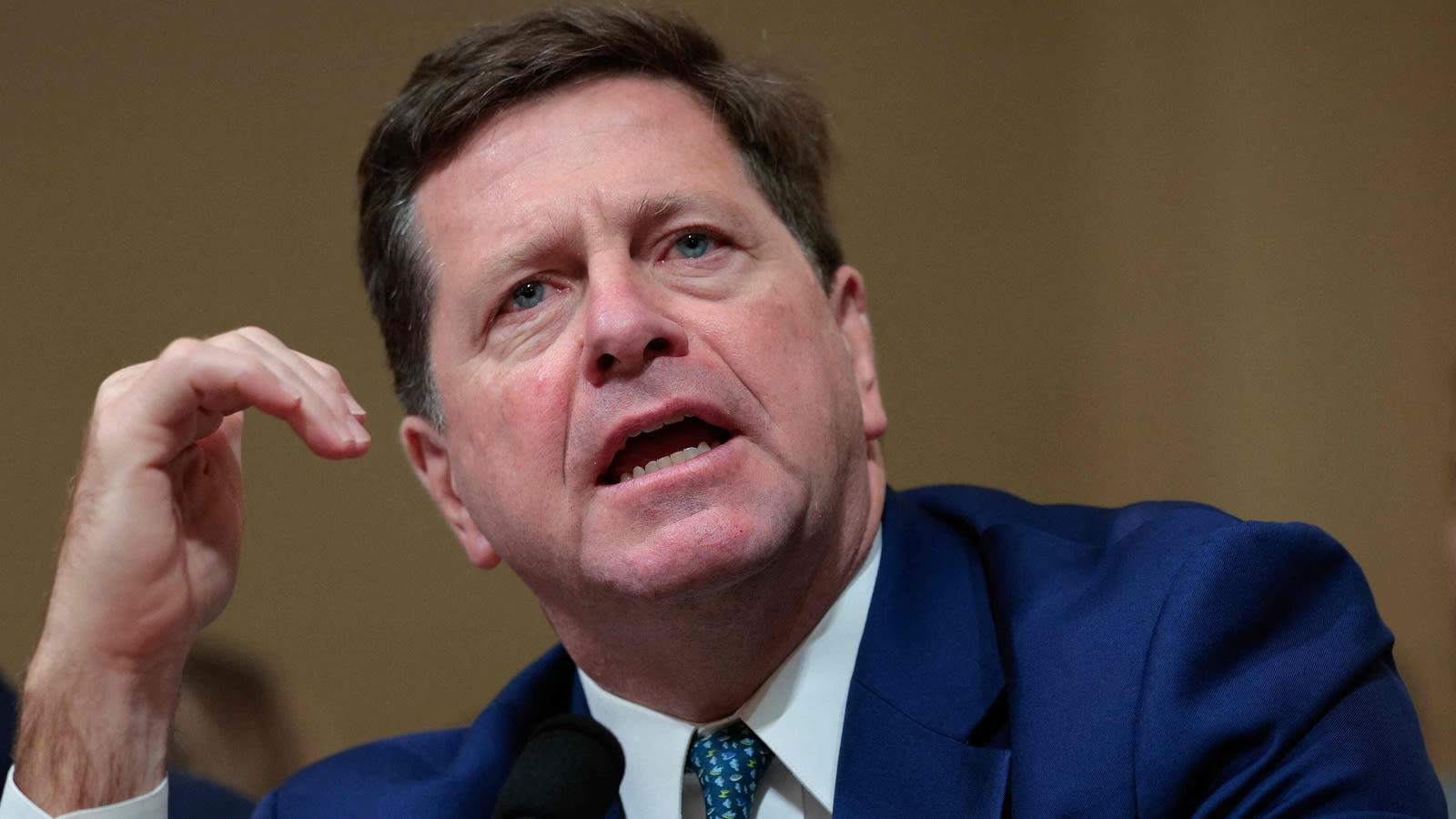
US Director of National Intelligence Jay Clayton defended President Trump's use of the term 'friend' for Vladimir Putin as diplomatic protocol. However, he explicitly clarified that Putin remains an adversary regarding the ongoing conflict in Ukraine.
Diplomatic Nuance vs. Geopolitical Reality: The Putin-Trump Narrative
Recent statements made by U.S. Director of National Intelligence Jay Clayton have ignited a complex debate regarding the intersection of personal diplomacy and national security. During a hearing before the House Homeland Security Committee, Clayton addressed the controversy surrounding President Donald Trump’s characterization of Russian President Vladimir Putin as a "friend" during a high-stakes summit in China. This discourse highlights the delicate balance modern leaders must strike between fostering open lines of communication with global superpowers and maintaining a firm stance on international aggression.
The Context of the 'Friend' Remark
The controversy stems from a rare three-way meeting between the leaders of the United States, Russia, and China. Within the framework of international diplomacy, such meetings are intended to de-escalate tensions between the world's largest nuclear powers. Clayton defended the President’s choice of words, arguing that such labels are often used as tools of statecraft to maintain rapport during sensitive negotiations. By framing the interaction as "entirely appropriate" for a leadership summit, the administration signaled a preference for personal diplomacy as a mechanism to manage global instability.
The Strategic Divide on Ukraine
Despite the defense of the terminology, Clayton provided a critical caveat that serves as the cornerstone of current U.S. foreign policy: Vladimir Putin is "not America’s friend in Ukraine." This distinction is vital, as it separates the diplomatic necessity of dialogue from the underlying reality of the conflict. The war in Ukraine remains the primary point of friction, where Russian actions have directly undermined the security interests of the United States and its European allies. By drawing this line, the intelligence community asserts that tactical engagement does not equate to ideological alignment.
Impact on Transatlantic Alliances
President Trump's description of Putin has met with significant pushback from European allies who view Russia’s actions in Ukraine as a direct threat to regional stability. These nations rely heavily on the United States for security guarantees, and the perception of a personal bond between the American and Russian leaders has created anxiety regarding the future of NATO and the commitment to Ukraine’s sovereignty. The tension highlights a growing rift between the executive branch’s diplomatic approach and the traditional security concerns held by European partners.
Domestic Political Repercussions
The internal political fallout has been equally sharp, with Democratic lawmakers labeling the President's comments a betrayal of American values. This criticism underscores a broader disagreement within the U.S. government on how to engage with autocratic regimes. While some argue that personal rapport is the only way to prevent nuclear escalation, others contend that such language grants legitimacy to a leader actively working against American interests. This debate is expected to continue shaping the legislative agenda regarding foreign policy and national security oversight.
Looking Toward Future Trends
As the U.S. continues to navigate its relationships with China and Russia, the tension between personal rhetoric and policy reality will likely intensify. The reliance on high-level summits to manage global power dynamics suggests that future administrations will continue to face similar tests of transparency and strategic communication. Moving forward, the effectiveness of this diplomatic strategy will be judged not by the language used in summit rooms, but by the tangible impact on the security situation in Ukraine and the long-term stability of global power structures.
Verification Required?