18th U.P. Legislative Assembly sits less than 90 days, experts point to unhealthy concentration of power in the Executive
Source Entity
India Latest News: Top National Headlines Today & Breaking News | The Hindu
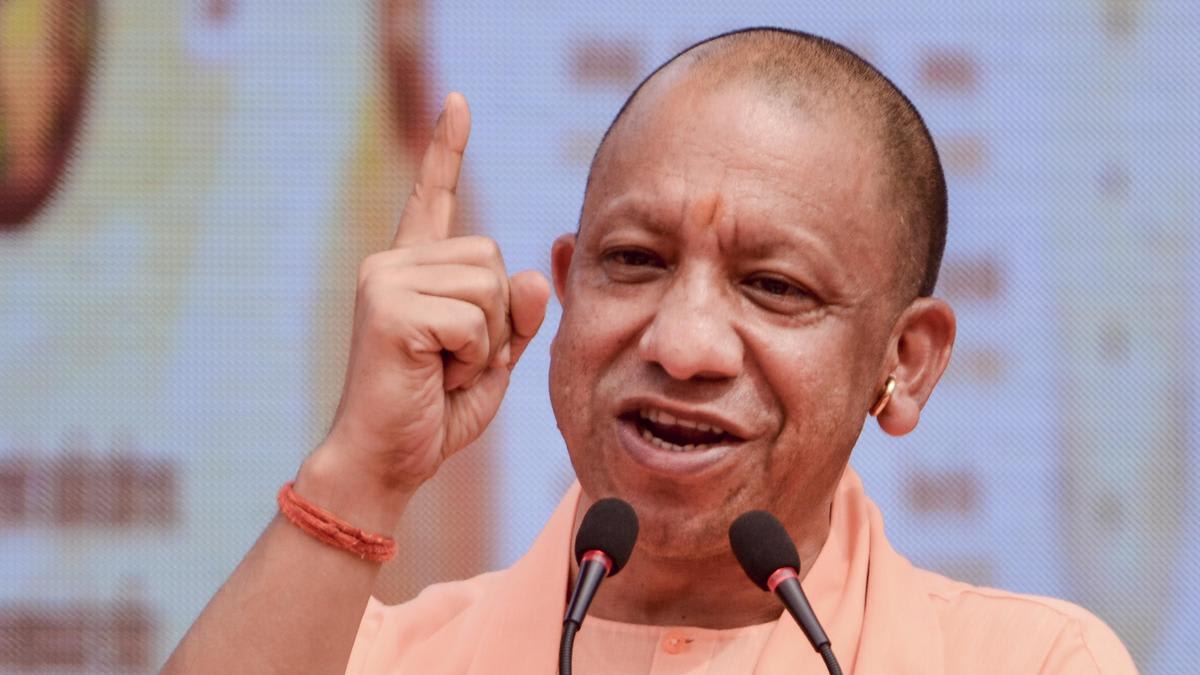
The 18th Uttar Pradesh Legislative Assembly has faced criticism for meeting only 84 days over five years, averaging just 17 days annually. Constitutional experts argue this limited duration undermines legislative oversight and prevents MLAs from effectively addressing public concerns.
The Erosion of Legislative Oversight in Uttar Pradesh
The 18th Uttar Pradesh Legislative Assembly, spanning from May 2022 to March 2027, is nearing its conclusion with a record that has drawn sharp criticism from constitutional experts and opposition leaders alike. Having functioned for a total of only 84 days, the assembly has averaged a mere 17 days of activity per year. This limited operational window raises profound questions about the health of democratic processes in India’s most populous state, where the legislature serves as the primary forum for accountability and public discourse.
The Concentration of Executive Power
At the heart of the concern is an unhealthy concentration of power within the Executive branch. When a legislative body meets so infrequently, its ability to act as a check on the government is significantly diminished. The legislature is intended to be the crucible where policy is debated, budget allocations are scrutinized, and executive actions are held to account. By functioning for such a short duration, the assembly risks becoming a passive spectator rather than an active participant in governance, effectively bypassing the constitutional safeguards designed to prevent the overreach of administrative authority.
Impact on Representative Democracy
For the 250 million citizens of Uttar Pradesh, the assembly is the primary venue for their elected representatives to voice concerns. When MLAs are denied the opportunity to participate in frequent sessions, they lose the critical platform needed to raise constituency-centric issues. This disconnect between the legislature and the populace can lead to a sense of disenfranchisement, as the democratic mandate to represent the people is stifled by the lack of parliamentary time. The inability to raise these issues on the floor leaves local problems unaddressed and accountability mechanisms dormant.
Constitutional Expectations vs. Reality
Constitutional experts have highlighted that the current frequency of sessions is contrary to the spirit of the checks and balances envisioned by the architects of the Indian Constitution. In a state of this magnitude, there is a clear consensus among observers that at least 50 days of assembly sessions per year are necessary to ensure meaningful debate and legislative oversight. The failure to meet this benchmark reflects a broader trend of diminishing legislative activity that threatens the foundational principles of representative government.
Future Implications and Reform
As the state approaches upcoming assembly polls, the debate over the functioning of the legislature will likely become a central theme. The legacy of the 18th Assembly serves as a cautionary tale for future administrations. To restore the legislature's role as the voice of the people, there is an urgent need for institutional reforms that mandate a minimum number of sitting days. Without such structural changes, the legislature risks further marginalization, potentially deepening the divide between the state's governance and the needs of its massive, diverse population.
Verification Required?