Israel faces weeks of coalition haggling as Netanyahu’s party claims election 'stolen'
Source Entity
US Top News and Analysis
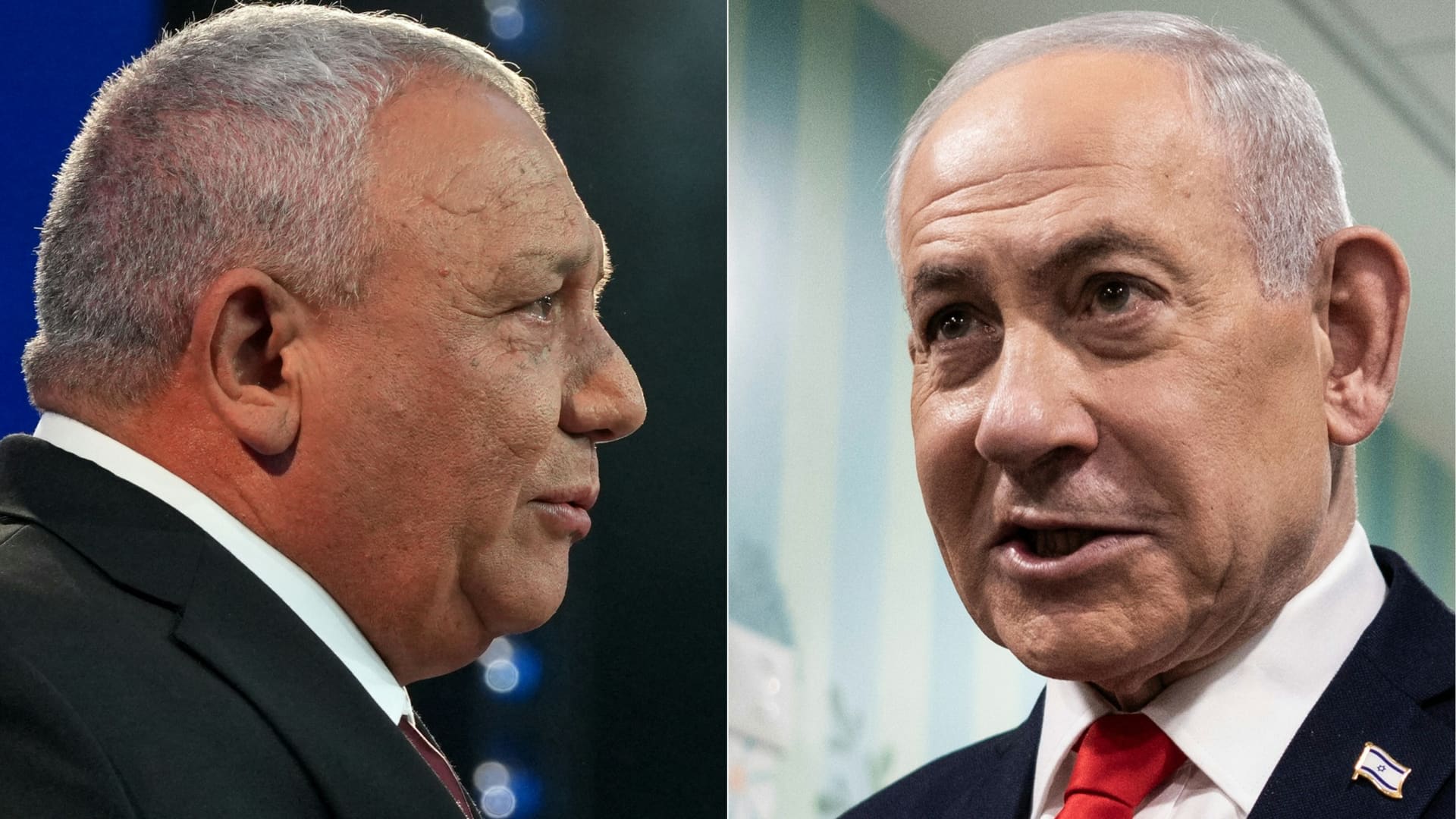
Israel faces a period of intense political instability following an inconclusive election where neither Benjamin Netanyahu's Likud-led bloc nor Gadi Eisenkot's opposition secured a majority. The outcome forces weeks of complex coalition bargaining to reach the 61-seat threshold in the Knesset.
Israel’s Political Impasse: A Nation in Flux
Following the October 2026 elections, Israel finds itself in the grip of a profound political deadlock. With both Prime Minister Benjamin Netanyahu’s right-wing bloc and the opposition coalition led by former military chief Gadi Eisenkot failing to reach the required 61-seat majority in the 120-seat Knesset, the nation faces weeks of arduous coalition negotiations. This stalemate reflects a deeply fractured electorate, struggling to reconcile competing visions for the country's security and future.
The Erosion of the 'Mr. Security' Brand
For decades, Benjamin Netanyahu has built his political identity around the persona of "Mr. Security," positioning himself as the indispensable guardian of Israel. However, the shadow of the October 7, 2023, attack by Hamas looms large over this election cycle. The breach of national security and the subsequent regional conflicts—ranging from confrontations with Hezbollah in Lebanon to broader joint strikes—have severely damaged this narrative. The current election results suggest that the public is increasingly questioning the accountability of the Netanyahu administration regarding these security failures.
The Rise of the Opposition Challenge
Gadi Eisenkot, a former military chief, has emerged as the primary challenger to Netanyahu’s long-standing dominance. His ability to rally an opposition alliance underscores a significant shift in the political landscape. By positioning himself as a viable alternative, Eisenkot has pushed the electoral contest to a razor-thin margin. The opposition now faces the daunting task of cobbling together a governing coalition from a diverse array of political factions, an uphill battle that will test the resilience of Israel’s democratic institutions.
The Mechanics of the Deadlock
With Netanyahu’s Likud party and its hard-right allies securing 53 seats, the math for forming a government is complex. The political climate is further complicated by claims from Netanyahu’s camp that the election was "stolen," a rhetoric that adds a layer of volatility to the post-election period. As the nation pivots to coalition building, the role of smaller parties—such as the Ra'am party led by Mansour Abbas—becomes pivotal. These smaller entities now hold the keys to the kingdom, as they may be courted by both major blocs to bridge the gap toward a majority.
Future Implications and Trends
The coming weeks will be defined by intense horse-trading and political maneuvering. If no clear majority emerges, Israel risks entering a cycle of repeated elections, which could further paralyze the government and economic policy. The trend suggests that Israeli politics is moving away from a single-party dominance model toward a more fragmented system, where coalition stability is increasingly fragile. The ultimate resolution of this crisis will depend on whether leaders can set aside partisan animosity to form a functional government or if the country will remain trapped in this cycle of instability.
Multiple Citing Sources