Five Ways Out Of Israel's Political Deadlock, Most Are In Netanyahu's Favour
Source Entity
NDTV News Search Records Found 1000
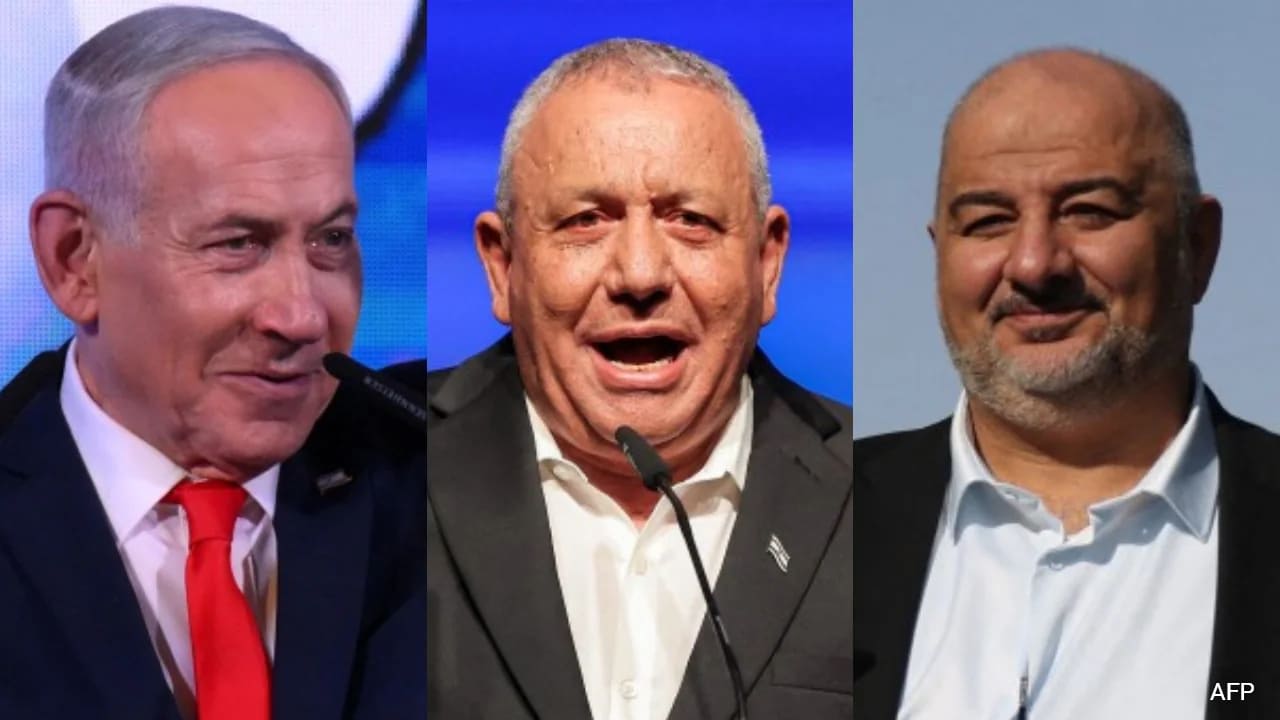
Israel faces a pivotal election on October 27, where Prime Minister Benjamin Netanyahu faces a stiff challenge from former army chief Gadi Eisenkot. The outcome remains uncertain as neither candidate appears to have a clear path to the required 61-seat majority in the Knesset.
The Crossroads of Israeli Governance
Israel stands at a profound political juncture as the nation prepares for the October 27 election. This vote represents perhaps the most significant challenge to the long-standing political dominance of Prime Minister Benjamin Netanyahu. For decades, Netanyahu has defined his premiership through the lens of national security, branding himself as the indispensable guardian of the state. However, the unprecedented Hamas attack on October 7, 2023, has fundamentally altered the domestic political landscape, forcing a re-evaluation of his government’s accountability and strategic competence.
The Security Paradigm Shift
The central tension of this election lies in the erosion of the 'Mr. Security' brand that Netanyahu has cultivated throughout his career. The October 7 events have catalyzed public scrutiny regarding systemic security failures, overshadowing his previous electoral successes. As Israel continues to manage complex confrontations with Hezbollah in Lebanon and other regional actors, the electorate is tasked with deciding whether Netanyahu’s veteran experience remains an asset or if the security architecture under his watch has become a liability that necessitates a change in leadership.
The Rise of Gadi Eisenkot
Emerging as the primary challenger to the status quo is Gadi Eisenkot, a former Chief of Staff of the Israeli Defense Forces. Eisenkot’s trajectory from single-digit polling to a formidable contender for the Knesset suggests a significant shift in voter sentiment. As a former subordinate to Netanyahu, Eisenkot offers a unique contrast: a candidate with deep military credentials who seeks to dismantle the current political deadlock. His potential to become Israel’s first Mizrahi prime minister adds a significant layer to the country’s evolving social and political identity.
The Geometry of Knesset Power
Despite the polling momentum favoring Eisenkot’s Yashar party, the Israeli parliamentary system presents a daunting hurdle. With neither Netanyahu’s Likud-led bloc nor the anti-Netanyahu coalition appearing poised to reach the 61-seat threshold required for a majority, the nation faces the prospect of continued instability. This deadlock emphasizes the fragmented nature of the current electorate and the extreme difficulty of forming a governing coalition without significant compromise from smaller parties, such as Mansour Abbas’s Ra'am party.
Implications and Future Trends
Looking forward, the October 27 vote will likely dictate the trajectory of Israel’s internal security policies and its approach to regional conflicts. If Netanyahu manages to retain power, it will be a testament to his tactical mastery of the Israeli electoral system. Conversely, an Eisenkot victory would signal a generational shift and a potential pivot in military and diplomatic philosophy. Regardless of the winner, the next government will face the immediate, urgent task of addressing the security failures of the past year and reconciling a deeply polarized public.
Conclusion
The upcoming election is not merely a contest between two personalities, but a referendum on the future of Israeli governance. As the nation grapples with the aftermath of the October 7 attacks and ongoing regional hostilities, the electorate’s choice will define the state’s strategic direction for years to come. The inability of either major bloc to secure a clear mandate suggests that the post-election period will be defined by intense coalition negotiations and a search for stability in an era of profound uncertainty.
Multiple Citing Sources
Verification Required?