Israeli settlers attack Palestinians in West Bank during olive harvest
Source Entity
BBC News
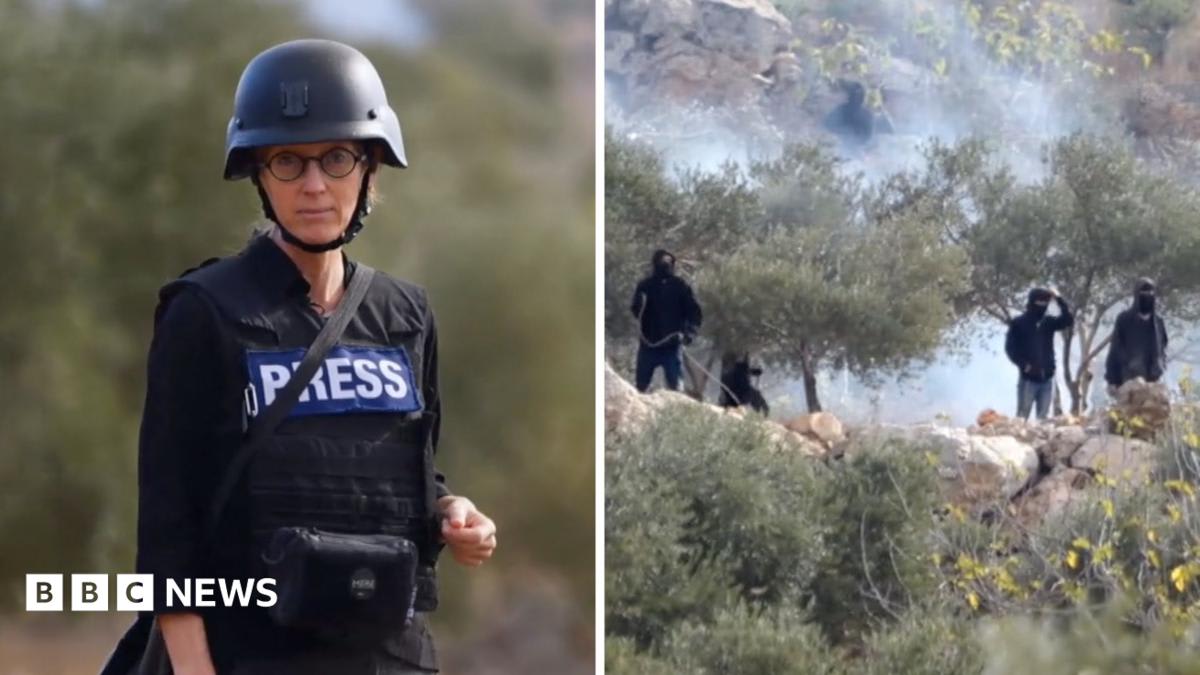
Israeli settlers have launched a series of violent attacks against Palestinians and journalists during the annual West Bank olive harvest. The UN reports that these incidents have reached record levels, with multiple injuries and property destruction documented.
Escalating Violence During the West Bank Olive Harvest
The annual olive harvest, a cornerstone of Palestinian cultural and economic life, has been marred by a severe surge in violence in the occupied West Bank. Reports from media outlets, including the BBC and The Washington Post, confirm that groups of masked settlers have systematically targeted Palestinian farmers, burning olive trees and destroying vehicles. These attacks, which occurred near the village of Abu Falah, represent a significant intensification of regional tensions.
The Anatomy of the Attacks
Witness accounts describe well-coordinated incursions where dozens of settlers, often clad in black, descended upon farming sites to disrupt the harvest. The methodology involves not only the destruction of agricultural assets—such as the torching of trees—but also direct physical violence against civilians. The use of slingshots and physical assaults has left at least 12 Palestinians injured, including four dual Palestinian-American citizens, highlighting the indiscriminate nature of the aggression.
Targeting the Press
Beyond the local farming community, the violence has extended to members of the international press. Heidi Levine, a photojournalist for The Washington Post, was physically assaulted while documenting the events. Her account of being "jumped" and kicked while on assignment underscores the perilous environment for journalists operating in the West Bank. Such attacks on the media serve to obscure the reality of the situation on the ground and intimidate those documenting the conflict.
Broader Context and International Law
These incidents are occurring in the vicinity of unauthorized outposts, which are considered illegal under international law. The persistence of these outposts provides a logistical base for settlers to launch attacks on neighboring Palestinian land. The systematic nature of these disruptions suggests an effort to displace farmers from their ancestral lands, further complicating the already precarious legal and humanitarian status of the occupied territories.
A Record-Breaking Surge in Hostility
According to data from the United Nations, the current harvest season has already surpassed the total number of settler attacks recorded during the entirety of last year. This trend indicates an all-time high in settler violence, signaling a potential shift toward more frequent and aggressive confrontations. This escalation is not merely a series of isolated incidents but reflects a broader pattern of instability that is increasingly difficult to contain.
Future Implications
As these levels of violence continue to rise, the economic impact on Palestinian farmers will be devastating, potentially threatening the livelihoods of families dependent on the harvest. Furthermore, the involvement of foreign citizens and journalists adds a layer of diplomatic complexity, likely drawing increased scrutiny from international bodies. Without intervention or a change in the security situation, the cycle of violence threatens to further destabilize an already volatile region, deepening the divide between the two communities.