Letter sent after GSLV launch: ISRO staff question trajectory of space privatisation, want chief to clarify
Source Entity
Anonna Dutt
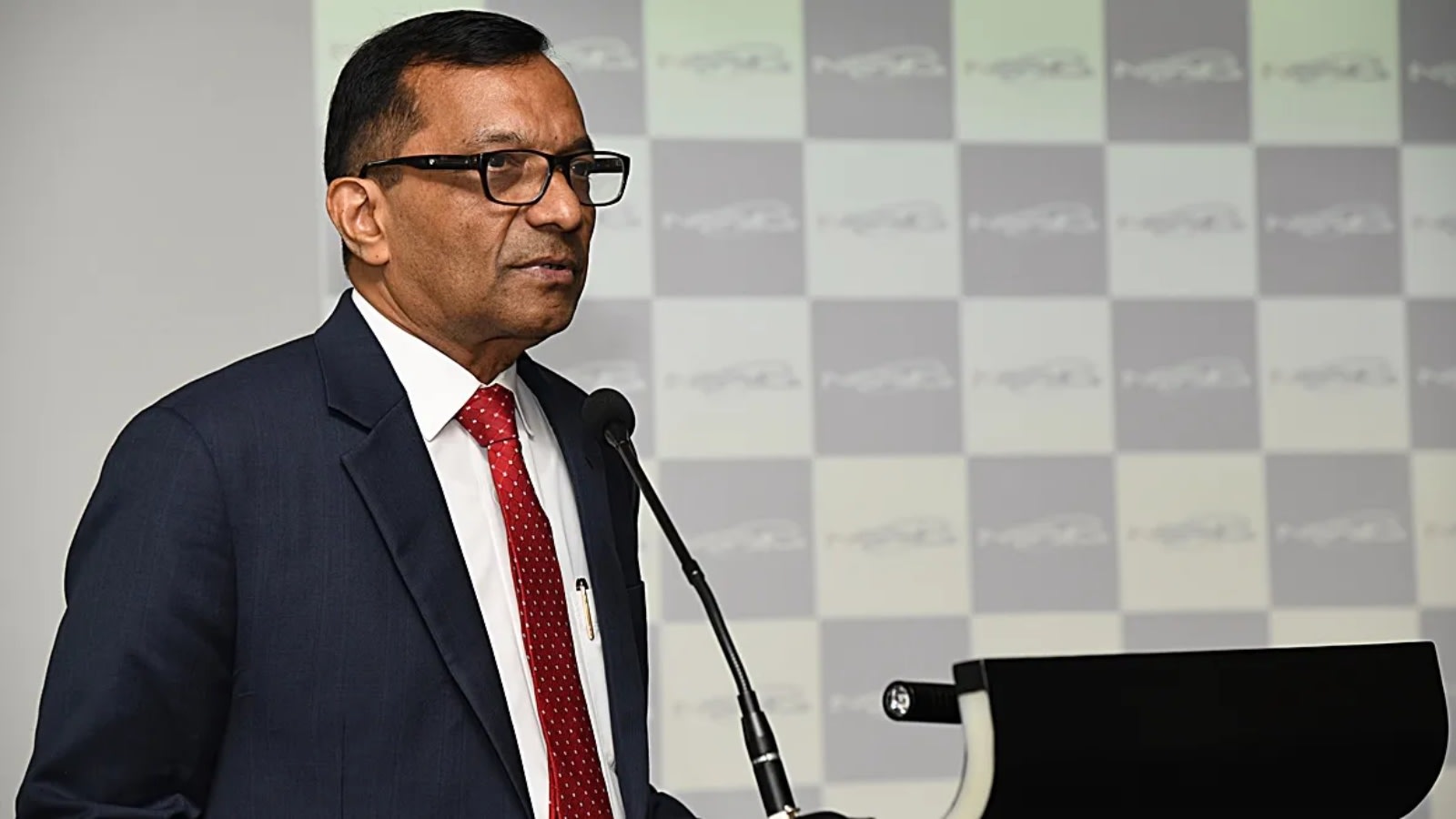
Nine ISRO employee associations have formally requested written clarification from the agency's leadership regarding the trajectory of space sector privatization. They express concerns that shifting manufacturing and operational roles to private entities could diminish ISRO to a mere R&D boutique.
The Crossroads of Indian Space Policy: ISRO Staff Seek Clarity
In a significant development for India's aerospace sector, nine employee associations representing thousands of staff across the Indian Space Research Organisation (ISRO) have formally requested written clarification from the agency's leadership. This move marks the first collective pushback since the government initiated the opening of the space sector to private industry six years ago. The associations, which include the ISRO Staff Association and the SAC Employees Welfare Association, have voiced deep-seated concerns regarding the long-term strategic direction of the space agency.
The Core Conflict: Public Mandate vs. Private Expansion
The primary tension stems from fears that the ongoing privatization drive could fundamentally alter ISRO’s identity. The staff associations argue that while private participation in commercial activities is acceptable, it should not come at the cost of the agency's core functions. They have specifically raised questions regarding the future of the design, development, realization, integration, testing, and launch of major launch vehicles like the PSLV, LVM3, and SSLV. The fear is that these critical operational responsibilities may be stripped from the public agency.
Defining the Future: R&D or Operational Lead?
Central to the debate is the concern that ISRO might be relegated to a "residual R&D boutique." The letter, addressed to ISRO Chairman V. Narayanan, emphasizes that the realization of launch vehicles and the operation of national launch infrastructure should remain under public control. The employees are demanding a defined policy that ensures a strong, publicly owned ISRO can coexist with private players, rather than being gradually hollowed out by the outsourcing of its primary mission capabilities.
Contextualizing the Shift
The timing of this communication is notable, occurring shortly after a successful GSLV launch. This success underscores that ISRO remains a highly capable operational entity, yet the internal discourse suggests that the workforce feels excluded from the decision-making process regarding the agency's evolution. The catalyst for this formal inquiry appears to be recent remarks made by Pawan Goenka, chairperson of the Indian National Space Promotion and Authorization Centre (IN-SPACe), which seemingly signaled a shift in the operational paradigm that many employees find concerning.
Broader Implications and Future Outlook
This development highlights the growing pains of a national institution transitioning into a new era of commercial space competition. As India seeks to capture a larger share of the global space economy, the government must balance the agility provided by private firms with the institutional knowledge and reliability of a state-run agency. The demand for "written clarity" suggests that the workforce is seeking transparency to ensure that the transition does not negatively impact future recruitment or the professional security of existing staff.
Conclusion
The request from these nine associations represents a pivotal moment for Indian space policy. By asking for a formal, written policy framework, the employees are not necessarily rejecting privatization but are asserting that the transformation of ISRO must be a transparent, debated process. As the agency moves forward, the leadership's response to these concerns will likely set the tone for how India manages the complex integration of public expertise and private industry in its quest for space dominance.