Pune’s little-known bee museum: A hive of secrets hidden in Shivajinagar
Source Entity
Dipanita Nath
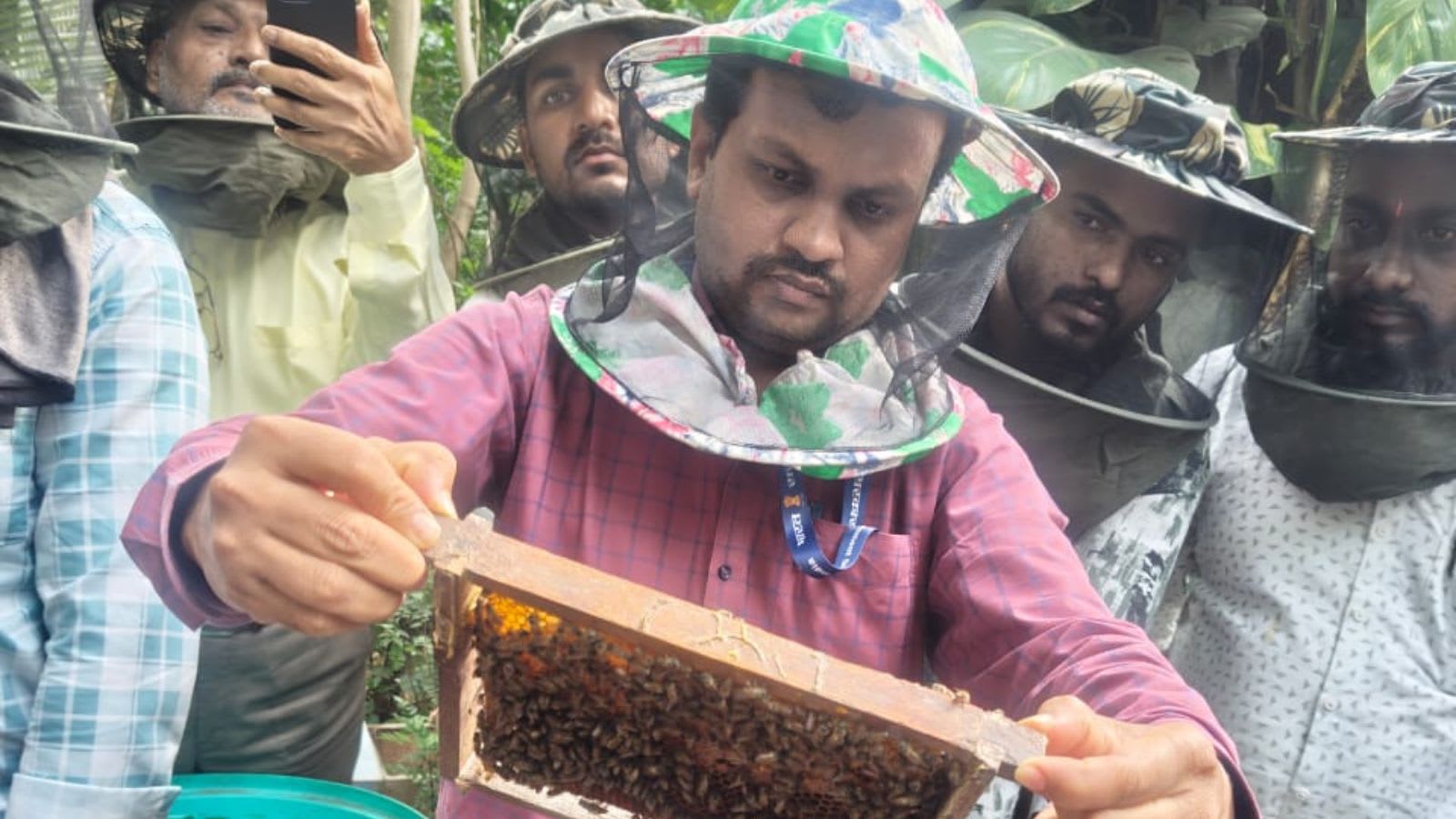
The Central Bee Research and Training Institute in Pune hosts a unique, niche museum dedicated to apiculture. This educational space offers visitors a detailed look into the biological complexities and social structures of honey bees.
Unveiling the Hive: Pune’s Hidden Apicultural Gem
Nestled within the bustling Shivajinagar area of Pune, the Central Bee Research and Training Institute (CBRTI) serves as a quiet sanctuary for one of nature’s most industrious creatures. The institute features a specialized bee museum that, while modest in size, provides a profound educational journey for those interested in the intricacies of insect biology and agricultural science. Since its establishment on November 1, 1962, the facility has functioned as a hub for research, documentation, and public awareness regarding the vital role bees play in our ecosystem.
The Educational Staircase: Learning on the Ascent
The visitor experience at the CBRTI museum is uniquely curated to be immersive from the moment one enters. By utilizing the staircase as a pedagogical tool, the museum presents bite-sized facts that build upon one another. Visitors start with life-cycle basics, such as the lifespan of a queen bee—noting they rarely exceed two years—and move into complex behavioral traits, such as the hive's remarkable ability to detect a missing queen within a mere 15-minute window. This method of delivery transforms a simple transit area into an interactive learning environment.
Biological Marvels of the Honey Bee
As visitors progress toward the museum door, the information becomes increasingly technical. The posters detail the physical anatomy of the honey bee, highlighting their five eyes, six legs, and two pairs of wings. Further, the display explains the architectural genius behind the hexagonal cells they construct, which are noted for being a supreme space-saving evolutionary design. Such details underscore the biological efficiency that allows bees to thrive and maintain their complex social structures.
Foraging and Ecological Impact
One of the most striking facts presented at the museum is the sheer labor involved in a bee's daily life. A single honey bee visits between 50 and 100 flowers during a single foraging trip, a testament to the pollination services these insects provide to the environment. Understanding these numbers is crucial for appreciating the broader ecological necessity of bees, which are essential for the reproduction of many plant species and, by extension, global food security.
A Legacy of Research and Future Prospects
While the museum is contained within a single room and may appear academic to the casual observer, it represents a long-standing commitment to apiculture in India. By preserving these facts and offering a dedicated space for public inquiry, the CBRTI encourages a deeper scientific interest in entomology. As environmental concerns regarding declining pollinator populations grow worldwide, such institutions become increasingly relevant, acting as both a repository of knowledge and a starting point for future conservation efforts.