Fake claims, evasion of Rs 5.3 crore land techie couple in I-T net
Source Entity
SIDHARTHA
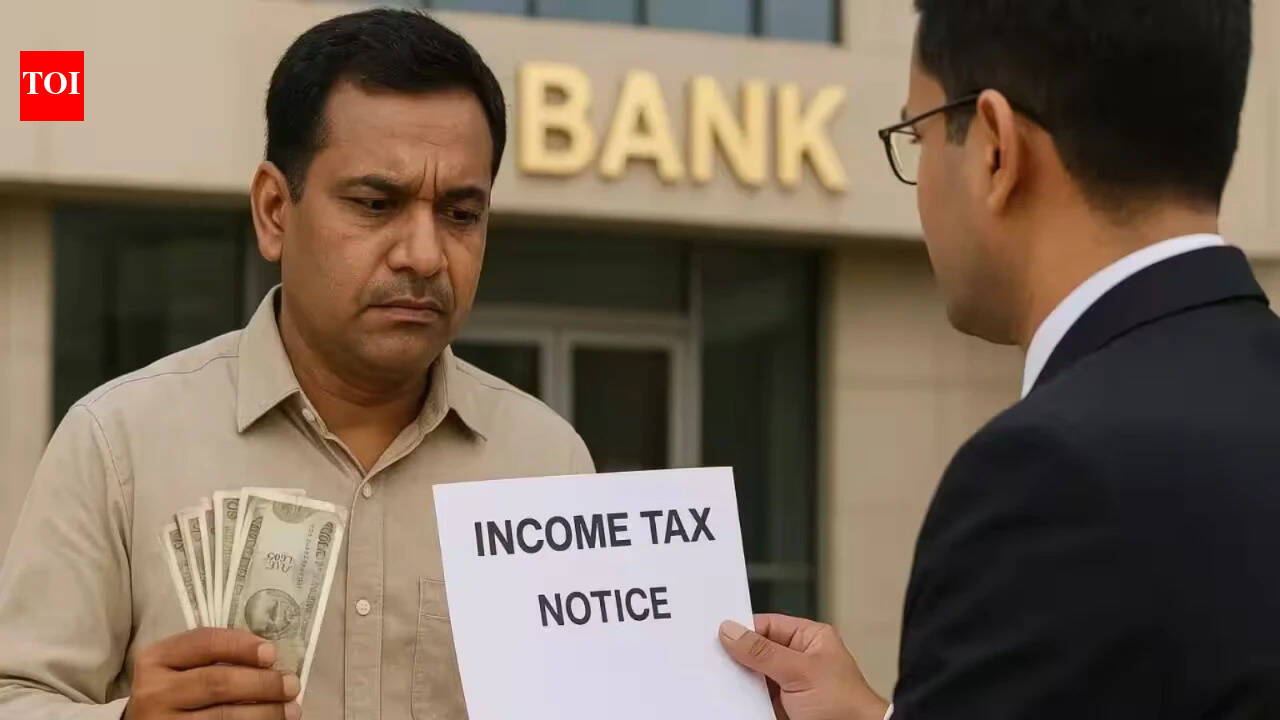
An IT professional and his spouse are under investigation for a Rs 5.3 crore tax evasion scheme involving forged documents. Authorities uncovered fabricated political donations and fraudulent home loan interest claims spanning five years.
Tax Evasion Crackdown: The Rs 5.3 Crore Case
The Anatomy of the Fraud
Recent investigations by Income Tax authorities have brought to light a significant case of financial malfeasance involving an IT professional and his spouse. The couple is accused of orchestrating a systematic tax evasion scheme amounting to Rs 5.3 crore over a five-year period. According to official reports, the strategy relied heavily on the fabrication of documents, including falsified receipts for political donations and fraudulent claims regarding home loan interest payments.
Investigative Methodology and Discovery
This case stands out due to the depth of the deception involved. By utilizing forged paperwork, the couple successfully manipulated their taxable income reports to secure substantial deductions. The Income Tax department’s decision to initiate a rare search operation underscores the severity with which authorities view such deliberate attempts to defraud the public exchequer. The discovery of these discrepancies suggests that the couple likely operated under the assumption that their professional backgrounds would shield them from rigorous financial scrutiny.
The Implications of Fabricated Deductions
In the Indian taxation landscape, deductions for political donations and home loan interest are intended to incentivize specific fiscal behaviors. When these provisions are exploited through forgery, it undermines the integrity of the entire tax filing system. The use of fake receipts not only constitutes tax evasion but also involves the crime of document forgery, which carries significant legal weight. This case serves as a stark reminder that digital footprints and cross-verification processes are becoming increasingly effective at identifying such sophisticated financial crimes.
Broader Regulatory Trends
This incident is indicative of a broader trend where tax authorities are moving toward more aggressive enforcement powered by data analytics. As the Income Tax department integrates more advanced technology into its auditing processes, the ability to detect patterns of inconsistent income reporting and suspicious donation claims has improved significantly. This case reflects a shift toward zero-tolerance for white-collar crimes that involve the systemic falsification of financial records.
Future Outlook and Legal Consequences
As the investigation progresses, the couple faces potential criminal charges beyond mere tax recovery. The precedent set by this action sends a clear signal to other taxpayers: the department is actively scrutinizing high-value deductions and verifying their authenticity. Future tax filings are likely to be subjected to even more stringent checks, and individuals who engage in the practice of inflating expenses to reduce tax liability may find their activities increasingly difficult to conceal in the age of digitized financial oversight.