Two Italians killed in Kuwait drone attack; Trump says Iran war ends ‘whenever I want it’
Source Entity
US Top News and Analysis
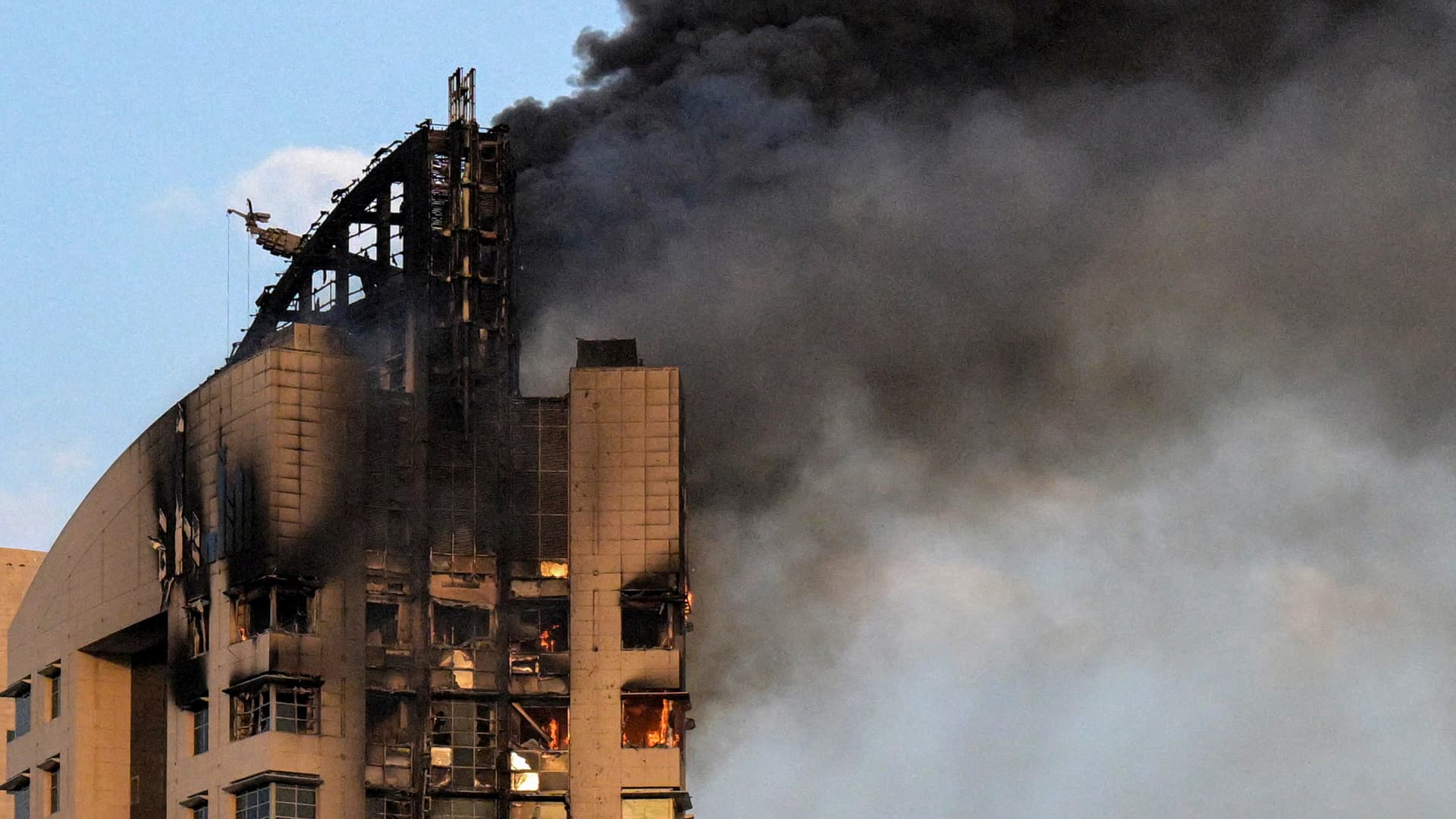
A drone attack in Kuwait has resulted in the deaths of two Italian nationals, with Kuwait and Italy pointing to Iran as the responsible party. Iran has denied involvement while the regional conflict continues to escalate following recent U.S. and Israeli strikes.
The Escalation of Regional Conflict in the Middle East
The security landscape in the Middle East has entered a period of extreme volatility following a deadly drone attack in Kuwait City on March 8, 2026. The incident, which resulted in the tragic death of two Italian nationals due to falling missile debris, marks a significant expansion of the ongoing hostilities between Iran and the coalition of the U.S. and Israel. This event is not an isolated occurrence but rather a direct byproduct of the retaliatory cycle initiated by the U.S.-Israeli strikes on Iran on February 28.
The Geopolitical Fallout
The involvement of Italian citizens introduces a new layer of international complexity to the conflict. By targeting a neutral, sovereign territory like Kuwait, the perpetrators have moved the theater of war beyond the immediate borders of Iran, Israel, and Gaza. This escalation suggests that the conflict is no longer contained within traditional battlegrounds, threatening the stability of nations that have historically maintained a degree of separation from the regional power struggle.
Conflicting Narratives and Denials
While Kuwaiti forces and the Italian government have attributed the fatal strike to Iranian-backed operations, Tehran has vehemently denied responsibility. Iranian Foreign Minister Abbas Araghchi characterized the incident as a "suspicious" event, framing it as a "precooked recipe for war." This rhetoric highlights the intense information warfare accompanying the kinetic conflict, as both sides attempt to shape global perception regarding the origins of the attack.
Broader Regional Instability
The situation is further complicated by concurrent violence across the region, including Israeli strikes in Gaza that claimed 10 lives and reports of maritime threats near Dubai. The involvement of Iran-backed Houthi rebels in attacks on Saudi oil infrastructure underscores the multi-front nature of this crisis. These developments have caused significant disruptions to global energy and transport sectors, signaling that the economic consequences of this war are being felt far beyond the Middle East.
Future Implications and Global Energy Security
Looking forward, the targeting of critical energy infrastructure and the spillover into previously stable regions pose a grave threat to global supply chains. As global powers continue to be drawn into the fray, the risk of a broader, uncontrolled conflict increases. The assertion by U.S. leadership that the war ends "whenever I want it" reflects the high-stakes power dynamics at play, though the reality on the ground suggests that the situation remains perilously unpredictable. The international community now faces the daunting task of de-escalating a conflict that shows little sign of stabilization.
Multiple Citing Sources