Watch: Moment €9m worth of art stolen from Italy museum
Source Entity
BBC News
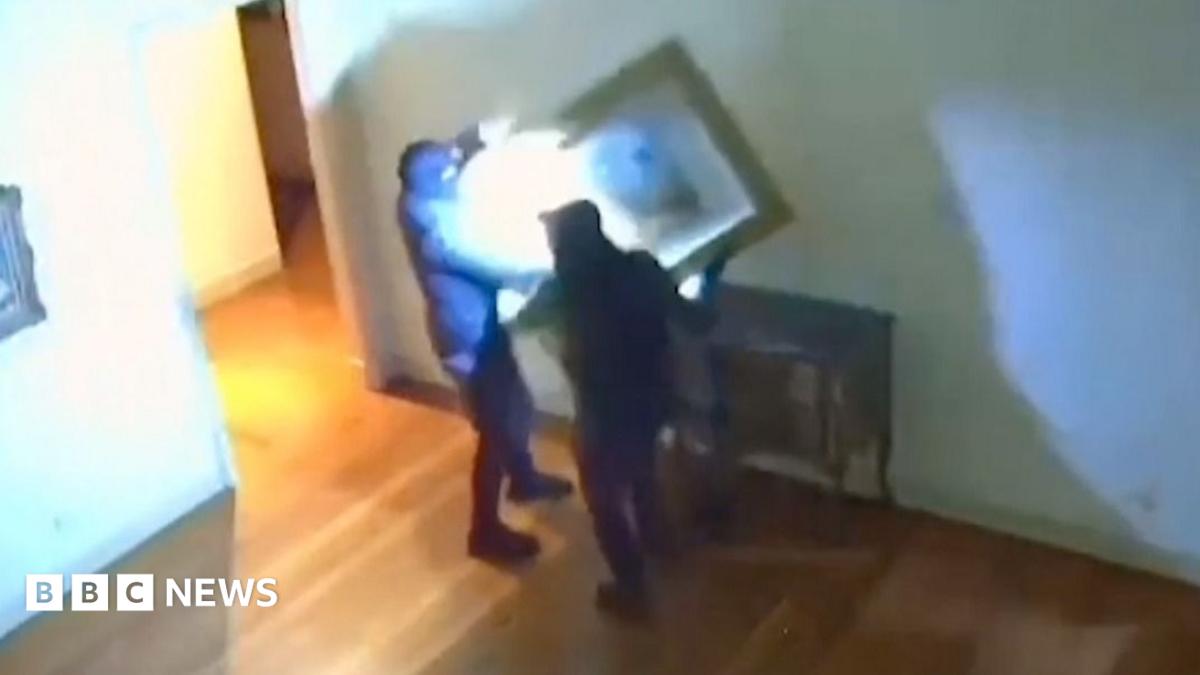
Italian police have recovered three stolen paintings by Cézanne, Renoir, and Matisse valued at €9m. Authorities released CCTV footage of the March heist at the Magnani Rocca Museum as the investigation continues.
The Recovery of Stolen Masterpieces in Italy
A Significant Cultural Recovery
In a major development for the international art community, Italian authorities have successfully recovered three high-value paintings stolen earlier this year. The works, attributed to legendary masters Cézanne, Renoir, and Matisse, were retrieved during police searches following a high-profile heist that occurred on the night of 22 March. With a combined estimated valuation of €9 million, this recovery marks a pivotal victory against the illicit trade of fine art, which often sees cultural treasures vanish into private black markets for decades.
Analyzing the Heist at Magnani Rocca
The theft took place at the Magnani Rocca Museum, located near the city of Parma. By releasing CCTV footage, authorities have provided the public with a rare, transparent look at the mechanics of the crime. The footage reveals two masked perpetrators breaching the museum’s security, highlighting the vulnerabilities often faced by cultural institutions. This specific incident is regarded as one of the most significant art thefts in Italy in recent years, drawing attention to the persistent security challenges faced by regional museums housing priceless historical artifacts.
The Mechanics of the Investigation
While the police have confirmed the recovery of the masterpieces, details regarding the specific circumstances of the discovery—and whether any arrests have been made—remain scarce. The official statement indicates that the investigation is ongoing, suggesting that law enforcement is working to dismantle the network responsible for the theft. The recovery process in art crime is notoriously difficult, as thieves often target works that are difficult to sell on the open market, forcing investigators to focus on tracking the movement of illicit goods through underground channels.
Broader Implications for Museum Security
This event underscores the broader, systemic risks to cultural heritage sites across Europe. Museums, particularly those outside major metropolitan hubs, often struggle to balance accessibility with the rigorous security protocols required to protect multi-million euro inventories. The theft of works by artists as prominent as Cézanne, Renoir, and Matisse serves as a stark reminder of the global demand for stolen art and the necessity for enhanced surveillance and alarm integration in heritage preservation.
Future Trends in Art Crime Prevention
Looking forward, this recovery may prompt a re-evaluation of security standards for Italian museums. As criminals utilize increasingly sophisticated methods to bypass traditional alarms, the adoption of advanced biometric security, AI-monitored surveillance, and real-time inventory tracking will likely become the industry standard. The successful retrieval of these paintings provides a blueprint for future cooperation between law enforcement agencies and cultural authorities in tracking and securing stolen national assets.
Conclusion
The recovery of the €9m collection is a testament to the persistence of Italian law enforcement. While the investigation continues, the return of these works to the Magnani Rocca Museum ensures that these cultural assets will remain accessible to the public rather than being lost to private criminal interests. Moving forward, the focus will shift to preventing future incursions and ensuring the long-term safety of Italy’s vast and irreplaceable artistic legacy.