US Lost 45 MQ-9 Reaper Drones In Iran War, 25% Of Its Military Fleet
Source Entity
NDTV News Search Records Found 1000
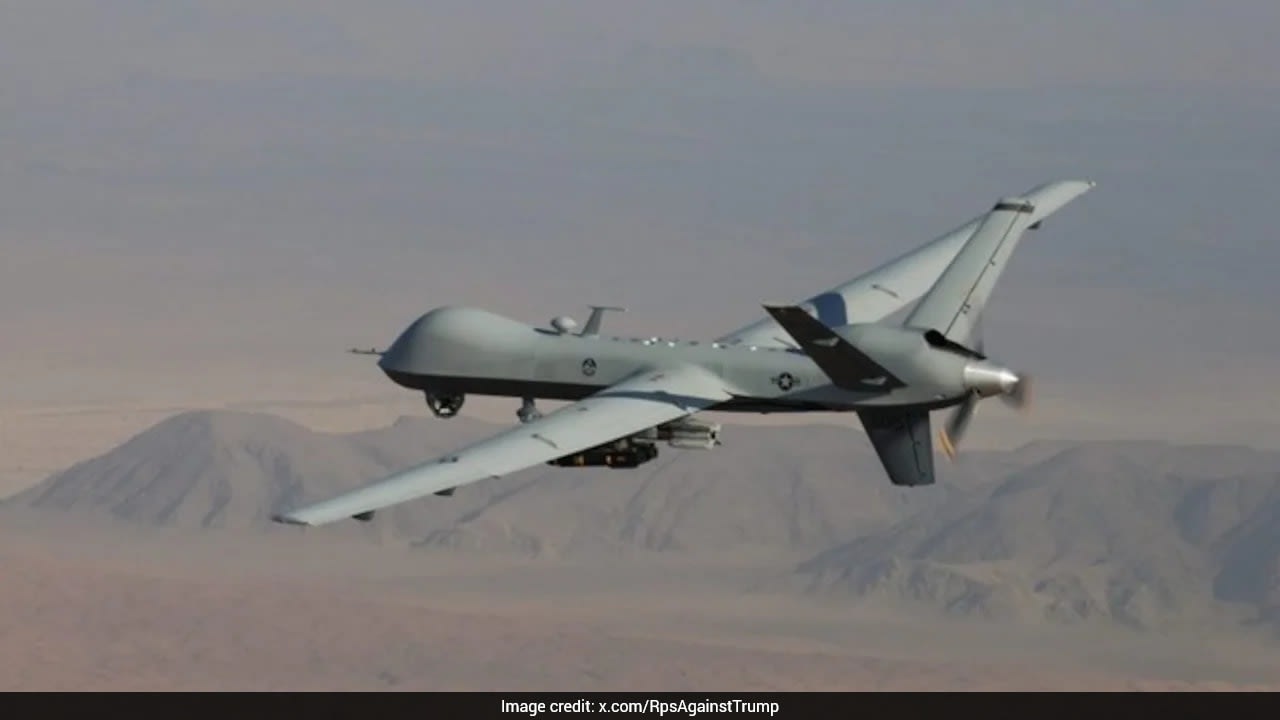
The US military has reportedly lost 45 MQ-9 Reaper drones during tensions with Iran, accounting for 25% of its fleet. These losses represent a significant financial impact exceeding $1.3 billion and highlight vulnerability in the Strait of Hormuz.
The Strategic Impact of MQ-9 Reaper Losses in the Middle East
A Significant Depletion of Aerial Assets
Recent reports indicate that the United States military has sustained the loss of 45 MQ-9 Reaper drones amidst ongoing tensions with Iran. This figure is particularly alarming as it represents approximately 25% of the total US Reaper fleet. Since their induction in 2007, these drones have served as a cornerstone of American aerial surveillance and precision strike capabilities. The loss of nearly a quarter of this fleet signifies a major shift in the operational readiness of US forces in the region.
Financial and Tactical Implications
Beyond the strategic setback, the financial repercussions are substantial. With each MQ-9 unit costing between $30 million and $50 million depending on its specific configuration of sensors and weaponry, these losses amount to more than $1.3 billion in equipment costs. This depletion of capital assets not only strains the defense budget but also raises questions regarding the cost-effectiveness of deploying high-value, uncrewed platforms in contested environments where air defense capabilities are evolving.
The Vulnerability of the Strait of Hormuz
These losses have been concentrated primarily around the Strait of Hormuz, a critical maritime chokepoint and a major flashpoint in global energy security. The frequent deployment of Reaper drones in this high-risk zone has exposed their susceptibility to modern electronic warfare and anti-access/area-denial (A2/AD) capabilities. The consistent engagement in this theater demonstrates that even sophisticated surveillance assets are not impervious to the defensive measures currently employed by regional adversaries.
Long-Term Readiness Concerns
Compounding the issue of drone losses is the broader concern regarding the replenishment of military hardware. Reports suggest that replacing critical systems, such as the THAAD missile defense components, could take decades. When coupled with the loss of 45 Reaper drones, the US faces a logistical challenge in maintaining its force posture. The inability to rapidly replace these systems could lead to a degradation of regional deterrence and a shift in the balance of power.
Future Trends and Defense Doctrine
Looking ahead, these events are likely to prompt a re-evaluation of US drone doctrine. The reliance on large, expensive, and relatively slow-moving platforms like the Reaper may give way to a strategy incorporating more attritable, lower-cost autonomous systems. As adversaries continue to innovate in their ability to target unmanned aerial vehicles, the US military must adapt its procurement and deployment strategies to prioritize resilience and survivability over sheer platform sophistication.
Conclusion
The loss of 45 MQ-9 Reaper drones serves as a stark reminder of the complexities inherent in modern asymmetrical warfare. With over $1.3 billion in assets neutralized, the Pentagon faces a critical juncture in how it manages its aerial fleet. Ensuring the security of the Strait of Hormuz while mitigating the risk of further high-value equipment losses will remain a primary challenge for US military planners in the coming years.
Multiple Citing Sources
Verification Required?