Rescuers search for survivors of powerful Indonesia earthquake
Source Entity
BBC News
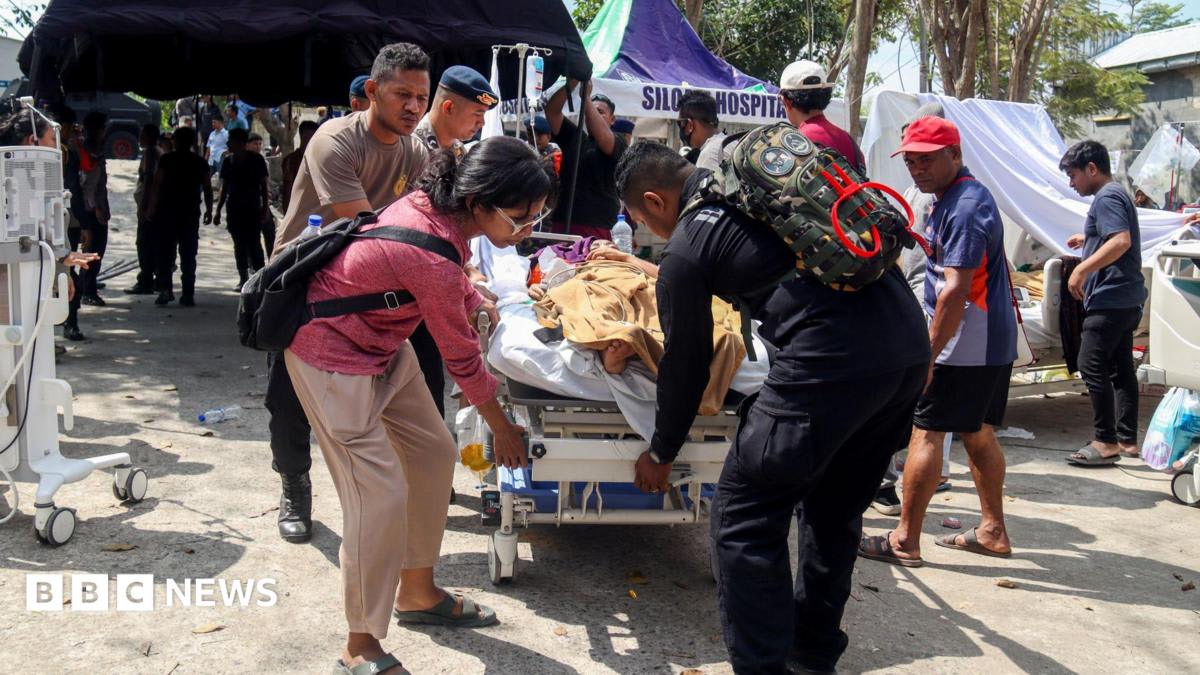
A 7.7 magnitude earthquake struck off the coast of Indonesia's Flores region, resulting in two confirmed deaths. While a tsunami warning was initially issued for East Nusa Tenggara, it has since been lifted as disaster management agencies continue to assess the remote area.
Earthquake Strikes Indonesia's Flores Region
A powerful 7.7 magnitude earthquake struck off the coast of Indonesia's Flores region early Saturday morning, triggering immediate concerns regarding life and infrastructure. The seismic event, which occurred at a shallow depth of approximately 10 to 15km, caused significant alarm across the East Nusa Tenggara province. Initial reports from the National Disaster Management Agency (BNPB) have confirmed the tragic loss of two lives—a man and a woman—as emergency teams scramble to reach impacted communities.
Seismic Context and Tsunami Response
The earthquake, which hit shortly before 05:00 local time, was significant enough to prompt authorities to issue an immediate tsunami warning for the surrounding coastal areas. This is a standard but critical protocol in Indonesia, a nation located along the 'Ring of Fire,' where tectonic plate movements frequently lead to high-magnitude seismic activity. While the warning was later lifted, the initial threat highlights the constant vulnerability of the Indonesian archipelago to submarine earthquakes.
Challenges in Disaster Assessment
The Flores region is characterized by its remote and mountainous terrain, which presents severe logistical challenges for search and rescue operations. The BNPB has indicated that the verification of victim data and the assessment of structural integrity remain ongoing. Because the epicenter was located offshore, the impact on coastal infrastructure is the primary focus of field teams currently navigating the rugged landscape to reach affected villages.
Aftershocks and Secondary Risks
Following the primary 7.7 magnitude event, the area experienced two strong aftershocks measuring 5.6 and 5.9 in magnitude. Aftershocks are common following major seismic events and serve to complicate recovery efforts by further destabilizing structures that may have been weakened by the main quake. These secondary tremors require disaster management agencies to remain in a state of high alert to protect both survivors and rescue personnel.
Broader Implications and Future Outlook
As this remains a developing situation, the focus is currently on humanitarian relief and data collection. The discrepancy in initial magnitude readings—with the USGS and EMSC providing slightly different figures—is common in the immediate aftermath of such events as data is refined. Moving forward, the Indonesian government will need to prioritize the restoration of communication lines and the provision of emergency aid to isolated communities. The event serves as a stark reminder of the persistent need for robust disaster preparedness and resilient infrastructure in East Nusa Tenggara.