Is Trump losing the Gulf? Why Saudi Arabia and US allies are rethinking Washington
Source Entity
The Indian Express
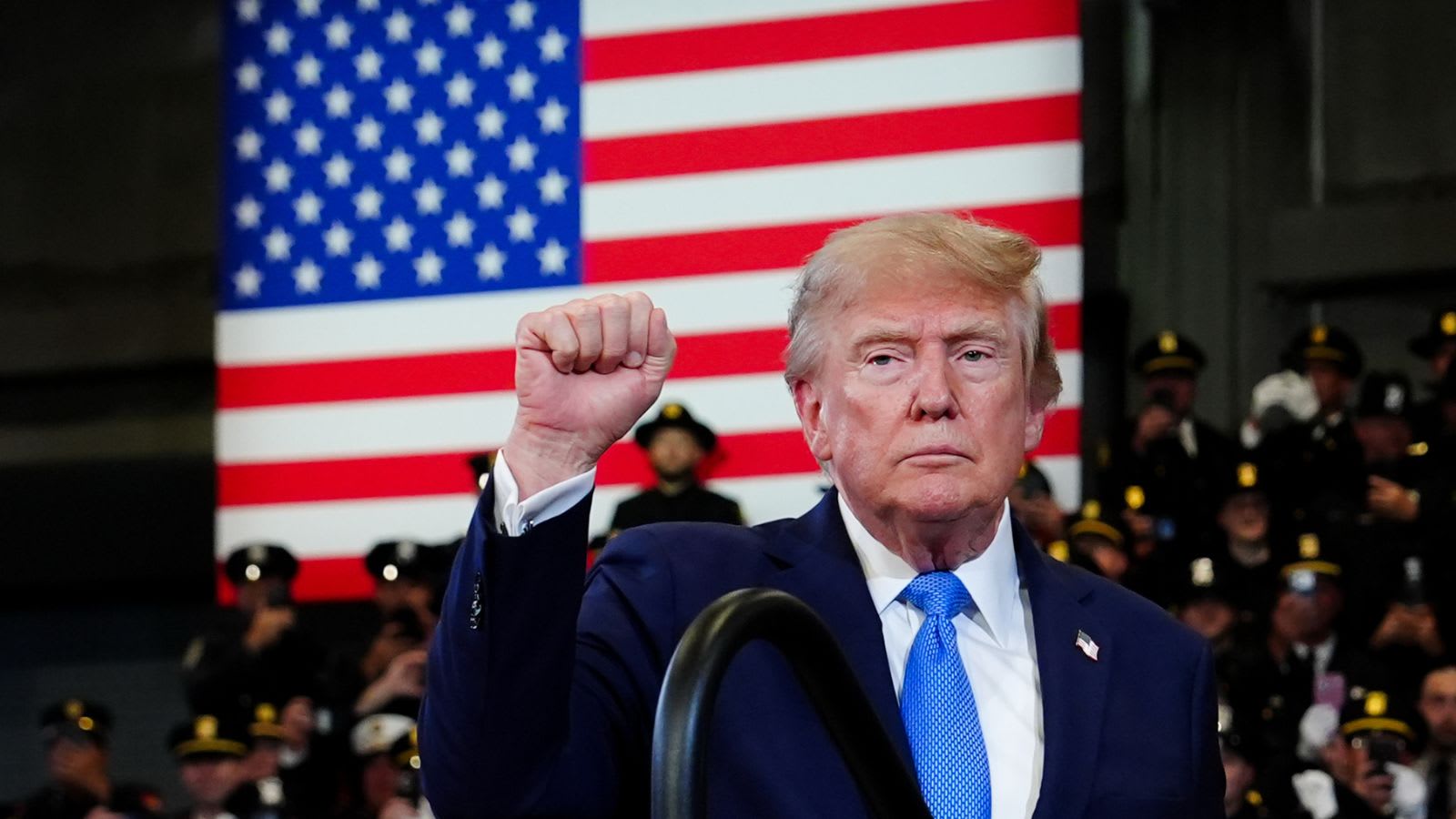
Gulf nations are expressing growing frustration with the US administration's inability to end the five-month conflict with Iran. This dissatisfaction has led regional allies to reconsider the strategic value of hosting major American military bases.
The Shifting Geopolitical Landscape in the Gulf
As the conflict between the United States and Iran enters its sixth month, the regional security architecture of West Asia is undergoing a period of profound uncertainty. The ongoing hostilities have transcended immediate concerns regarding oil market volatility and energy supply chain disruptions, evolving into a fundamental crisis of confidence between Washington and its traditional partners in the Gulf Cooperation Council (GCC). The inability of the current US administration to facilitate a de-escalation or a viable diplomatic resolution has left regional powers questioning the long-term reliability of their security partnerships.
The Crisis of Diplomatic Consistency
Central to this growing rift is the perceived inconsistency in the rhetoric emanating from the White House. President Donald Trump’s conflicting statements regarding a potential peace agreement with Tehran have created a climate of diplomatic instability. For nations like Saudi Arabia, the UAE, Qatar, Kuwait, and Bahrain, these mixed signals are not merely political noise; they represent a significant strategic liability. The regional perception is that the lack of a coherent and sustained diplomatic strategy is prolonging a conflict that directly threatens their national security and economic stability.
Re-evaluating the American Security Umbrella
Perhaps the most significant development is the reported questioning of the utility of hosting major US military bases. For decades, the presence of American forces has been the bedrock of the regional security order, acting as a deterrent against Iranian influence. However, the current frustration has prompted these five nations to re-examine the cost-benefit analysis of this arrangement. The sentiment is that while these bases provide a degree of protection, they also serve as potential lightning rods for retaliatory strikes, with the host nations currently bearing the brunt of the instability without seeing a clear path toward regional peace.
Economic and Strategic Consequences
Beyond the military calculus, the economic impact of the five-month war has been severe. The Gulf nations are acutely aware that their proximity to the conflict makes them vulnerable to both kinetic attacks and the economic fallout of prolonged regional instability. The frustration highlighted by reports in The Washington Post suggests that these nations are no longer content to act as passive hosts for US military assets while Washington struggles to manage the diplomatic complexities of the Iranian nuclear and regional expansionist portfolio.
Future Trends in Middle Eastern Diplomacy
Looking ahead, this cooling of relations signals a potential shift toward a more multi-aligned foreign policy for Gulf states. If the US cannot provide the diplomatic leadership required to resolve the standoff with Iran, these nations may increasingly seek to diversify their security dependencies or pursue independent, pragmatic back-channel diplomacy with Tehran. The days of unwavering reliance on Washington’s security guarantees appear to be under scrutiny, as regional leaders prioritize their own survival and stability over the fluctuating policy directives of the US administration. The outcome of this diplomatic impasse will likely redefine the balance of power in West Asia for the coming decade.