Bitchat Removed From Apple's India App Store After Centre's Order
Source Entity
NDTV News Search Records Found 1000
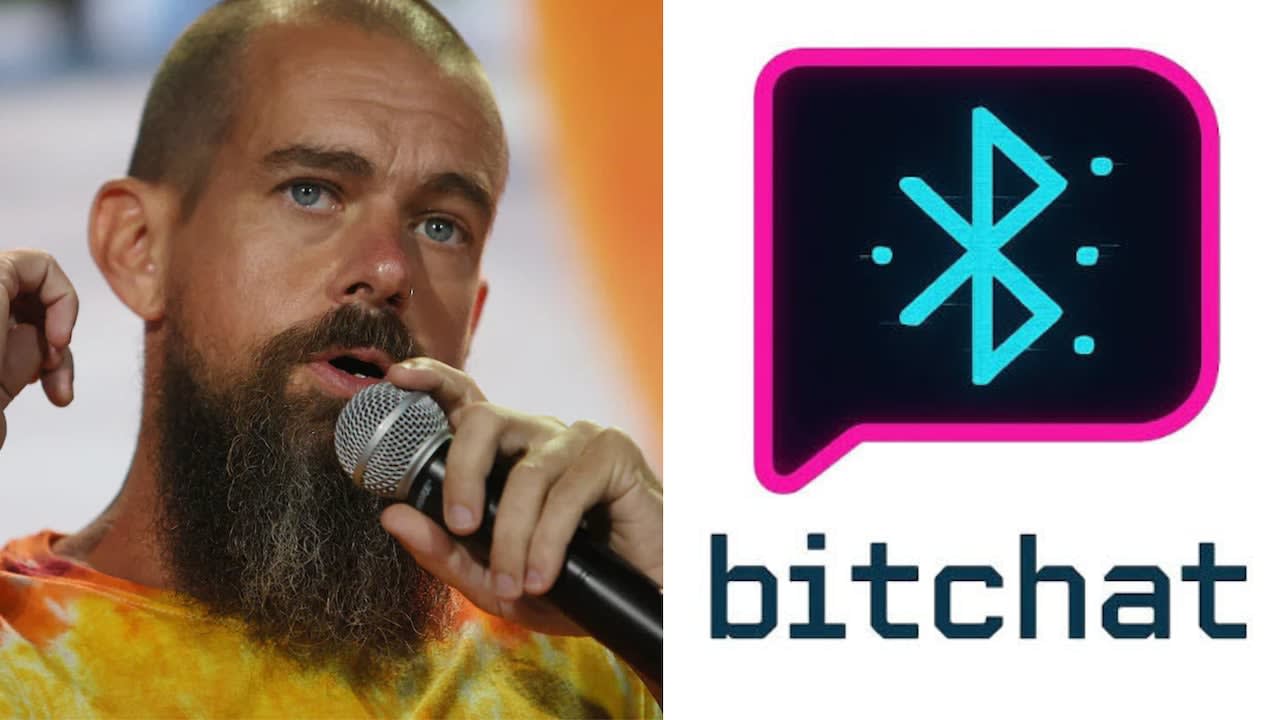
Jack Dorsey’s decentralized messaging app, Bitchat, has been removed from Apple’s India App Store following a government directive under Section 69A of the IT Act. The app, which utilizes mesh networking for offline communication, was flagged by authorities for allegedly hosting illegal content.
The Regulatory Crackdown on Bitchat in India
A Conflict Over Decentralized Communication
The recent removal of Bitchat from Apple’s App Store in India marks a significant escalation in the ongoing tension between global tech innovators and national regulatory frameworks. Bitchat, a decentralized messaging platform backed by Twitter co-founder Jack Dorsey, is uniquely engineered to function without a traditional internet connection by utilizing Bluetooth-based mesh networking. This feature, while technologically innovative for disaster relief or remote communication, has placed the app in the crosshairs of the Indian government.
Invoking Section 69A
The Indian Ministry of Electronics and Information Technology (MeitY) exercised its authority under Section 69A of the Information Technology Act, 2000, to enforce this removal. This legal provision serves as the primary instrument for the government to mandate the blocking of online content deemed harmful to the sovereignty, integrity, or public order of the nation. By citing the presence of 'illegal content,' the government has signaled that the decentralized nature of Bitchat does not exempt it from adhering to local digital compliance standards.
Historical Scrutiny and Recurrence
This is not the first time Bitchat has faced regulatory hurdles in India. The app had previously come under government scrutiny in July, leading to a temporary removal before its subsequent return. The fact that the application has been pulled once again indicates that the underlying concerns—likely revolving around the government's inability to moderate or surveil encrypted, offline peer-to-peer communications—remain unresolved and are viewed by authorities as a persistent challenge to digital governance.
The Role of Global Platforms as Intermediaries
The role of Apple in this scenario highlights the precarious position of platform holders in the modern digital landscape. Apple’s compliance with the government directive illustrates the firm reality that tech giants must adhere to local legal mandates to maintain market access. By removing the app from the Indian store while keeping it available elsewhere, Apple is attempting to balance international software distribution with strict regional legal requirements.
Broader Implications for Decentralized Tech
The removal of Bitchat carries significant implications for the future of decentralized and mesh-networking technologies in highly regulated markets. As governments worldwide increasingly seek to exert control over digital spaces, developers of decentralized tools face a difficult path toward mass adoption. This event suggests that in regions with stringent internet regulations, the 'un-censorable' nature of decentralized apps may lead to outright bans rather than regulatory integration.
Conclusion: A Testing Ground for Digital Policy
Ultimately, the Bitchat episode serves as a case study for the collision between decentralized architecture and state-mandated content control. Whether other decentralized platforms will face similar restrictions remains to be seen, but the Indian government's decisive action against a prominent figure like Jack Dorsey underscores a firm stance on digital sovereignty. For Indian users, the loss of Bitchat represents a narrowing of available communication tools, reflecting a broader trend of tightening digital borders.
Verification Required?