Scottish Sikh gets bail in 7 NIA cases after 8 years behind bars
Source Entity
ABHINAV GARG, NAOMI CANTON, NEEL KAMAL
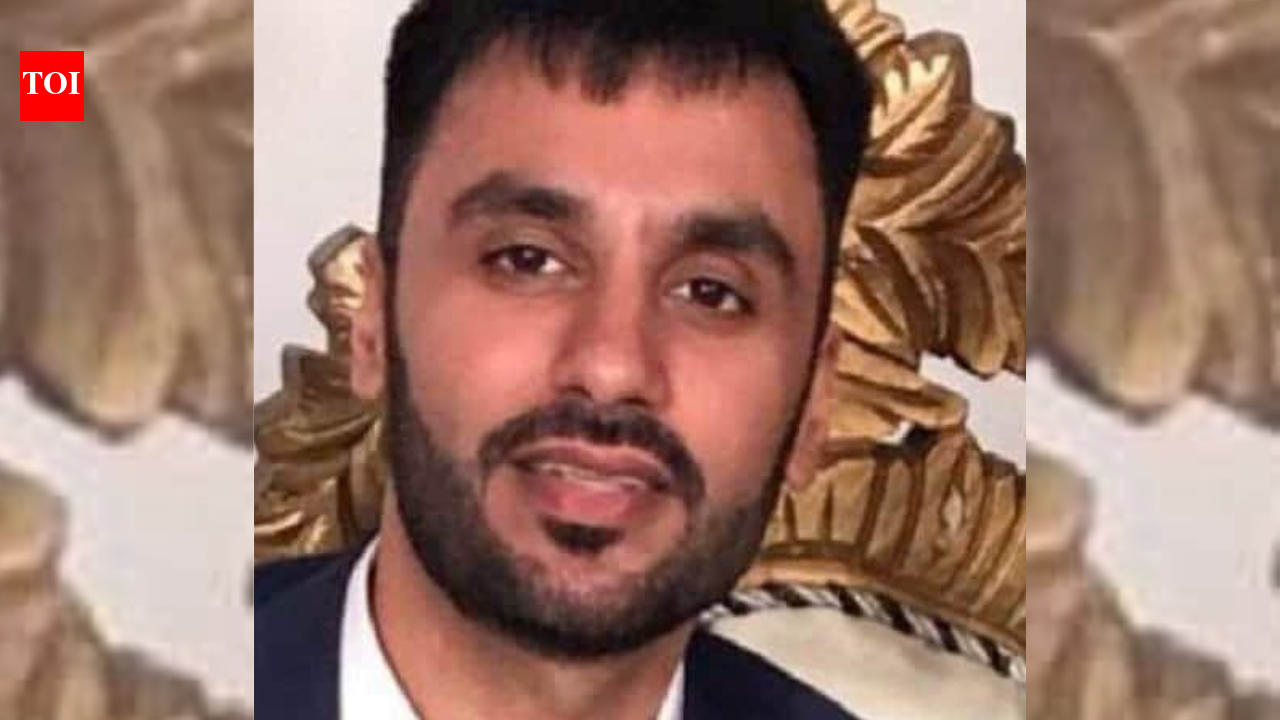
The Delhi High Court has granted bail to British citizen Jagtar Singh Johal after eight years of detention in connection with NIA terror cases. The court cited the significant duration of his incarceration and the unlikely prospect of a swift trial conclusion.
Legal Breakthrough: Jagtar Singh Johal Granted Bail After Eight Years
In a significant legal development, the Delhi High Court has granted bail to British citizen Jagtar Singh Johal, who has spent over eight years in custody regarding multiple cases investigated by the National Investigation Agency (NIA). A Division Bench comprising Justice Navin Chawla and Justice Ravinder Dudeja issued the order, effectively setting aside previous trial court rulings that had denied his release. This decision marks a pivotal moment in a protracted legal battle that has spanned nearly a decade.
Context of the Allegations
Jagtar Singh Johal, a Sikh activist from Dumbarton, Scotland, was arrested in India in 2017. The charges brought against him by Indian authorities are severe, centering on allegations of his involvement in a series of targeted killings of religious and political figures. Furthermore, he was accused of conspiracy linked to the Khalistan Liberation Force (KLF), a group involved in violent activities within the Punjab region. Throughout his detention, Johal has maintained his innocence, while his case has remained a focal point for international human rights advocacy.
Judicial Rationale for Release
The primary impetus behind the High Court’s decision was the duration of Johal’s imprisonment. The bench explicitly noted that he had remained in custody for more than eight years without a conviction and that the judicial process showed no signs of concluding in the near future. This observation underscores the judiciary's increasing concern regarding the constitutional right to a speedy trial, particularly in cases involving long-term pre-trial detention where the evidentiary threshold for a verdict has not yet been met.
Conditions of Bail and Compliance
While the court granted bail, it imposed stringent conditions to ensure the integrity of the ongoing legal proceedings. Johal is required to execute a personal bond of ₹5 lakh and provide two sureties of an equivalent amount. Additionally, he must surrender his passport, adhere to strict limitations regarding communication and social media usage, and report to authorities on a fortnightly basis. These conditions reflect the court's effort to balance the defendant's right to liberty with the state's interest in maintaining security during the pendency of the trials.
Broader Implications and Future Outlook
The acquittal of Johal in a previous case related to the financial support of the KLF had already signaled a shift in the trajectory of the litigation. The current bail order serves as a major relief for his family in Scotland, who have campaigned tirelessly for his release. As the legal process continues, this case remains a notable intersection of international diplomatic relations, national security concerns, and the fundamental judicial principle that prolonged incarceration without trial warrants intense scrutiny. The future of these cases will now hinge on the prosecution's ability to move forward under the strict monitoring of the High Court.
Multiple Citing Sources